Plantar Fasciitis
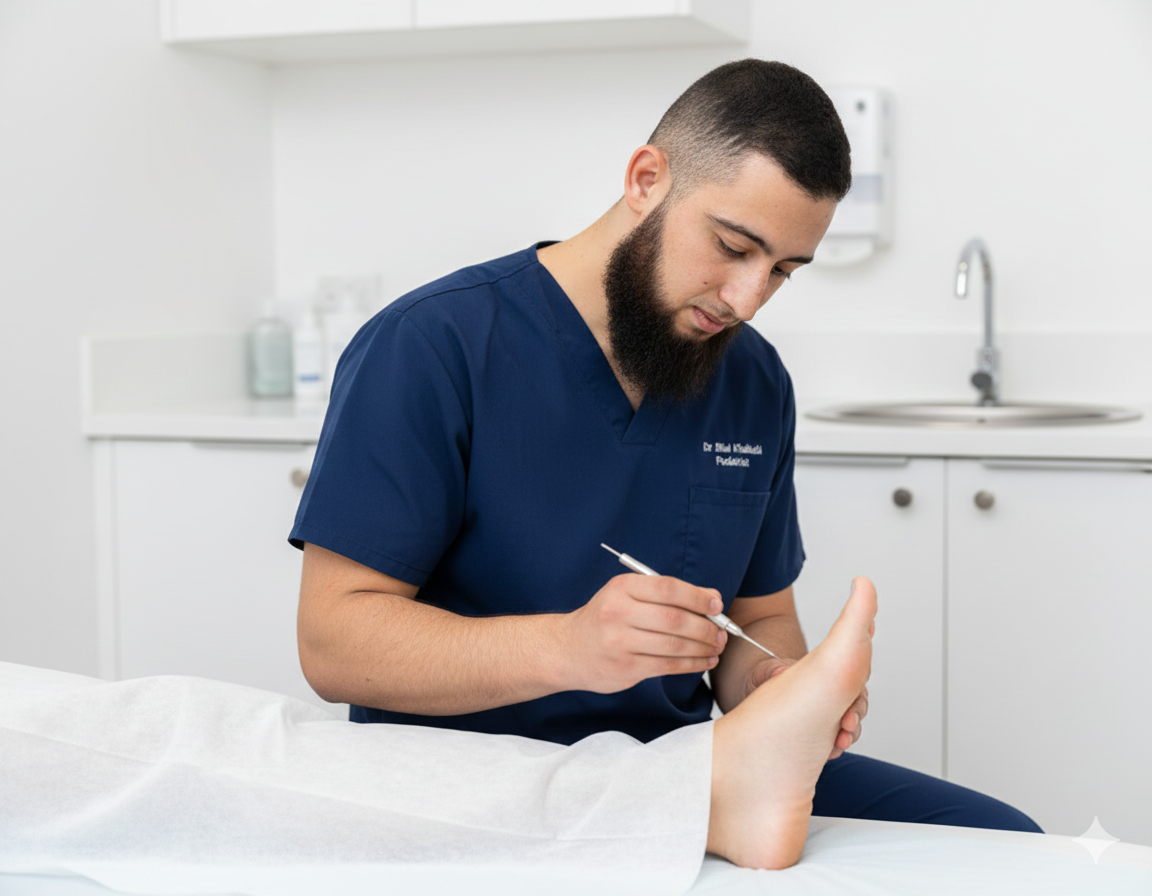
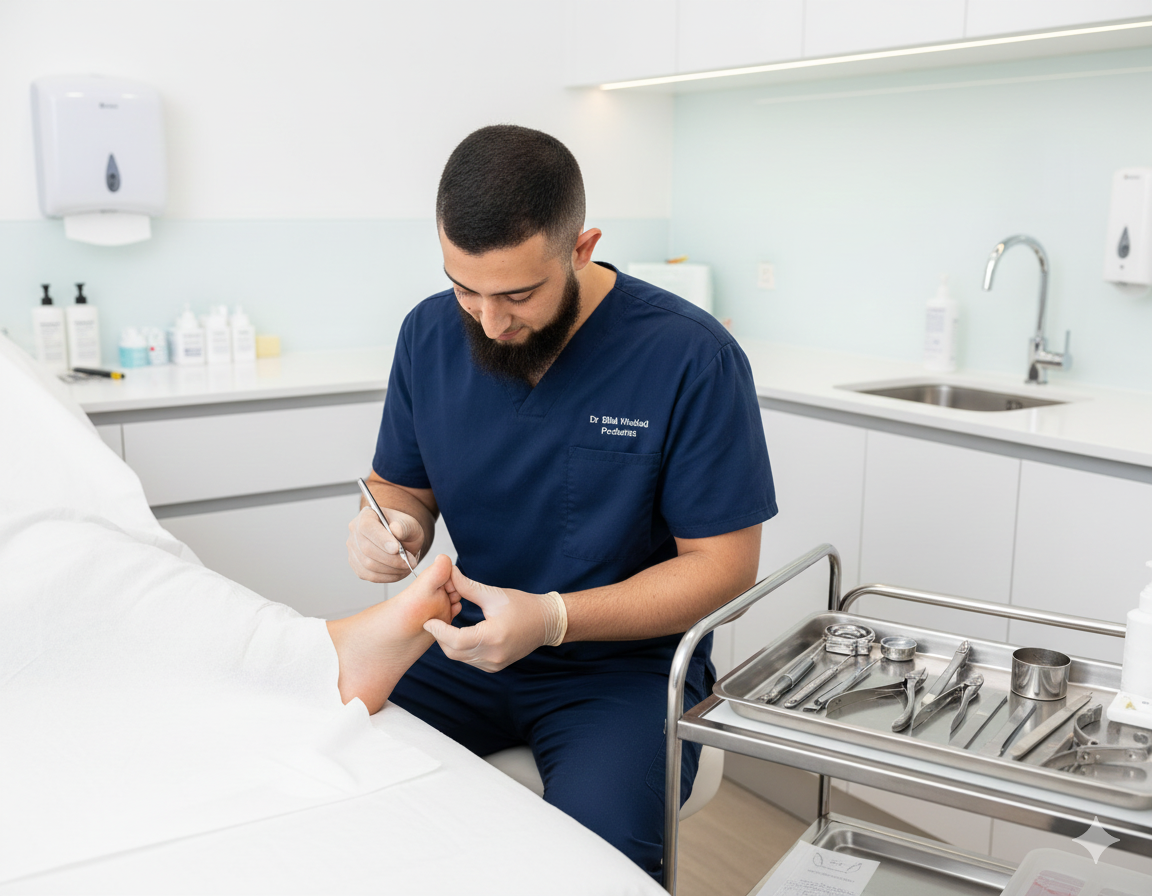
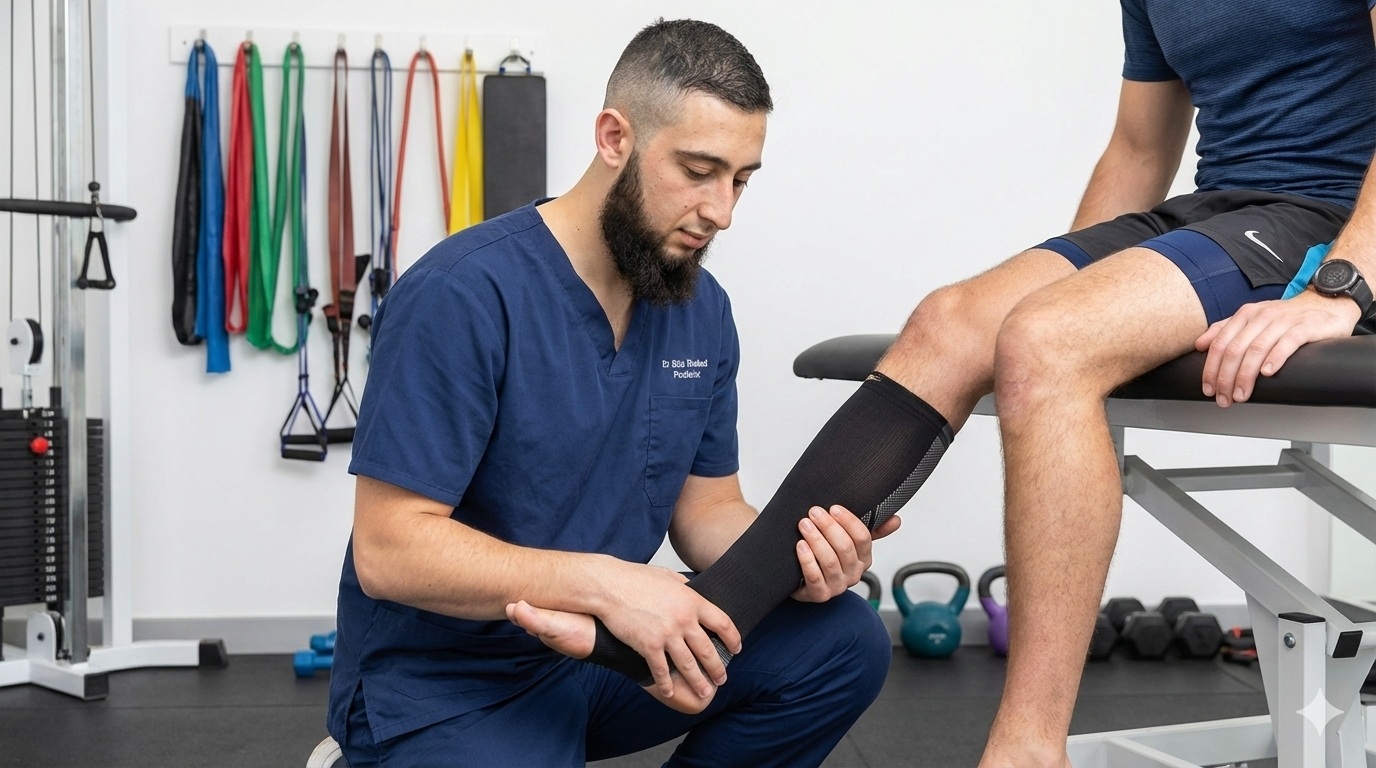
Plantar fasciitis refers to discomfort around the heel or arch that may relate to the plantar fascia. People experiencing symptoms often notice pain with first steps in the morning or after rest. This page provides general information about plantar fasciitis and outlines podiatry management options such as stretching programs, strengthening exercises, footwear changes and orthotic therapy.
What is plantar fasciitis?
Plantar fasciitis describes discomfort around the heel or arch that may relate to the plantar fascia — a band of tissue that helps support the foot during walking. Changes in load, footwear or activity may contribute to symptoms.
People who spend long periods standing, walking or running, or who have recently changed their activity levels, may notice heel discomfort. Some individuals with plantar heel pain, Sever’s disease or Achilles tendon concerns experience similar symptoms.
Common symptoms
Symptoms vary between individuals. Commonly reported features include:
- Pain with first steps in the morning
- Discomfort after rest
- Tenderness under the heel or arch
- Tightness in the calf or arch
- Increased discomfort barefoot or on hard surfaces
Assessment and contributing factors
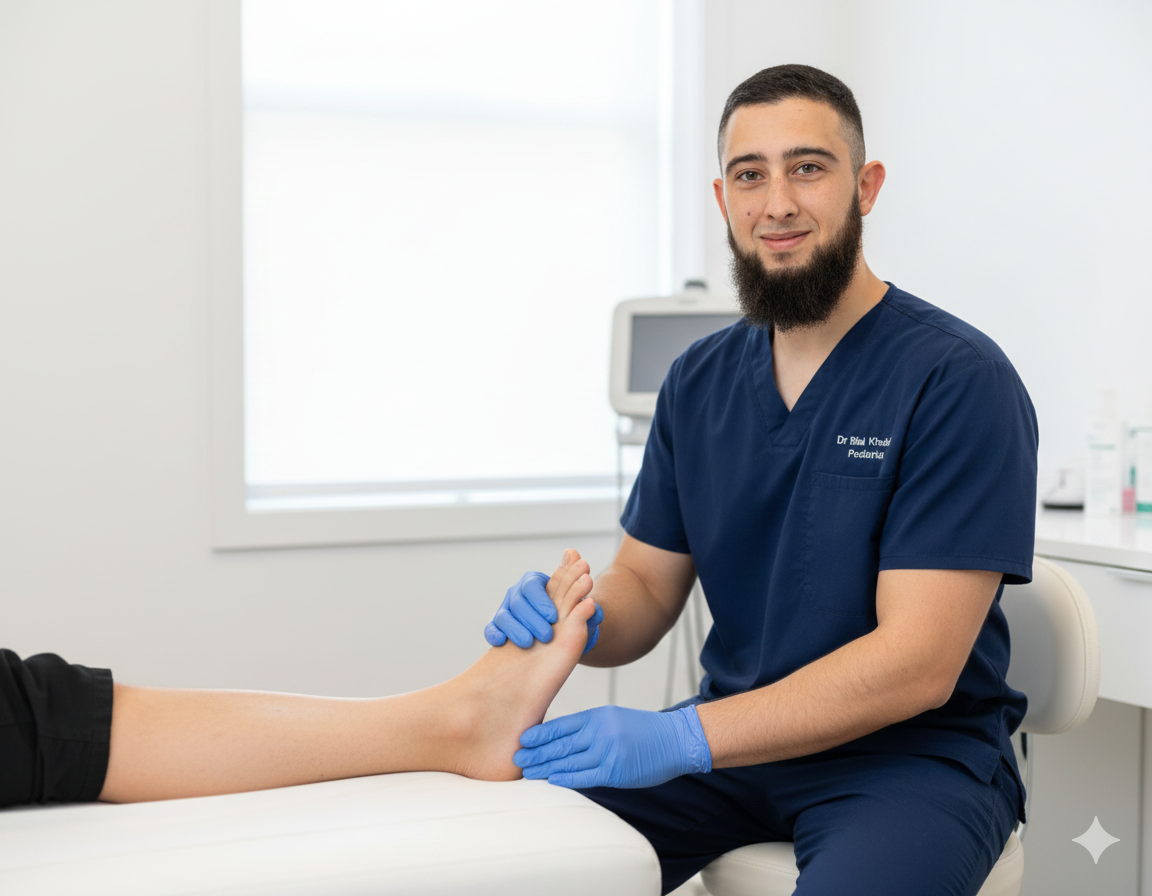
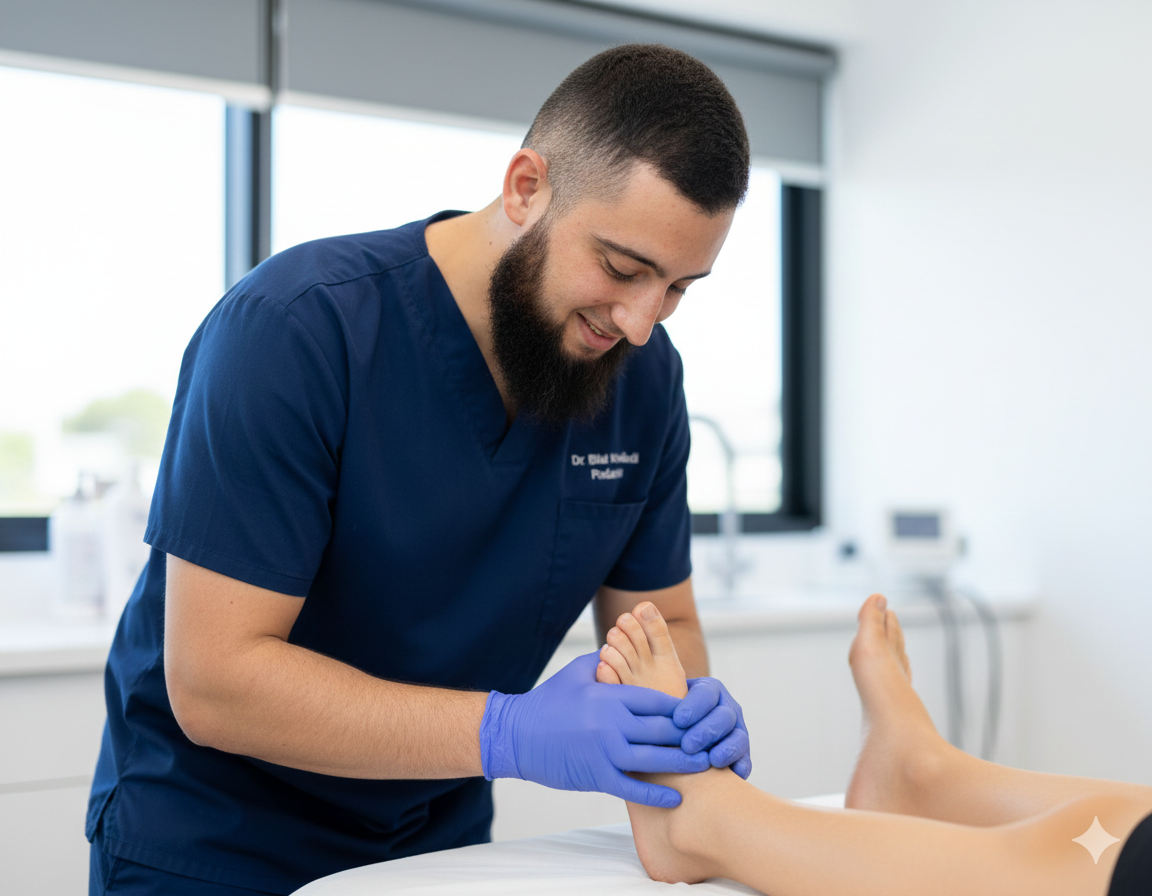
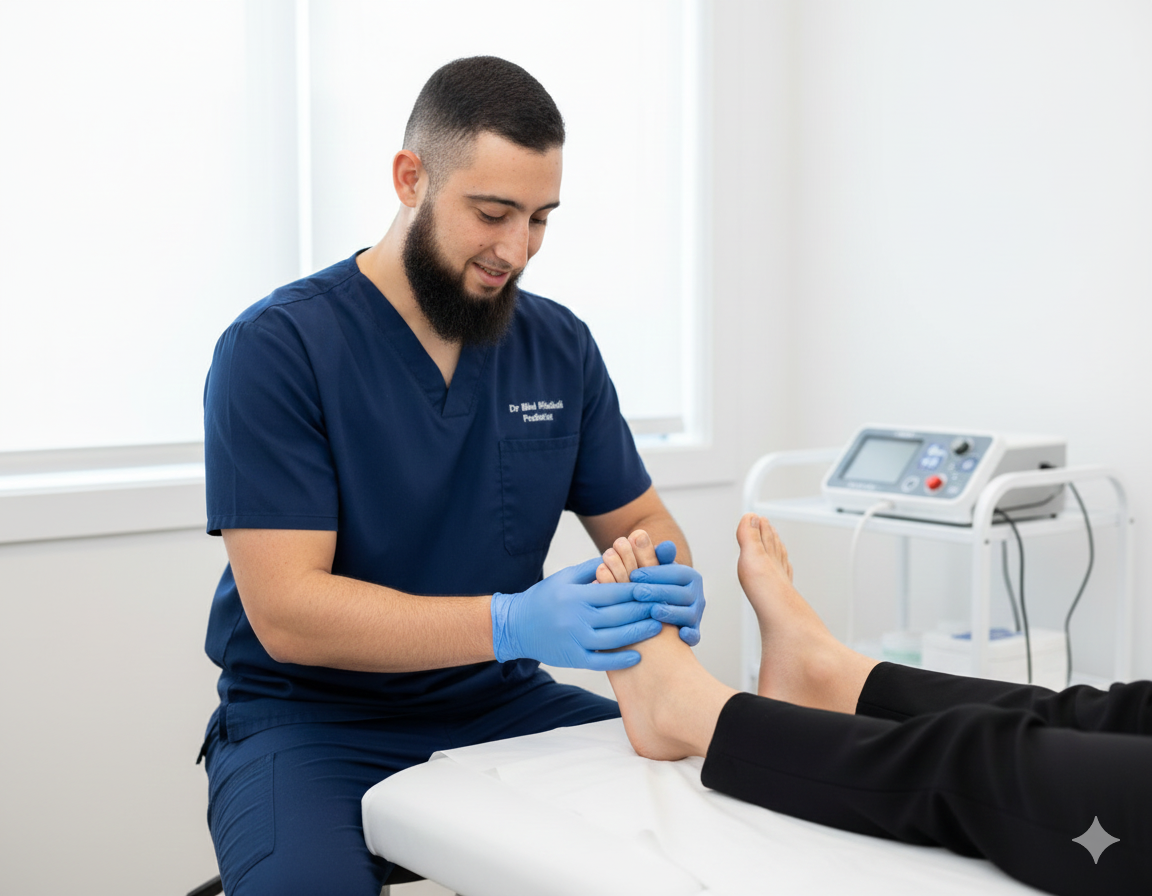
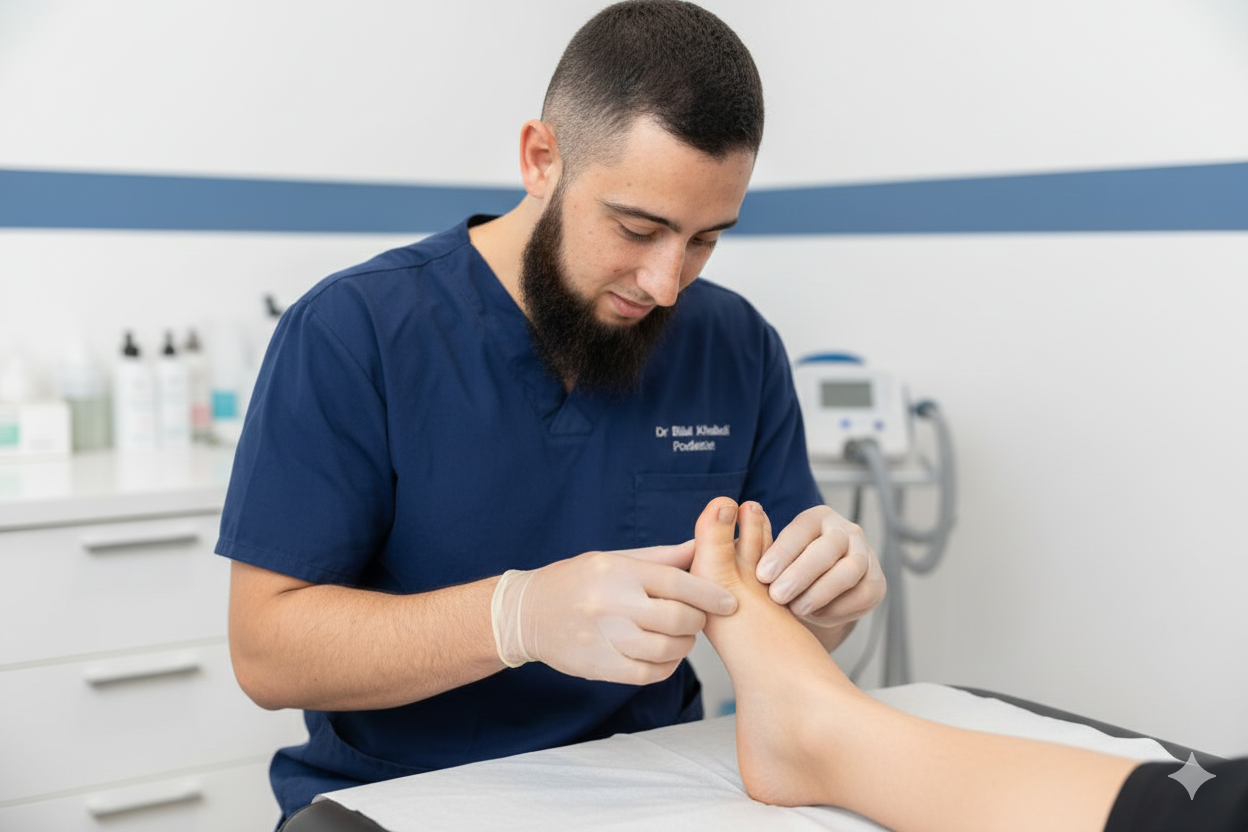
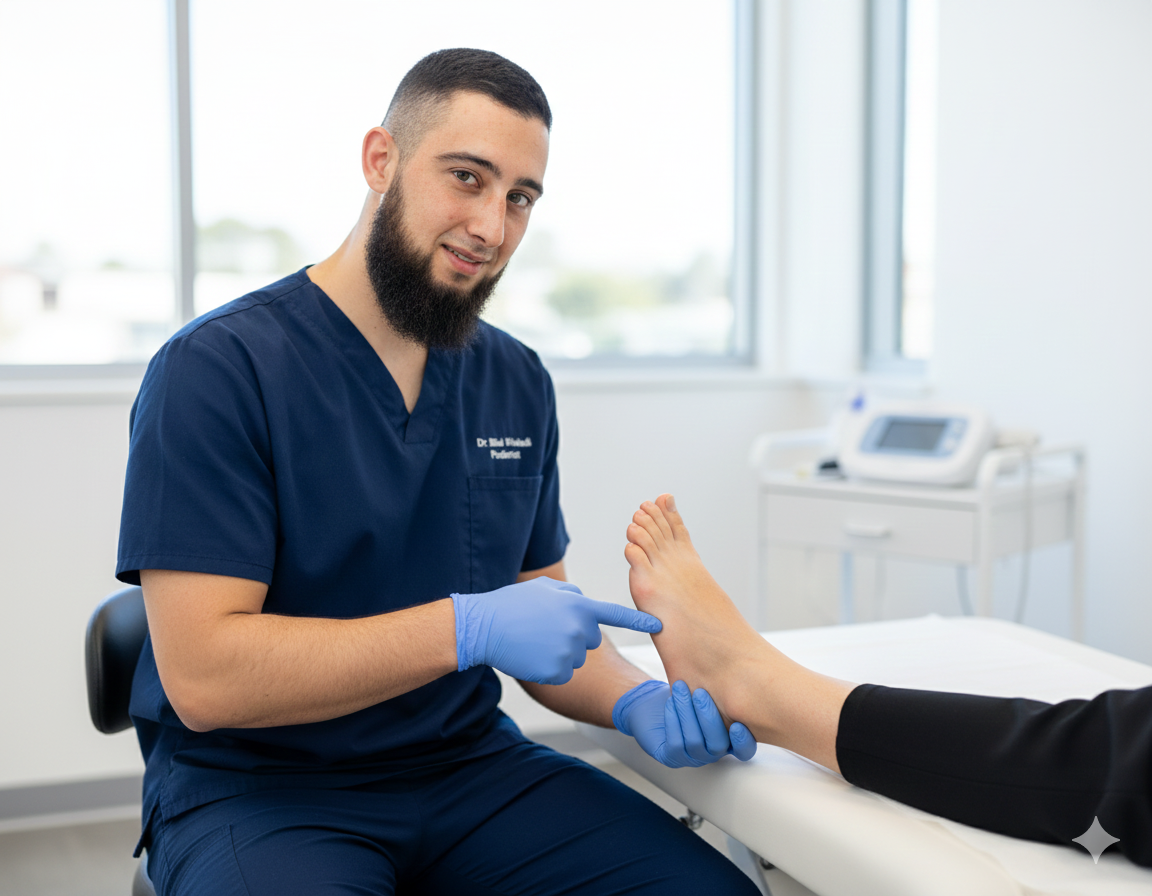
A podiatry consultation may involve discussing your symptoms, activity levels and footwear to understand possible contributing factors.
Clinical history
Gait and movement assessment
Footwear review
Foot posture and flexibility
Referral if required
Management options
Management is tailored to your goals, activities and clinical findings.
Activity modification
Adjusting load and gradually returning to activity may help reduce irritation.
Stretching & strengthening
Calf and plantar fascia stretches, plus foot strengthening exercises. See our illustrated plantar fasciitis exercise guide.
Supportive footwear
Footwear with cushioning and structure may complement other approaches.
Orthotic therapy
Foot orthoses may help redistribute load under the heel and arch.
Manual therapy
Soft tissue techniques or mobilisations may be discussed depending on presentation.
Adjunctive therapies
Options such as dry needling or prolotherapy may be considered where appropriate.
Conditions that may benefit from orthotic therapy
Orthotic therapy may be considered to help support the arch and redistribute load. It may be discussed for:
- Plantar fasciitis
- Plantar heel pain
- Sever’s disease
- Shin splints
- Flat feet or high arches
- Achilles tendon concerns
- Bunions
- Sports injuries
More information is available on our orthotic therapy page.
Considering early assessment
Heel or arch discomfort can affect daily activities. If symptoms persist, change or interfere with work or sport, a podiatry consultation may help explore contributing factors and discuss management options.
If pain worsens, is associated with swelling, or occurs alongside other health concerns, please seek medical advice promptly.
About Podiatry & Injury Clinic
Podiatry consultations
The clinic provides podiatry consultations for a range of foot and lower limb concerns, including plantar heel pain, plantar fasciitis, Sever’s disease and sports-related conditions.
Management options
Management may include exercise programs, footwear advice, orthotic therapy, soft tissue techniques, stretching, strengthening and strapping, depending on individual needs.
Individualised approach
Care is planned in discussion with you, taking into account your activities, work demands and goals. If required, further medical input or imaging can be arranged through appropriate referral pathways.
.png)