Ankle Sprain
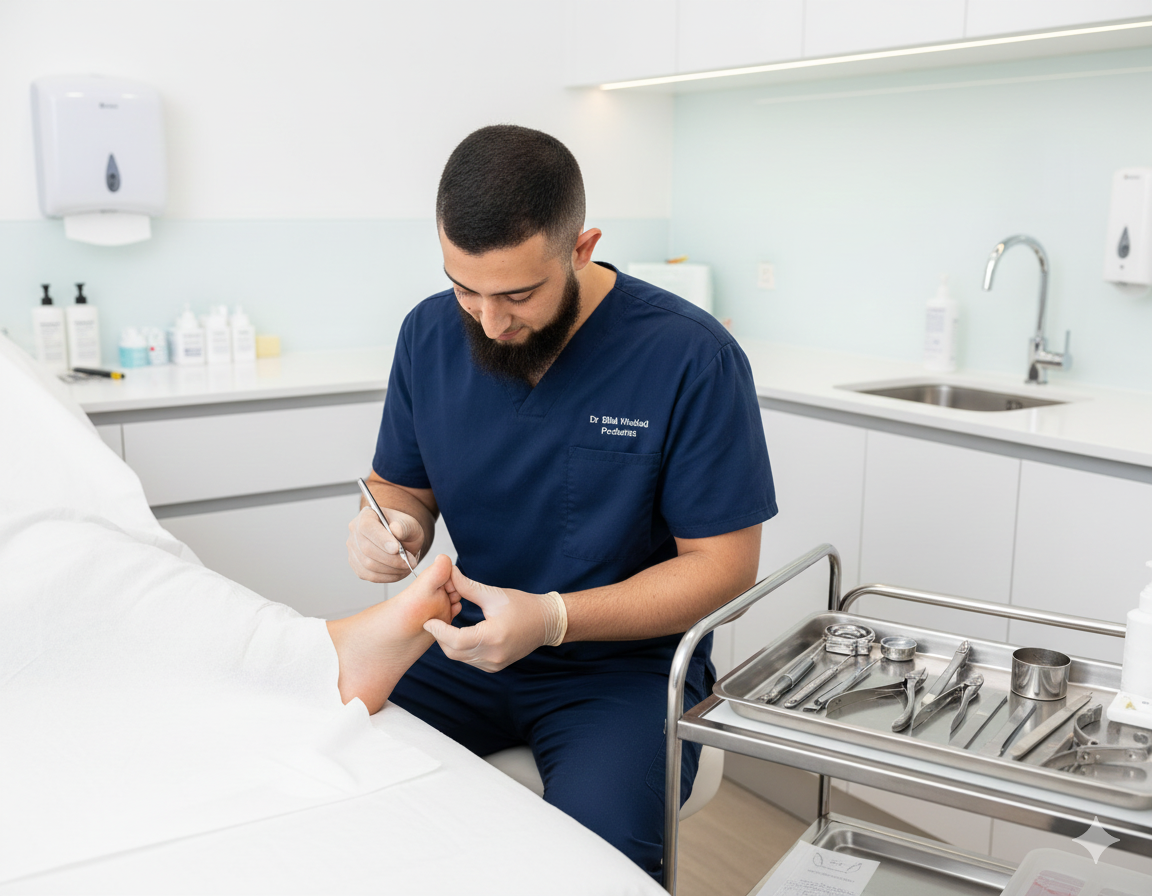
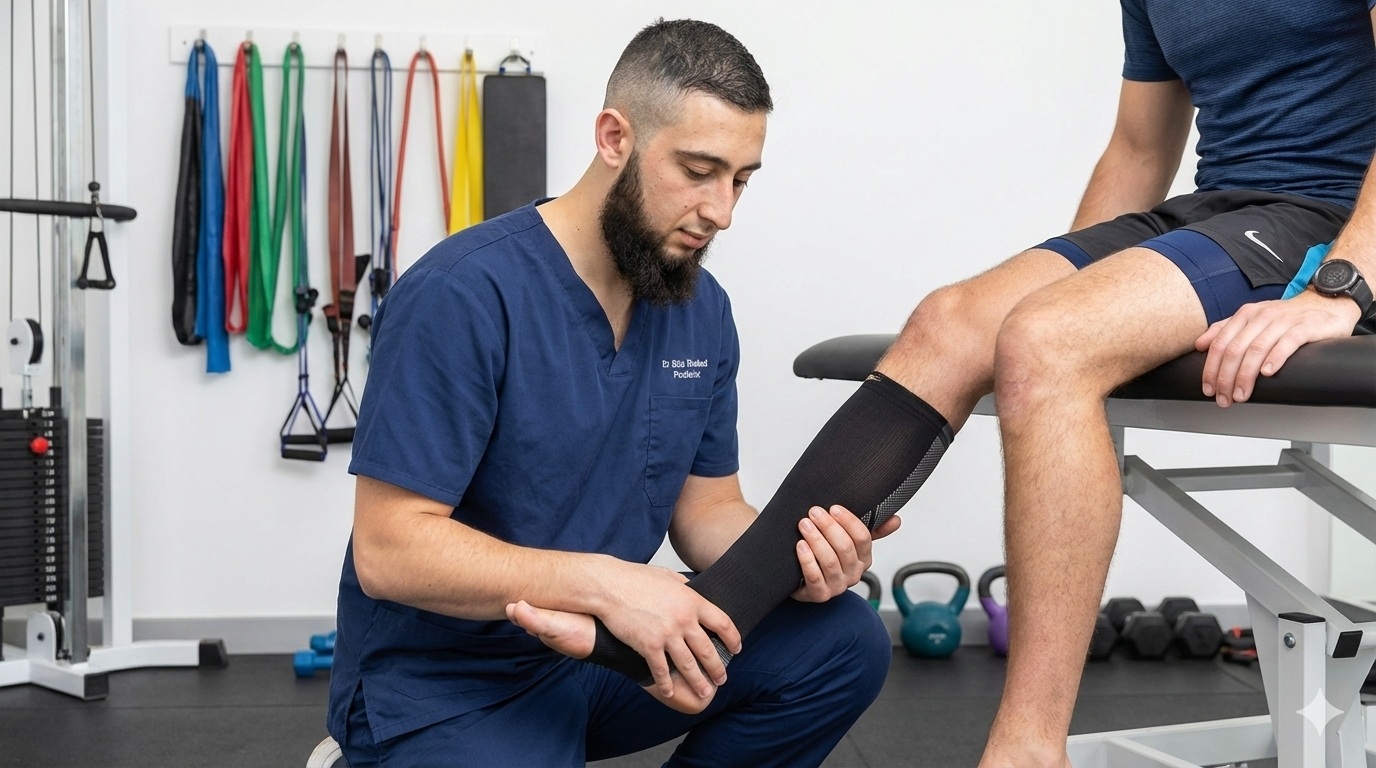
Rolled or twisted your ankle? Ankle sprains are a common injury where the ligaments around the ankle are stretched or torn. This page provides general information about ankle sprains and outlines podiatry management options such as strapping, rehabilitation programs, load modification, footwear advice and orthotic therapy.
What is an ankle sprain?
An ankle sprain occurs when the ligaments that support the ankle are stretched or torn, usually as a result of a sudden twisting, rolling or turning movement. The ankle is surrounded by ligaments which hold the ankle bones together and help limit excessive movement.
Ankle sprains can occur on the inside or outside of the ankle and can vary in severity. Some sprains involve mild stretching of the ligaments, while others may involve partial or more significant tears. People of all ages and activity levels can experience ankle sprains.
Common situations include sport, running or walking on uneven surfaces, or missteps during daily activity. Previous ankle injuries, certain foot types and footwear choices may contribute to recurrent symptoms.
Common symptoms
Symptoms can vary depending on the severity of the sprain. Commonly reported features include:
- Swelling around the ankle joint soon after injury
- Pain with walking especially on uneven surfaces or stairs
- Bruising which may appear within 24–48 hours
- Limited motion stiffness and difficulty moving the ankle
- Instability or a feeling that the ankle may “give way”
- Tenderness when pressing around the ligament area
Assessment and contributing factors
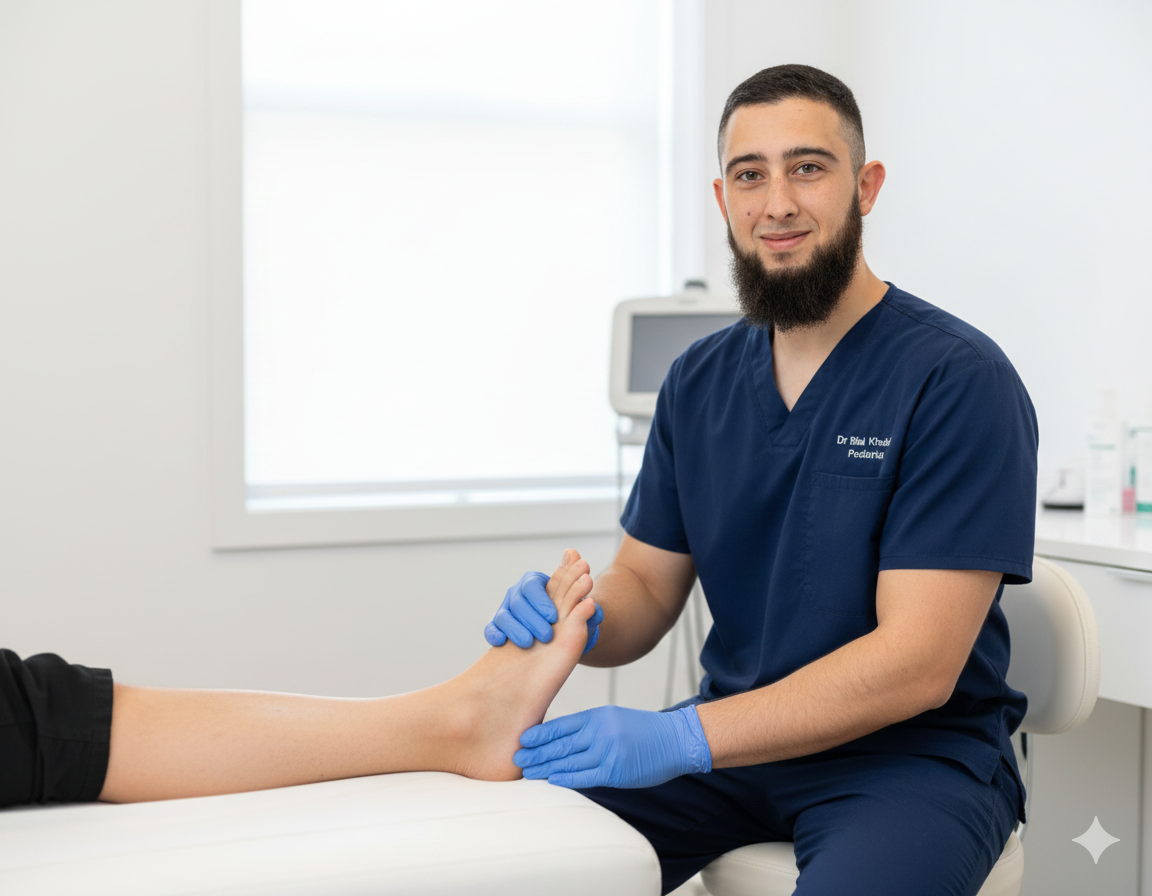
A podiatry consultation may involve discussing how the injury occurred, reviewing swelling and movement, and assessing ligament stability. Understanding your activity levels, footwear and previous injuries helps guide management options.
Ligament stress testing
Assesses stability and identifies which ligaments are involved.
Range of motion testing
Identifies stiffness and restriction around the ankle joint.
Gait assessment
Reviews walking patterns and compensations after injury.
Footwear review
Considers shoe structure and support during recovery.
Imaging referral
X-ray or ultrasound may be discussed if clinically indicated.
Management options
Management is tailored to your injury severity, goals and activity levels.
Acute swelling management
Compression, elevation and protection strategies may help reduce swelling.
Strapping / bracing
Provides support during early recovery and reduces excessive movement.
Rehabilitation program
Strength, balance and mobility exercises to support ligament recovery.
Manual therapy
Techniques to support mobility and comfort during recovery.
Gait retraining
Helps restore walking patterns and confidence after injury.
Return-to-activity planning
Gradual progression back to sport or work tasks.
Orthotic therapy and ankle sprains
Orthotic therapy may be discussed to help support foot mechanics and reduce excessive strain on the ankle during recovery. It may be considered in situations such as:
- Recurrent ankle sprains: devices may help improve stability and alignment.
- Foot posture considerations: such as high arches or pronation patterns.
- Sport or work demands: where repetitive loading occurs on uneven surfaces.
Orthotic therapy is one of several management options and is discussed in the context of your overall assessment, goals and preferences. For more information, you can read about Orthotic Therapy on our treatments page.
Considering early assessment
Some people choose to seek assessment soon after an ankle sprain, particularly if they are unsure about the severity of the injury, have difficulty weight-bearing, or have had previous sprains. Early assessment can help clarify what structures are involved and discuss appropriate management options.
- Persistent pain or swelling that does not settle as expected
- Difficulty walking or returning to usual activities
- Recurrent “rolling” episodes or feelings of instability
- Concerns about sport or work demands and future loading
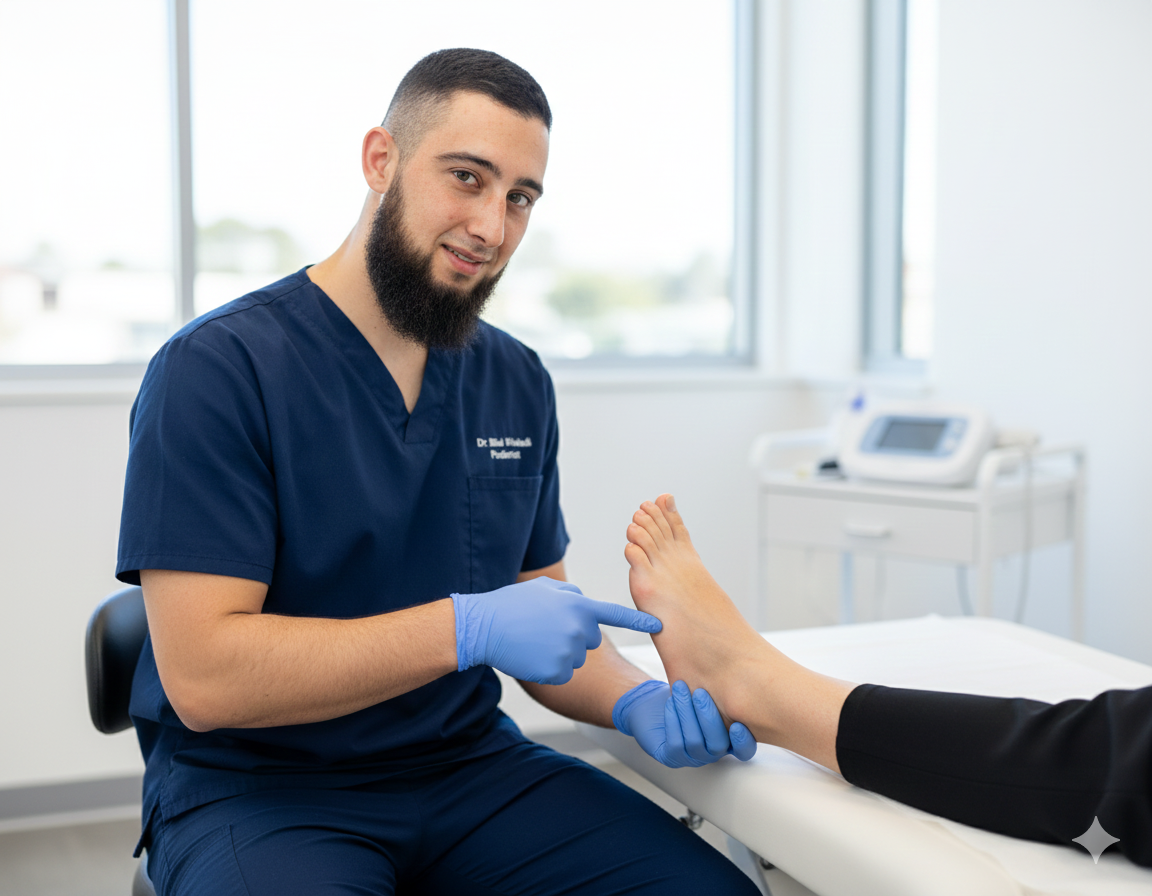
If you are unsure about your symptoms or would like to discuss management options, you can contact the clinic to enquire about a podiatry consultation. This page is general in nature and does not replace individual medical advice.
About our clinic
Podiatry consultations
Assessment and management of foot and ankle conditions in a clinical setting.
Evidence-informed care
Management plans are discussed using current clinical guidelines and research.
Patient-centred approach
Plans are tailored to your goals, activity levels and preferences.

.png)