Tibialis Posterior Strain in Children
The tibialis posterior muscle and tendon help support the arch of the foot. In active children, especially those with flat feet, this tendon can become overloaded, causing pain on the inside of the ankle and arch. This page explains tibialis posterior strain and how orthotic therapy and strengthening may help.
What Is Tibialis Posterior Strain in Children?
The tibialis posterior tendon runs behind the inner ankle bone and attaches under the arch of the foot. It helps support the arch and control the foot during walking and running.
In children, overload of this tendon is more likely in those with flat feet, hypermobile feet or a prominent accessory navicular bone on the inside of the foot. Increases in sport and unsupportive footwear can also contribute.
Because the tendon works to support the arch, orthotic therapy is commonly used to reduce the load on it, together with progressive strengthening and footwear changes.
Signs & Symptoms of Tibialis Posterior Strain in Kids
Children may not always describe symptoms clearly, so parents often notice changes in walking, activity or footwear first. Common signs include:
- Pain on the inside of the ankle or along the arch
- Pain during or after running, jumping or long walks
- Tenderness along the inner ankle or at a bump on the inner midfoot
- Fatigue in the arch or lower leg
- Mild swelling behind the inner ankle bone
Common Contributing Factors
- Flat feet increasing tendon workload
- Flexible, hypermobile feet
- An accessory navicular bone
- Sudden increases in activity
- Unsupportive or worn footwear
How Tibialis Posterior Strain Is Assessed
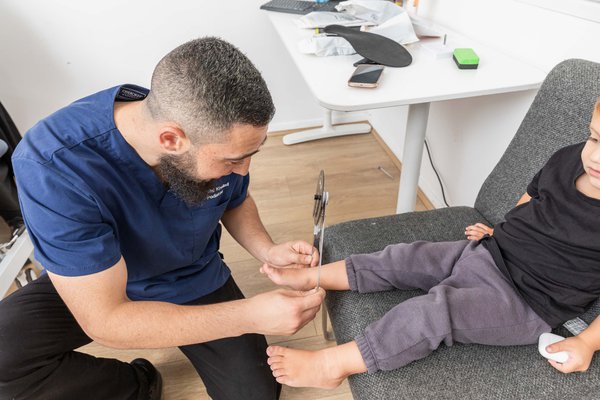
A podiatry assessment considers your child’s growth stage, symptoms, foot posture, walking pattern, activity levels and footwear.
Tendon Examination
Locates tenderness and tests tendon function.
Foot Posture Assessment
Assesses arch height and flexibility.
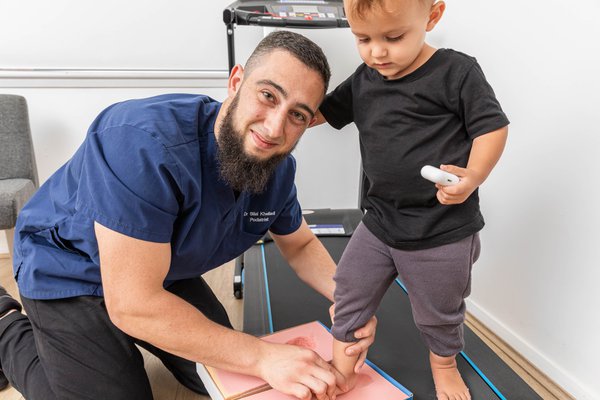
Gait Analysis
Observes foot control during walking and running.
Activity & Footwear Review
Sport, training and shoes.
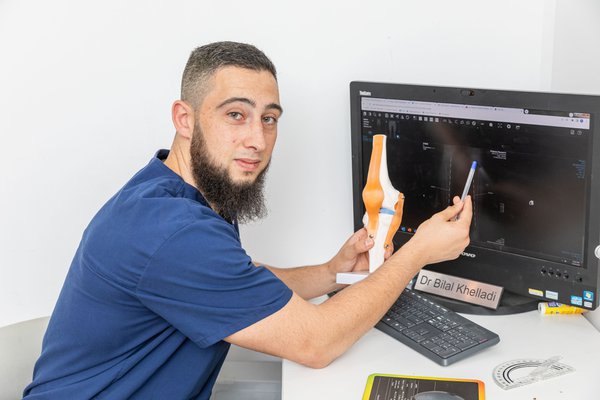
Referral for Imaging (if needed)
If symptoms are persistent or an accessory navicular is suspected.
Orthotic Therapy & Management for Tibialis Posterior Strain
Management is tailored to your child’s age, activity level, foot posture and goals.
How Orthotic Therapy May Help
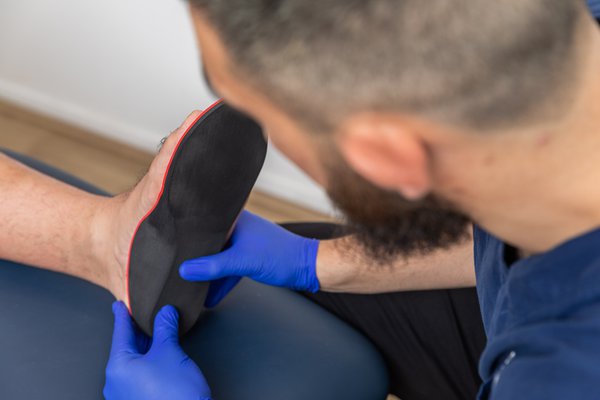
Orthotic therapy can help support the arch and reduce the amount of work the tibialis posterior tendon has to do during activity. For children with flat or hypermobile feet, orthoses may make a noticeable difference to comfort during sport and walking.
Orthoses may also be shaped to avoid pressure on a prominent accessory navicular. They are combined with footwear with good midfoot support and a strengthening program.
- Arch-supporting custom or prefabricated orthoses
- Modifications to avoid pressure on a prominent navicular
- Supportive footwear with a firm heel counter
- Short-term strapping
Orthotic Therapy
May reduce load on the tibialis posterior tendon.
Strengthening Programs
Load Management
Temporarily reducing aggravating activity.
Strapping
Arch strapping for short-term support.
Footwear Planning
Supportive school and sports shoes.
Soft Tissue Therapy
Soft tissue therapy may be discussed for older children.
Learn more about orthotic therapy, strengthening, stretching and strapping, or view all treatments. Related kids conditions include flat feet, hypermobile feet, shin splints, recurrent ankle sprains, foot fatigue in sport.
When to Seek Assessment
Assessment can help reduce tendon irritation early and keep your child active.
Please see your GP if there is significant swelling, redness or warmth, pain at night, or if the arch shape changes rapidly or only on one side.
Tibialis Posterior Strain in Children – Frequently Asked Questions
What is tibialis posterior strain?
Overload or irritation of the tendon that supports the arch, causing pain on the inside of the ankle and arch.
Why is it linked to flat feet?
In flat feet, the tendon often works harder to support the arch, which can lead to overload.
Can orthotics help?
Orthoses that support the arch may reduce tendon load and improve comfort during activity.
What is an accessory navicular?
An extra bone or cartilage on the inner midfoot that can be prominent and sometimes painful, particularly with tight shoes.
Kids Podiatry for Tibialis Posterior Strain in Bankstown
Kid-Friendly Environment
We create a calm, supportive space to help children feel comfortable during assessment.
Orthotic Therapy Options
Where appropriate, prefabricated and custom foot orthoses are discussed based on assessment findings.
Parent-Focused Guidance
We help parents understand what is normal, what may need monitoring, and what can be supported.
Our clinic is located at 1/50 Kitchener Parade, Bankstown, and sees families from across Sydney, including Bankstown, Condell Park, Padstow, Revesby, Lakemba and Belmore. Visit our children’s podiatry page for more kids foot conditions, read about our clinic, or contact the clinic to make an appointment enquiry.
This information is general in nature and is not a substitute for individual assessment and advice. Outcomes vary between children. If you are concerned about your child’s health, please consult your GP or a registered health practitioner.
.png)