Flat Feet in Children (Pes Planus)
Many young children have flat-looking feet, and in most cases this is a normal part of development. This page explains paediatric flat feet (pes planus), when an assessment may be worthwhile, and how podiatry care and orthotic therapy may be used when flat feet are associated with pain, fatigue or tripping.
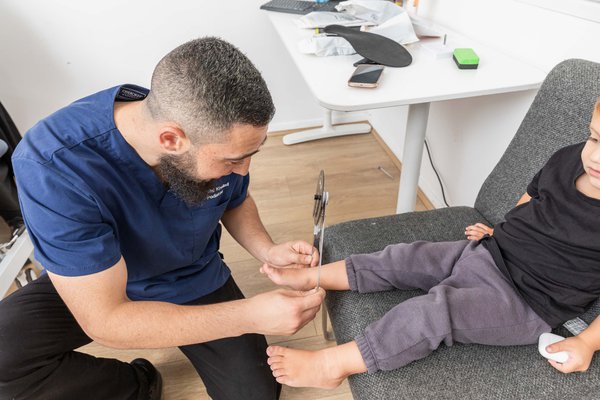
What Is Flat Feet in Children?
Flat feet (also called pes planus or a low arch) describe a foot where the inner arch sits low or flattens when standing. Babies and toddlers usually look flat-footed because of a fat pad under the arch and developing ligaments and muscles. The arch commonly becomes more visible through early and middle childhood.
Most children have flexible flat feet: the arch reappears when the child stands on tiptoes or sits with the foot off the ground. Flexible flat feet without symptoms are common and often do not need treatment. A rigid flat foot, where the arch stays flat on tiptoe, or a flat foot that is painful, may benefit from assessment.
When flat feet are linked to discomfort, tiredness during activity or frequent tripping, a podiatrist may discuss options such as orthotic therapy, footwear advice and strengthening exercises. Flat feet are also discussed alongside hypermobile feet and out-toeing.
Signs & Symptoms of Flat Feet in Kids
Children may not always describe symptoms clearly, so parents often notice changes in walking, activity or footwear first. Common signs include:
- Arch that flattens when standing and returns on tiptoe (flexible)
- Feet or legs that tire quickly when walking, running or during sport
- Arch, heel or inner ankle pain, sometimes after activity
- Shoes that wear quickly on the inner side or lose shape
- Reluctance to join in with walking or sport, or foot fatigue during sport
- Ankles that appear to roll inwards when viewed from behind
Common Contributing Factors
- Normal developmental stage in young children
- Ligament laxity and generalised joint hypermobility
- Tight calf muscles or Achilles tendon
- Family history of flat feet
- Less commonly, a rigid flat foot related to bone or joint differences (e.g. tarsal coalition), which may require referral
How Flat Feet Is Assessed
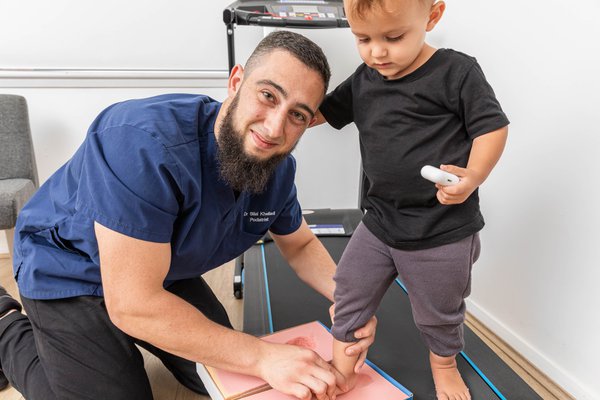
A podiatry assessment considers your child’s growth stage, symptoms, foot posture, walking pattern, activity levels and footwear.
Foot Posture Assessment
Standing and tiptoe checks to see whether the flat foot is flexible or rigid.
Gait & Walking Analysis
Observes how the feet and ankles move during walking and running.
Flexibility & Strength Checks
Calf flexibility, foot strength and joint range of motion.
Activity & Sports Load Review
Considers sport, school activity and symptoms after exercise.
Referral (if needed)
Considered for rigid, painful or one-sided flat feet.
Orthotic Therapy & Management for Flat Feet
Management is tailored to your child’s age, activity level, foot posture and goals.
How Orthotic Therapy May Help
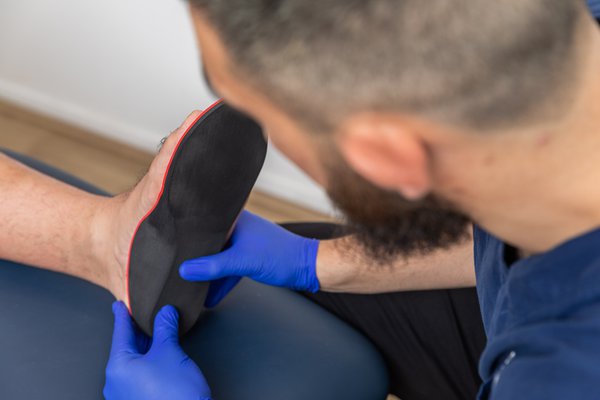
Research indicates that foot orthoses do not change how a child’s arch develops long term. For children whose flat feet are associated with symptoms, however, orthotic therapy may be considered to support the arch, reduce strain on the muscles and tendons of the foot and lower leg, and improve comfort during activity.
Options may include prefabricated (off-the-shelf) orthoses or custom foot orthoses prescribed after assessment. The choice depends on your child’s age, foot posture, symptoms, footwear and activity level, and orthoses are usually reviewed as the child grows.
- Prefabricated paediatric orthoses for mild symptoms
- Custom foot orthoses prescribed from a biomechanical assessment
- Footwear with a firm heel counter and supportive midsole
- Regular review of fit as feet grow
Orthotic Therapy
May be considered to support the arch and reduce overload when flat feet cause symptoms.
Strengthening Programs
Foot and lower-limb strengthening to support control and endurance.
Stretching Programs
Calf stretching may be discussed where muscle tightness is present.
Footwear Planning
Guidance on school shoes and sports shoes with stable support.
Activity & Load Management
Adjusting activity to reduce discomfort while keeping kids active.
Education & Monitoring
Helping parents understand what is normal and what to watch for.
Learn more about orthotic therapy, strengthening, stretching and strapping, or view all treatments. Related kids conditions include hypermobile feet, foot fatigue in sport, tibialis posterior strain, out-toeing, frequent tripping.
When to Seek Assessment
Many flat-footed children never develop symptoms. An assessment may be worthwhile if your child has pain, tires easily, trips often, or if the flat foot is rigid or affects only one side. It can also help to check footwear when your child is starting a new sport.
Please see your GP promptly if foot pain is accompanied by swelling, redness, fever, night pain, a limp, or if the foot shape changes quickly.
Flat Feet in Children – Frequently Asked Questions
Are flat feet normal in children?
Yes. Flat-looking feet are common in toddlers and young children, and the arch often develops through childhood. Flexible flat feet without symptoms usually do not need treatment.
Will orthotics give my child an arch?
Orthotics are not expected to permanently change arch shape. They may be used to support the foot and reduce symptoms such as pain or fatigue while they are worn.
When should my child see a podiatrist for flat feet?
An assessment may help if your child has foot, leg or knee pain, tires quickly, trips often, or has a rigid or one-sided flat foot.
What shoes are best for children with flat feet?
Shoes with a firm heel counter, supportive midsole and secure fastening are generally recommended. A podiatrist can give advice specific to your child.
Kids Podiatry for Flat Feet in Bankstown
Kid-Friendly Environment
We create a calm, supportive space to help children feel comfortable during assessment.
Orthotic Therapy Options
Where appropriate, prefabricated and custom foot orthoses are discussed based on assessment findings.
Parent-Focused Guidance
We help parents understand what is normal, what may need monitoring, and what can be supported.
Our clinic is located at 1/50 Kitchener Parade, Bankstown, and sees families from across Sydney, including Bankstown, Condell Park, Padstow, Revesby, Lakemba and Belmore. Visit our children’s podiatry page for more kids foot conditions, read about our clinic, or contact the clinic to make an appointment enquiry.
This information is general in nature and is not a substitute for individual assessment and advice. Outcomes vary between children. If you are concerned about your child’s health, please consult your GP or a registered health practitioner.
.png)