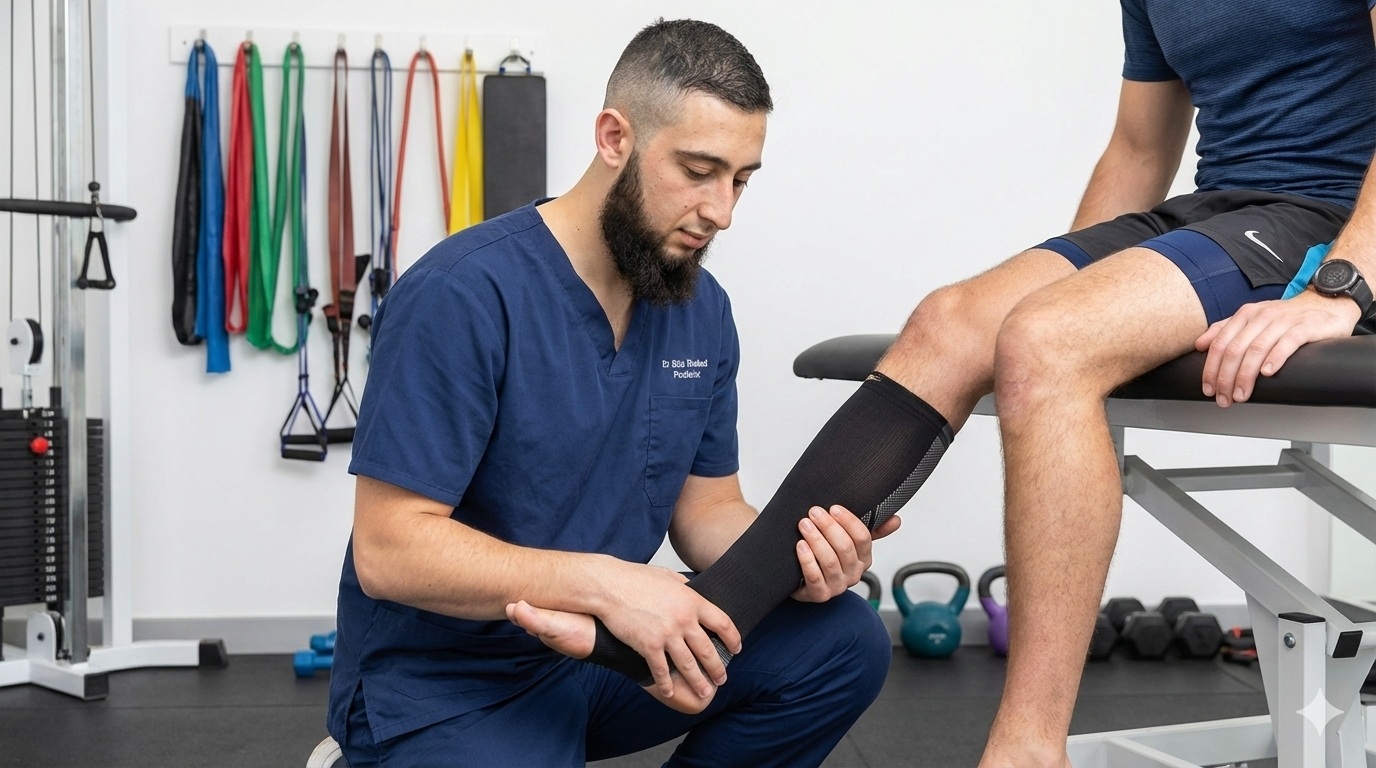
High Arches in Children (Pes Cavus)
A high-arched foot (pes cavus) places more pressure on the heel and ball of the foot and can be linked with foot pain, calluses and ankle sprains. This page explains high arches in children, why medical review is sometimes recommended, and how orthotic therapy may help manage symptoms.
What Is High Arches in Children?
Pes cavus describes a foot with an unusually high arch that does not flatten when standing. Because less of the foot contacts the ground, pressure is concentrated under the heel and forefoot. Some children with high arches have no symptoms, while others experience pain, fatigue or instability.
High arches in children can be associated with recurrent ankle sprains, ball-of-foot pain, clawed or hammer toes and heel pain.
In children, a high arch that is new, getting higher, affects only one side, or occurs with weakness or clumsiness can sometimes be linked with an underlying neurological condition. In these cases, referral to a GP or paediatric specialist is recommended alongside podiatry care.
Signs & Symptoms of High Arches in Kids
Children may not always describe symptoms clearly, so parents often notice changes in walking, activity or footwear first. Common signs include:
- An arch that stays high when standing
- Pain under the heel or ball of the foot
- Frequent ankle rolling or ankle sprains
- Calluses or pressure areas under the forefoot
- Toes that curl or claw (hammer toes)
- Shoes wearing on the outer edge
Common Contributing Factors
- Inherited foot shape (family history)
- Tight calf muscles or plantar fascia
- Muscle imbalance between the front and back of the leg
- Neurological conditions (e.g. Charcot-Marie-Tooth disease) – less common but important to identify
- Previous injury or other medical conditions
How High Arches Is Assessed
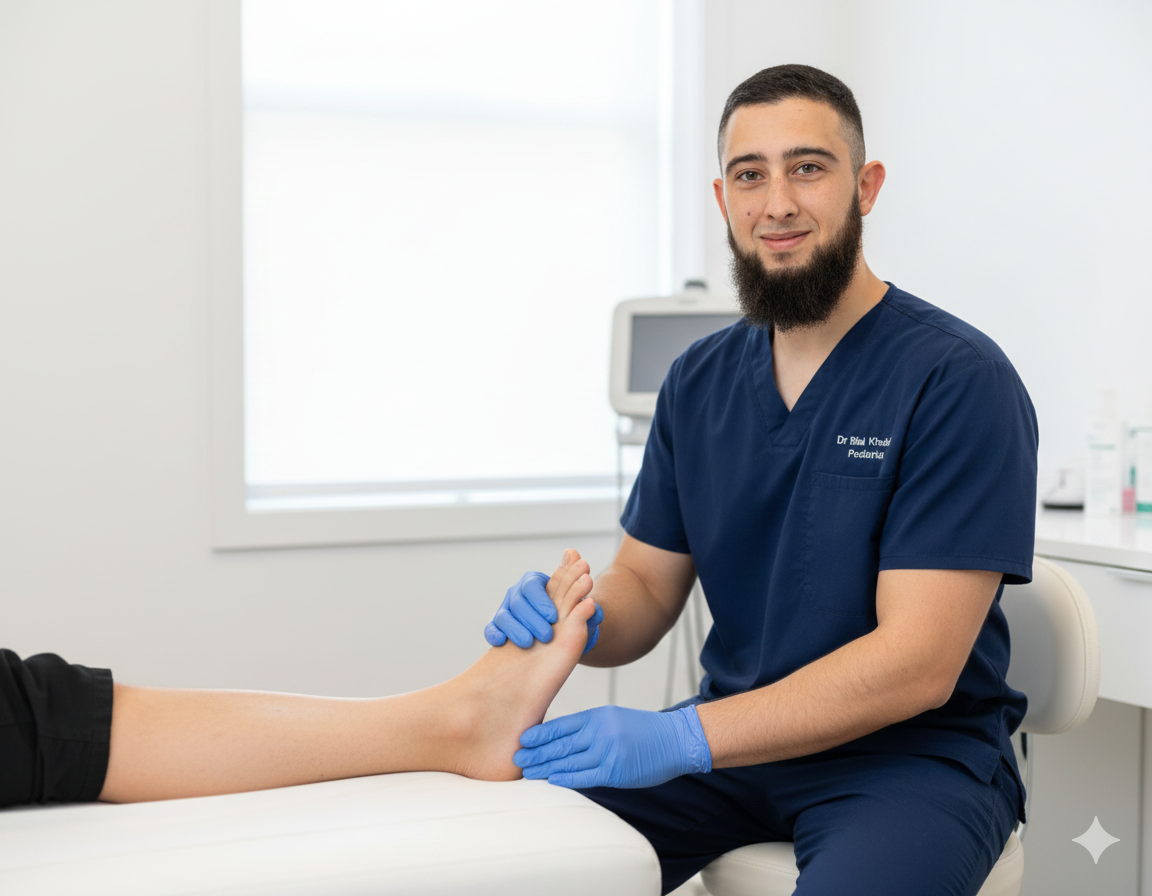
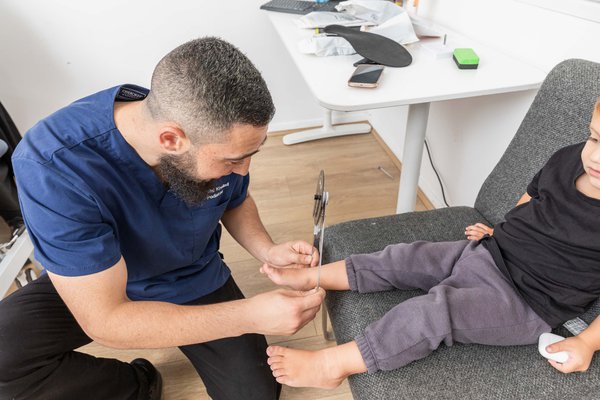
A podiatry assessment considers your child’s growth stage, symptoms, foot posture, walking pattern, activity levels and footwear.
Foot Posture Assessment
Checks arch height, heel position and whether the foot is flexible.
Gait & Walking Analysis
Looks at how the foot contacts the ground and pressure patterns.
Balance & Ankle Stability
Screens for instability that may contribute to sprains.
Strength & Sensation Screen
Basic checks to identify when medical referral may be needed.
Referral (if needed)
GP or paediatric specialist review for progressive or one-sided high arches.
Orthotic Therapy & Management for High Arches
Management is tailored to your child’s age, activity level, foot posture and goals.
How Orthotic Therapy May Help
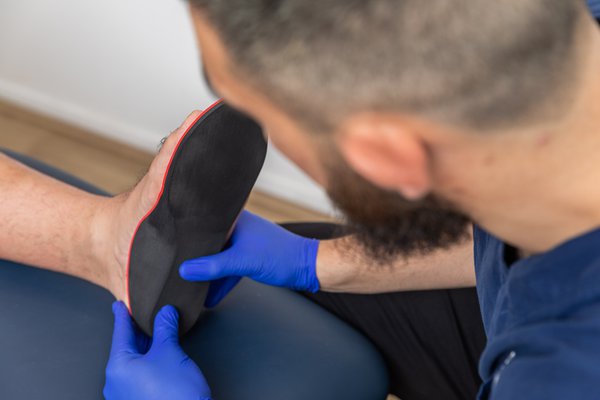
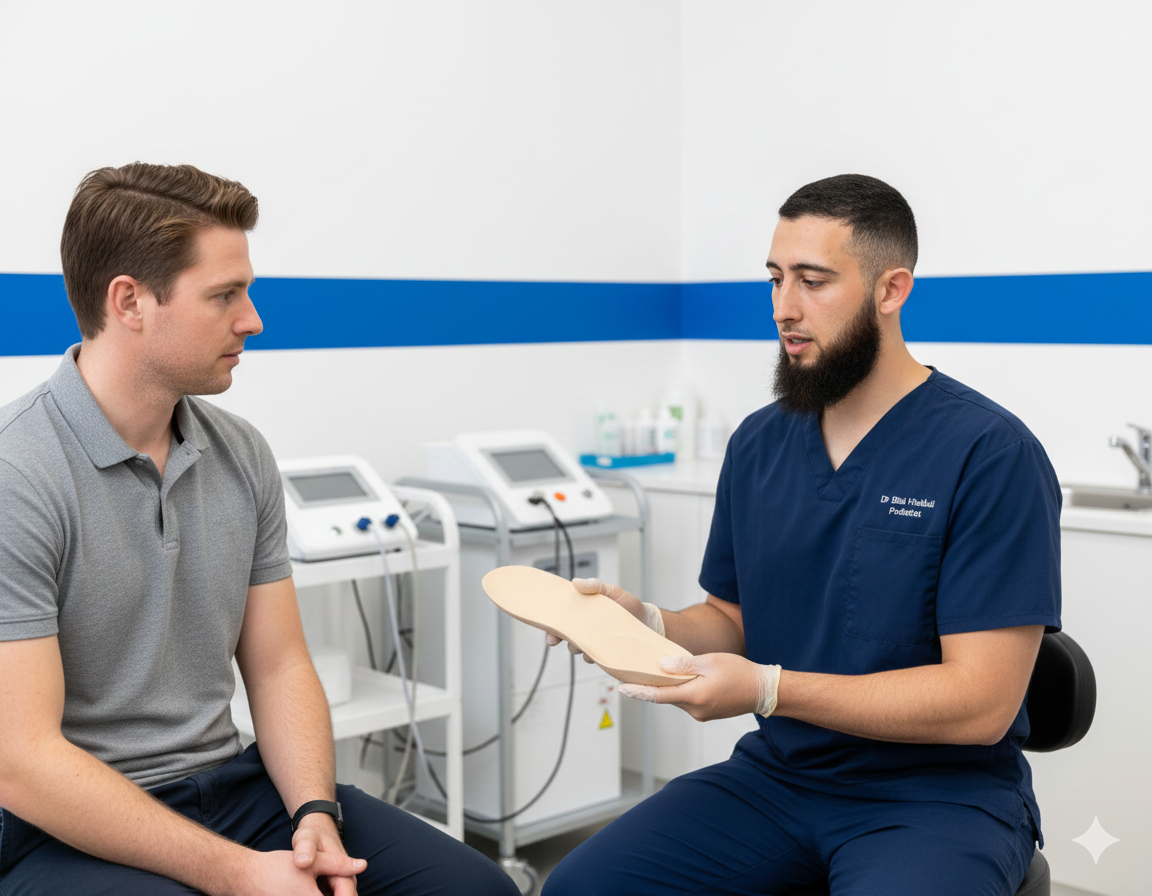
For children with painful high arches, orthotic therapy may be considered to spread pressure more evenly across the foot, cushion the heel and forefoot and improve stability. Research in people with painful cavus feet has found custom foot orthoses can reduce foot pain for some people.
Orthoses for high arches are usually designed with a contoured arch to increase contact, cushioning materials, and sometimes features to help the foot sit more centrally where ankle rolling is a concern.
- Contoured custom foot orthoses to share pressure
- Cushioned top covers for heel and forefoot comfort
- Lateral features where ankle instability is present
- Cushioned, stable footwear
Orthotic Therapy
May be considered to redistribute pressure and improve comfort and stability.
Stretching Programs
Calf and plantar fascia stretching where tightness is present.
Strengthening & Balance
Ankle strengthening and balance work for stability.
Footwear Planning
Cushioned shoes with enough depth for toes and a stable base.
Callus & Pressure Care
Management of pressure areas under the forefoot.
Medical Referral
Coordinated care with GP or paediatric specialists when indicated.
Learn more about orthotic therapy, strengthening, stretching and strapping, or view all treatments. Related kids conditions include recurrent ankle sprains, sesamoid pain, hammer toes, plantar heel pain, foot fatigue in sport.
When to Seek Assessment
Assessment may be worthwhile if your child has foot pain, frequent ankle sprains or pressure areas. Earlier assessment is also useful if the arch appears to be changing.
Please see your GP if a high arch is new, progressive or one-sided, or if you notice weakness, frequent falls, changes in walking, or numbness.
High Arches in Children – Frequently Asked Questions
Are high arches in children a concern?
Many children with high arches have no problems. However, painful, progressive or one-sided high arches should be assessed, and medical review may be recommended.
Can orthotics help high arches?
Orthotics may help reduce pain by spreading pressure and cushioning high-load areas. They do not change the underlying foot structure.
Why might a podiatrist refer my child to a doctor?
High arches can occasionally be linked to nerve or muscle conditions. Referral helps make sure these are identified and managed appropriately.
Are high arches linked to ankle sprains?
A high-arched foot can be less stable and may be associated with ankle rolling. Balance training, footwear and orthoses may be discussed.
Kids Podiatry for High Arches in Bankstown
Kid-Friendly Environment
We create a calm, supportive space to help children feel comfortable during assessment.
Orthotic Therapy Options
Where appropriate, prefabricated and custom foot orthoses are discussed based on assessment findings.
Parent-Focused Guidance
We help parents understand what is normal, what may need monitoring, and what can be supported.
Our clinic is located at 1/50 Kitchener Parade, Bankstown, and sees families from across Sydney, including Bankstown, Condell Park, Padstow, Revesby, Lakemba and Belmore. Visit our children’s podiatry page for more kids foot conditions, read about our clinic, or contact the clinic to make an appointment enquiry.
This information is general in nature and is not a substitute for individual assessment and advice. Outcomes vary between children. If you are concerned about your child’s health, please consult your GP or a registered health practitioner.
.png)