Hammer Toes in Children
Hammer toes are toes that bend at the middle joint, creating a raised knuckle that can rub in shoes. In children, bent or curly toes are often present from birth. This page explains hammer toes in children and how footwear, padding and orthotic offloading may help.
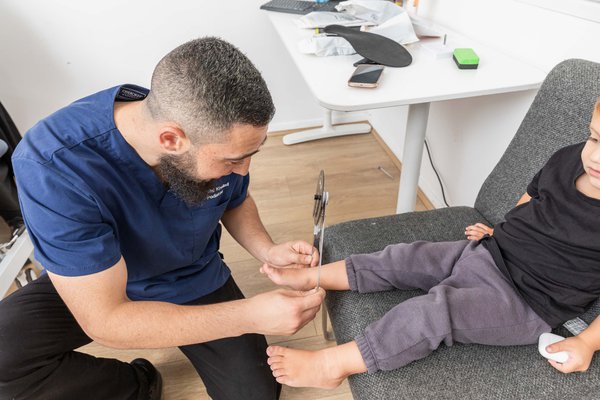
What Is Hammer Toes in Children?
A hammer toe bends upwards at the joint closest to the foot and downwards at the middle joint, forming a raised knuckle. Related toe shapes include claw toes, where more than one joint is bent, and curly toes, a common condition in babies and toddlers where a toe curls under its neighbour.
Curly toes in young children often improve or cause no symptoms. In older children, hammer or claw toes may be associated with muscle imbalance, footwear that is too short or narrow, and foot posture, particularly high arches. Toes that become more clawed over time, especially with high arches, may need medical review.
Symptoms usually come from pressure: rubbing on the top of the knuckle, corns at the tip of the toe, or discomfort under the ball of the foot. Podiatry care focuses on reducing pressure with footwear changes, padding, toe devices and orthotic therapy. Hammer toes are often seen alongside overlapping toes.
Signs & Symptoms of Hammer Toes in Kids
Children may not always describe symptoms clearly, so parents often notice changes in walking, activity or footwear first. Common signs include:
- A raised, bent toe knuckle
- Redness, blisters or corns on top of the toe or at the tip
- Discomfort in closed-in shoes
- Pain under the ball of the foot
- A toe curling under a neighbouring toe (curly toe)
Common Contributing Factors
- Present from birth (congenital curly toes)
- Tight toe flexor tendons
- Footwear that is too short or narrow
- High-arched feet and muscle imbalance
- Less commonly, neurological conditions (especially if progressive)
How Hammer Toes Is Assessed
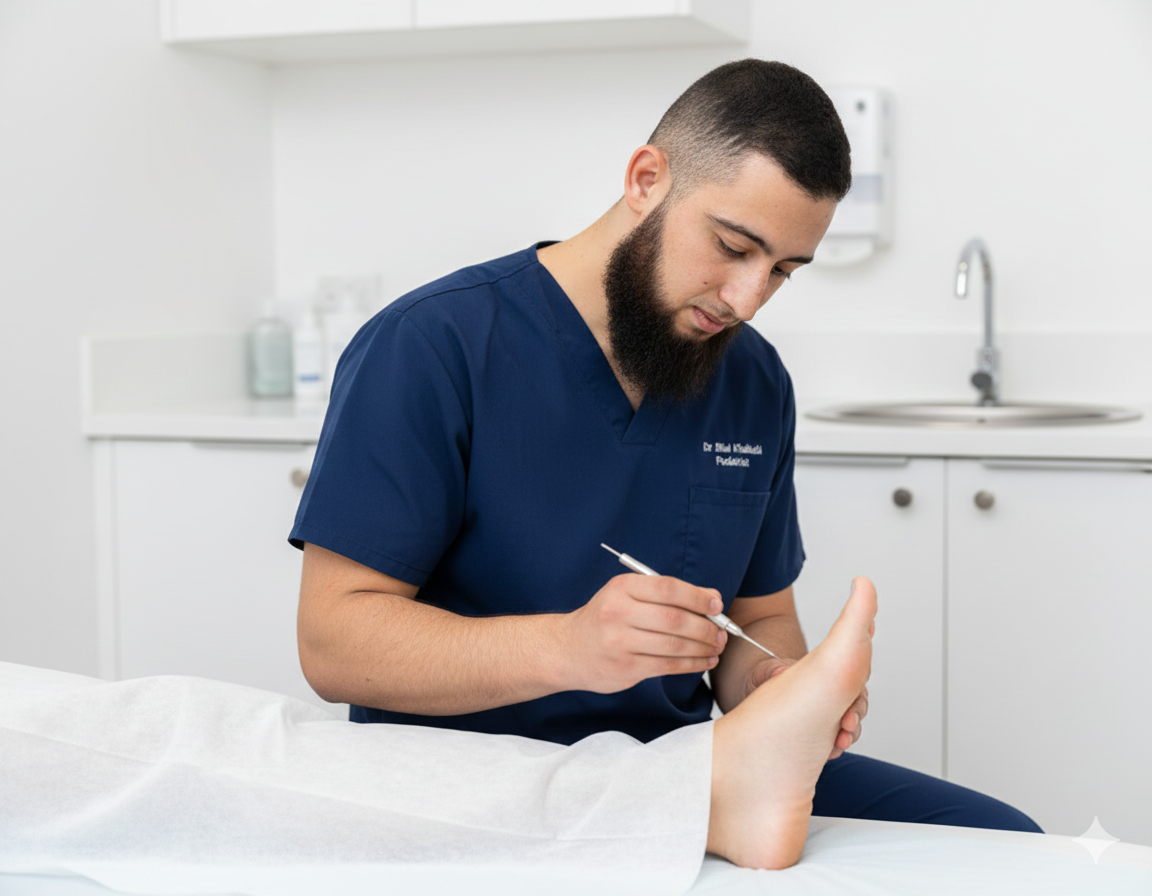
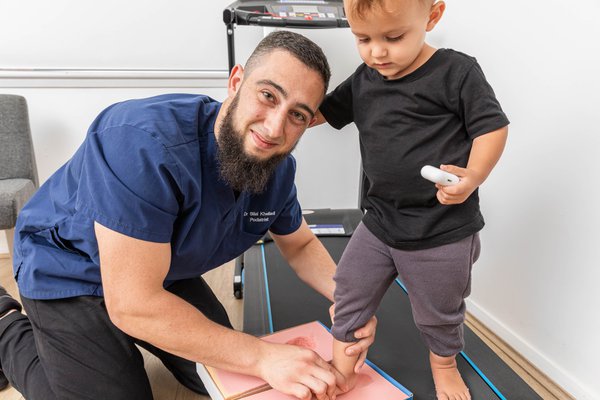
A podiatry assessment considers your child’s growth stage, symptoms, foot posture, walking pattern, activity levels and footwear.
Toe Examination
Assesses toe flexibility and pressure areas.
Foot Posture Assessment
Checks arch height and forefoot loading.
Footwear Assessment
Checks shoe length, depth and toe room.
Strength Screen
Basic foot and leg strength checks.
Referral (if needed)
Medical review for progressive clawing or one-sided changes.
Orthotic Therapy & Management for Hammer Toes
Management is tailored to your child’s age, activity level, foot posture and goals.
How Orthotic Therapy May Help
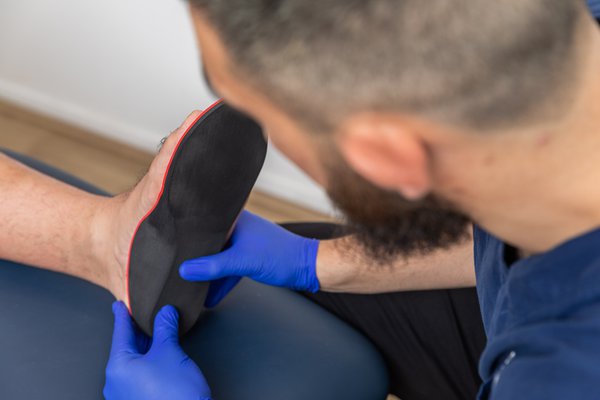
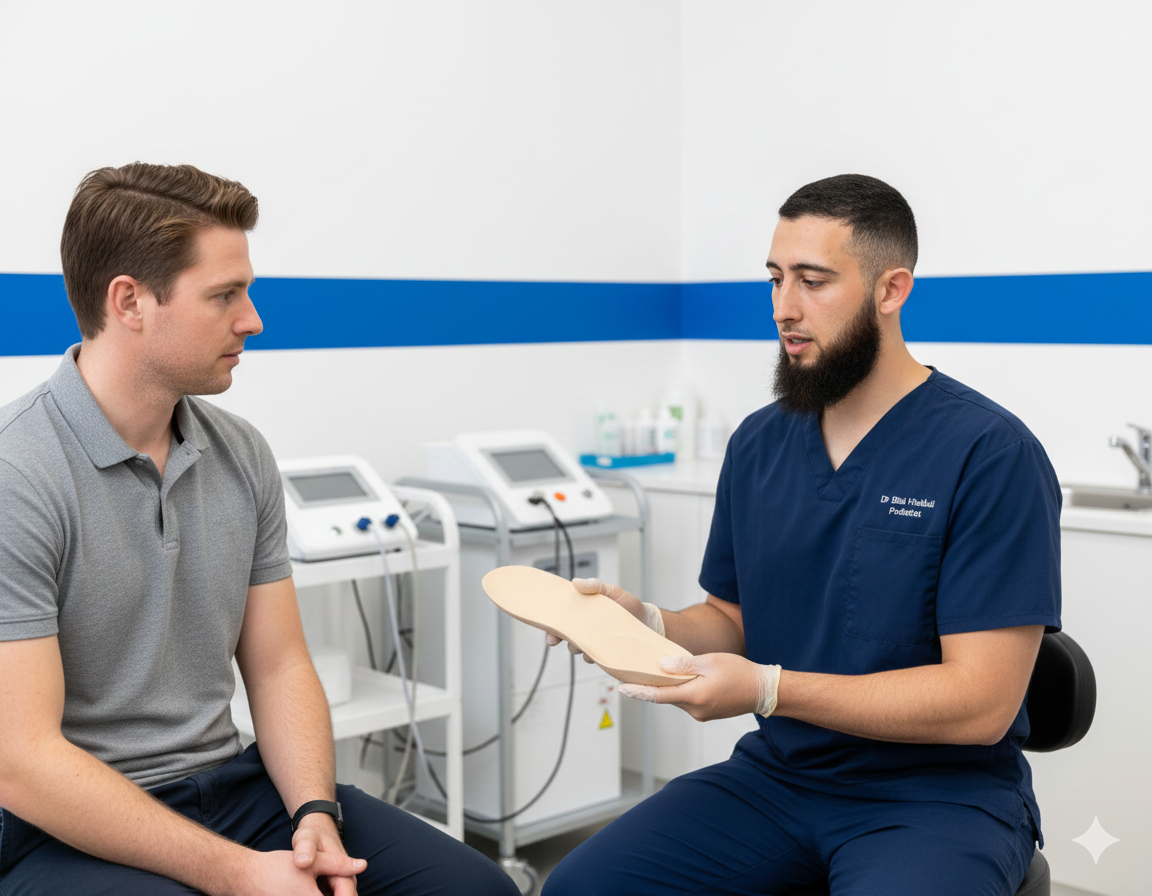
Orthotic therapy may be considered to reduce pressure on the toes and ball of the foot. Foot orthoses can help redistribute forefoot pressure, and may include metatarsal padding, while silicone toe props and protective sleeves can reduce friction on knuckles and toe tips.
These approaches aim to improve comfort; they may not straighten the toe. For flexible toes, a podiatrist may also discuss toe-strengthening exercises.
- Silicone toe props and crest pads
- Protective toe sleeves
- Foot orthoses with forefoot padding
- Footwear with a deep toe box and correct length
Orthotic & Offloading Devices
May reduce pressure on toe knuckles and tips.
Footwear Planning
Correct length and a deep, wide toe box.
Toe Strengthening & Stretching
Toe exercises for flexible toes.
Skin & Nail Care
Management of corns and nail pressure.
Monitoring
Review as your child grows.
Medical or Surgical Referral
When toes are rigid, progressive or painful despite care.
Learn more about orthotic therapy, strengthening, stretching and strapping, or view all treatments. Related kids conditions include overlapping toes, high arches, sesamoid pain, plantar warts, frequent tripping.
When to Seek Assessment
Assessment may be helpful if toes are painful, rubbing in shoes, or if you notice changes in toe shape.
Please see your GP if toes become more clawed over time, if changes affect one foot only, or occur with high arches, weakness, frequent tripping or changes in walking.
Hammer Toes in Children – Frequently Asked Questions
What is the difference between hammer toes and curly toes?
Curly toes curl under a neighbouring toe and are common in young children. Hammer toes bend at the middle joint, creating a raised knuckle.
Do curly toes need treatment?
Many curly toes cause no symptoms and do not need treatment. Painful or problematic toes can be assessed.
Can orthotics help hammer toes?
Orthoses and toe devices may help reduce pressure and improve comfort, but may not change toe shape.
When should I be concerned?
Toes that become increasingly clawed, especially with high arches or weakness, should be reviewed by a doctor.
Kids Podiatry for Hammer Toes in Bankstown
Kid-Friendly Environment
We create a calm, supportive space to help children feel comfortable during assessment.
Orthotic Therapy Options
Where appropriate, prefabricated and custom foot orthoses are discussed based on assessment findings.
Parent-Focused Guidance
We help parents understand what is normal, what may need monitoring, and what can be supported.
Our clinic is located at 1/50 Kitchener Parade, Bankstown, and sees families from across Sydney, including Bankstown, Condell Park, Padstow, Revesby, Lakemba and Belmore. Visit our children’s podiatry page for more kids foot conditions, read about our clinic, or contact the clinic to make an appointment enquiry.
This information is general in nature and is not a substitute for individual assessment and advice. Outcomes vary between children. If you are concerned about your child’s health, please consult your GP or a registered health practitioner.