Sesamoid Pain in Children & Teens
The sesamoids are two small bones under the big toe joint that help the foot push off. In active children and teenagers, repeated pressure through this area can cause pain known as sesamoiditis. This page explains sesamoid pain and how orthotic offloading and activity changes may help.
What Is Sesamoid Pain in Children?
The sesamoid bones sit within the tendon under the big toe joint. They take a large amount of pressure during running, jumping, dancing and pushing off. Irritation of the sesamoids and surrounding tissues is called sesamoiditis.
Sesamoid pain is more common in teenagers involved in dance, gymnastics, sprinting, basketball and football. It may be more likely in children with high arches, which increase forefoot pressure, or in those wearing thin-soled or flexible footwear.
Because pain in this area can also be caused by a stress fracture, or by a sesamoid that naturally forms in two parts (bipartite sesamoid), assessment is important. Management typically centres on offloading the area with orthotic therapy, padding and footwear changes.
Signs & Symptoms of Sesamoid Pain in Kids
Children may not always describe symptoms clearly, so parents often notice changes in walking, activity or footwear first. Common signs include:
- Pain under the ball of the foot, beneath the big toe joint
- Pain when pushing off, jumping, or rising onto the toes
- Tenderness when pressing under the big toe joint
- Pain bending the big toe upwards
- Occasional mild swelling
Common Contributing Factors
- Repetitive forefoot loading (dance, sprinting, jumping sports)
- High-arched feet increasing forefoot pressure
- Thin, flexible or worn footwear
- Sudden increases in training
- Hard training surfaces
How Sesamoid Pain Is Assessed
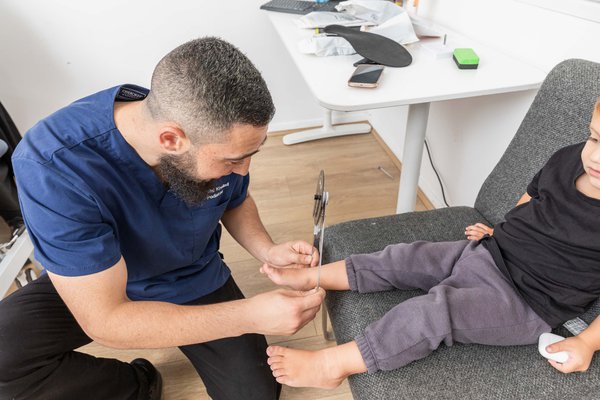
A podiatry assessment considers your child’s growth stage, symptoms, foot posture, walking pattern, activity levels and footwear.
Forefoot Examination
Locates tenderness and assesses big toe joint movement.
Foot Posture & Pressure
Reviews arch height and forefoot loading.
Activity & Sports Review
Dance, sports, training and surfaces.
Footwear Assessment
Checks sole thickness, stiffness and fit.
Referral for Imaging (if needed)
May be considered if a stress fracture is suspected.
Orthotic Therapy & Management for Sesamoid Pain
Management is tailored to your child’s age, activity level, foot posture and goals.
How Orthotic Therapy May Help
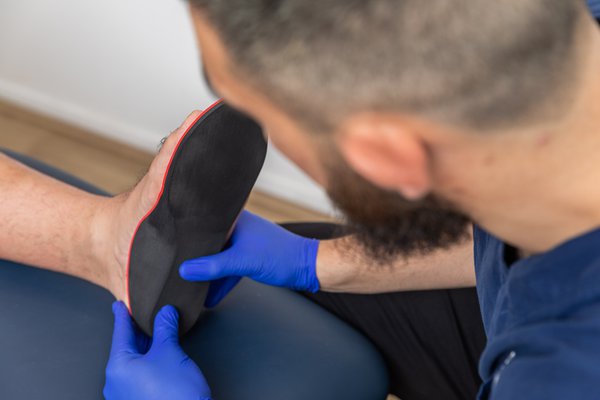
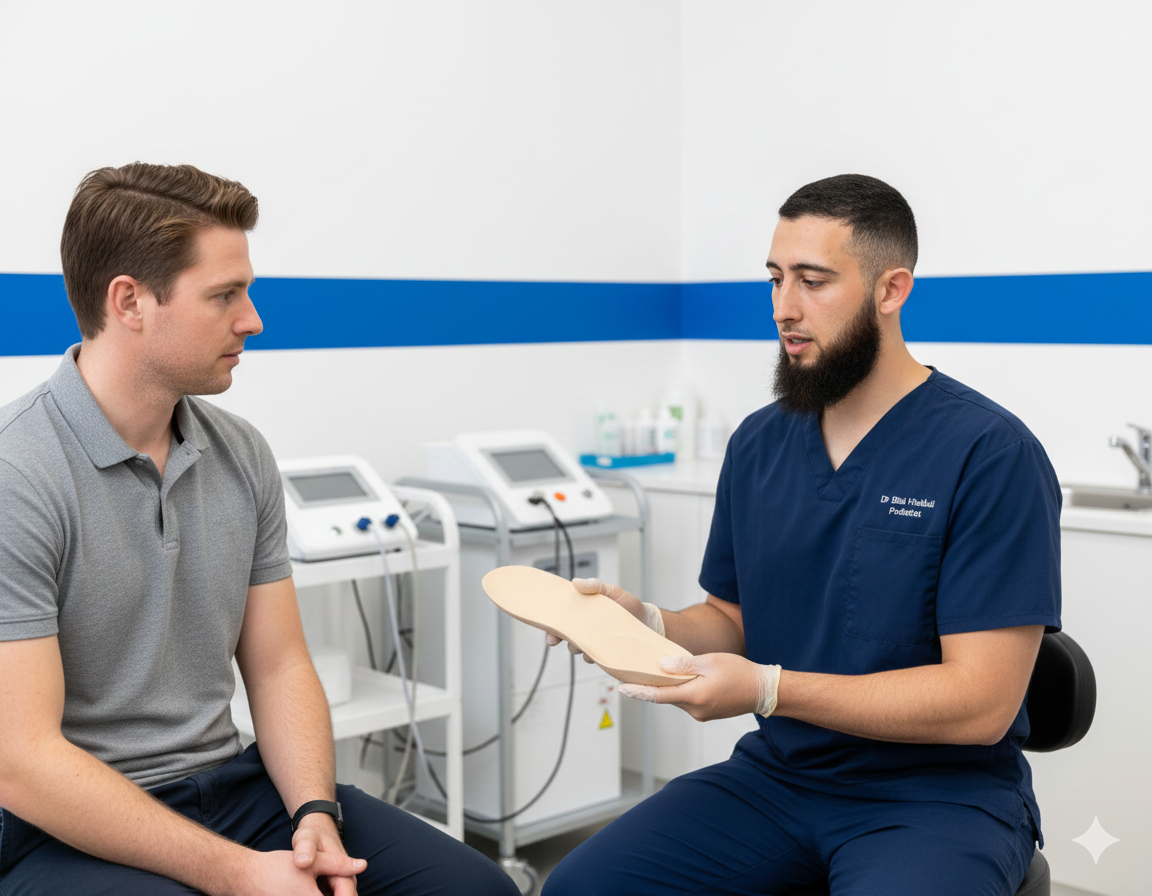
Orthotic therapy is commonly used to offload the sesamoids. Orthoses or insoles may include a cut-out or ‘dancer’s pad’ that transfers pressure away from the big toe joint, along with cushioning materials and features that reduce big toe joint bending.
Offloading is usually combined with footwear that has a firmer, more cushioned sole and a temporary reduction in high-impact activities.
- Orthoses with sesamoid cut-outs or dancer’s padding
- Cushioned forefoot top covers
- Stiffer-soled footwear to limit toe bending
- Temporary felt padding
Orthotic Offloading
May reduce pressure on the sesamoids during activity.
Load Management
Short-term reduction in jumping, sprinting or dance.
Footwear Planning
Cushioned shoes with a firmer sole.
Strapping
Strapping to limit big toe movement may be discussed.
Strengthening Programs
Foot and calf strengthening as symptoms settle.
Graded Return to Sport
A step-by-step plan back to full activity.
Learn more about orthotic therapy, strengthening, stretching and strapping, or view all treatments. Related kids conditions include high arches, foot fatigue in sport, hammer toes, overlapping toes, plantar warts.
When to Seek Assessment
Early offloading can help settle symptoms and reduce time away from sport or dance.
Please seek medical assessment if pain started after an injury, if there is significant swelling or bruising, or if pain persists despite rest, as imaging may be needed.
Sesamoid Pain in Children – Frequently Asked Questions
What causes sesamoid pain in kids?
Repeated pressure under the big toe joint from running, jumping or dance is the most common cause, sometimes combined with high arches or thin-soled shoes.
How do orthotics help sesamoiditis?
Orthoses with a cut-out or padding can transfer pressure away from the sesamoids and reduce pain during activity.
Can sesamoid pain be a fracture?
Sometimes. If pain began suddenly, followed an injury or does not settle, imaging may be recommended.
How long does sesamoiditis take to settle?
It varies. With offloading and load management many children improve over several weeks, but recovery times differ.
Kids Podiatry for Sesamoid Pain in Bankstown
Kid-Friendly Environment
We create a calm, supportive space to help children feel comfortable during assessment.
Orthotic Therapy Options
Where appropriate, prefabricated and custom foot orthoses are discussed based on assessment findings.
Parent-Focused Guidance
We help parents understand what is normal, what may need monitoring, and what can be supported.
Our clinic is located at 1/50 Kitchener Parade, Bankstown, and sees families from across Sydney, including Bankstown, Condell Park, Padstow, Revesby, Lakemba and Belmore. Visit our children’s podiatry page for more kids foot conditions, read about our clinic, or contact the clinic to make an appointment enquiry.
This information is general in nature and is not a substitute for individual assessment and advice. Outcomes vary between children. If you are concerned about your child’s health, please consult your GP or a registered health practitioner.