Hypermobile Feet in Children
Some children have joints that move further than usual, including the joints of the feet. Hypermobile feet are often flexible and flat when standing, and some children experience tiredness, aches or clumsiness. This page explains hypermobile feet and how podiatry care, strengthening and orthotic therapy may help.
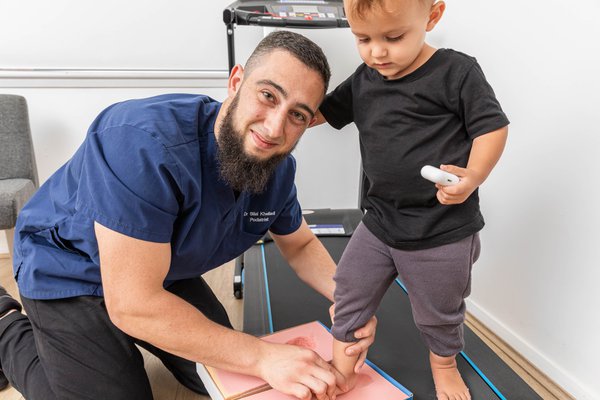
What Is Hypermobile Feet in Children?
Joint hypermobility means joints move beyond the typical range. It is common in children, particularly younger children, and often becomes less noticeable with age. Many hypermobile children have no symptoms at all.
In the feet, hypermobility often shows up as flexible flat feet, ankles that roll inwards and feet that appear to ‘collapse’ when standing. Some children report aching legs after activity, foot fatigue during sport, frequent tripping or reluctance to walk long distances.
Podiatry management focuses on supporting comfort and function through orthotic therapy, footwear advice and strengthening programs that build control around flexible joints.
Signs & Symptoms of Hypermobile Feet in Kids
Children may not always describe symptoms clearly, so parents often notice changes in walking, activity or footwear first. Common signs include:
- Feet that flatten markedly when standing
- Aching feet or legs after activity, sometimes in the evening
- Tiring quickly or wanting to be carried on longer walks
- Clumsiness or frequent tripping
- Ankles that roll inwards, or repeated ankle sprains
- Flexibility in other joints (fingers, elbows, knees)
Common Contributing Factors
- Inherited ligament flexibility (often runs in families)
- Normal developmental flexibility in younger children
- Reduced muscle strength or endurance around flexible joints
- Less commonly, connective tissue conditions that may require medical review
How Hypermobile Feet Is Assessed
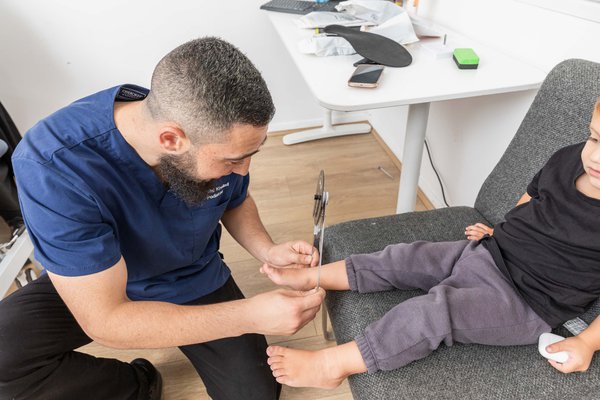
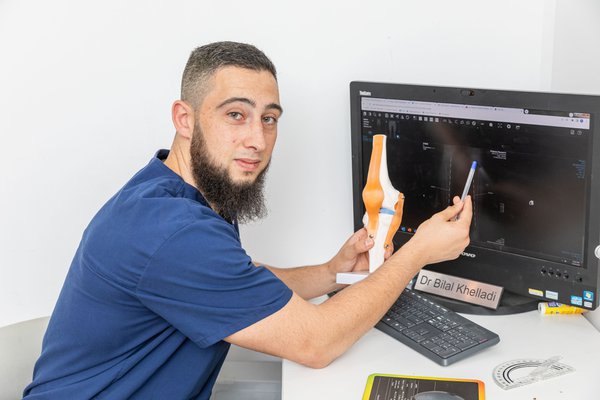
A podiatry assessment considers your child’s growth stage, symptoms, foot posture, walking pattern, activity levels and footwear.
Joint Mobility Screen
A simple screen of joint flexibility, such as the Beighton score.
Foot Posture Assessment
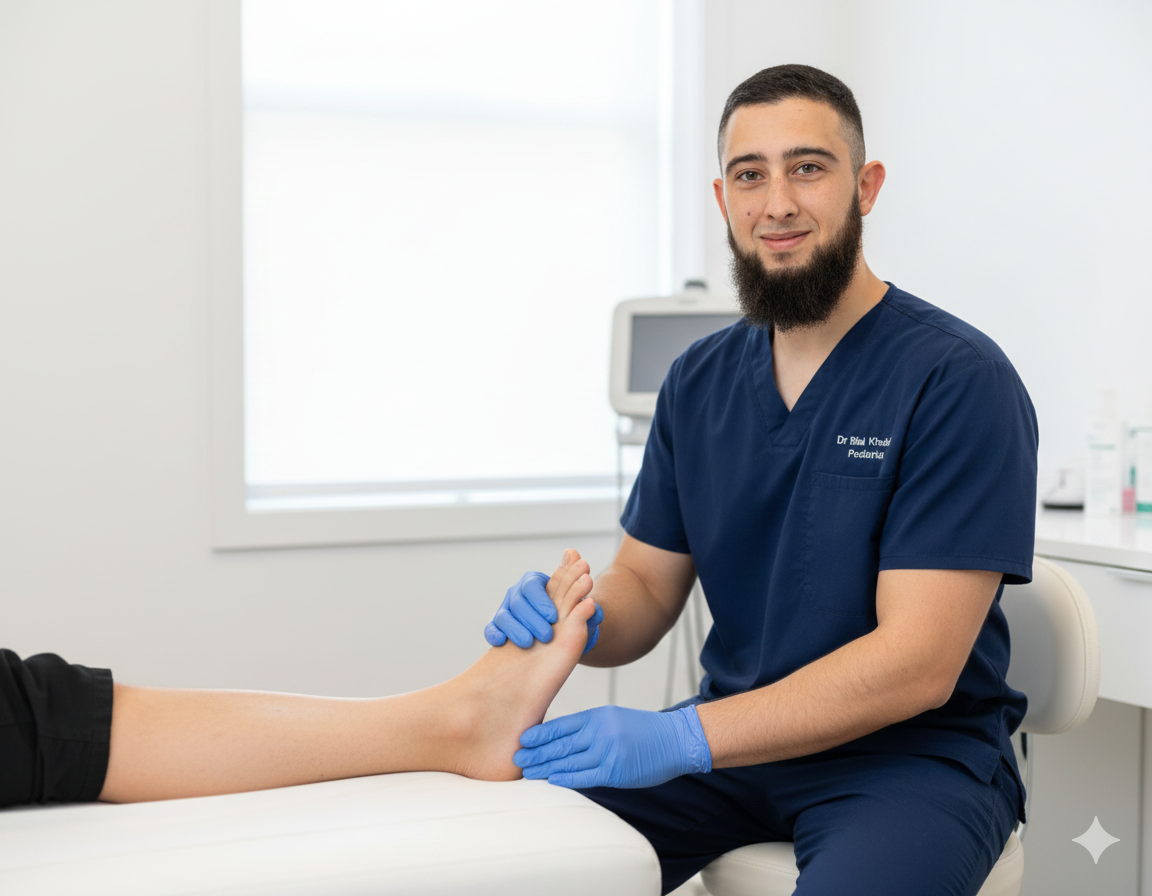
Assesses arch, heel and ankle position when standing and walking.
Gait & Balance Review
Observes walking, running and balance control.
Activity & Fatigue Review
Discusses when symptoms occur and activity levels.
Referral (if needed)
GP or paediatric review if wider symptoms suggest a connective tissue condition.
Orthotic Therapy & Management for Hypermobile Feet
Management is tailored to your child’s age, activity level, foot posture and goals.
How Orthotic Therapy May Help
For hypermobile children with symptoms, orthotic therapy may be considered to provide additional support to flexible foot joints, reduce the work muscles need to do to control the foot, and improve comfort and endurance during daily activities.
Orthoses are typically combined with supportive footwear and a progressive strengthening program, and are reviewed regularly as your child grows and their strength improves.
- Supportive paediatric orthoses
- Custom orthoses where more control is needed
- Stable footwear with a firm heel counter
- Growth-based review schedule
Orthotic Therapy
May be considered to support flexible feet and reduce fatigue.
Strengthening Programs
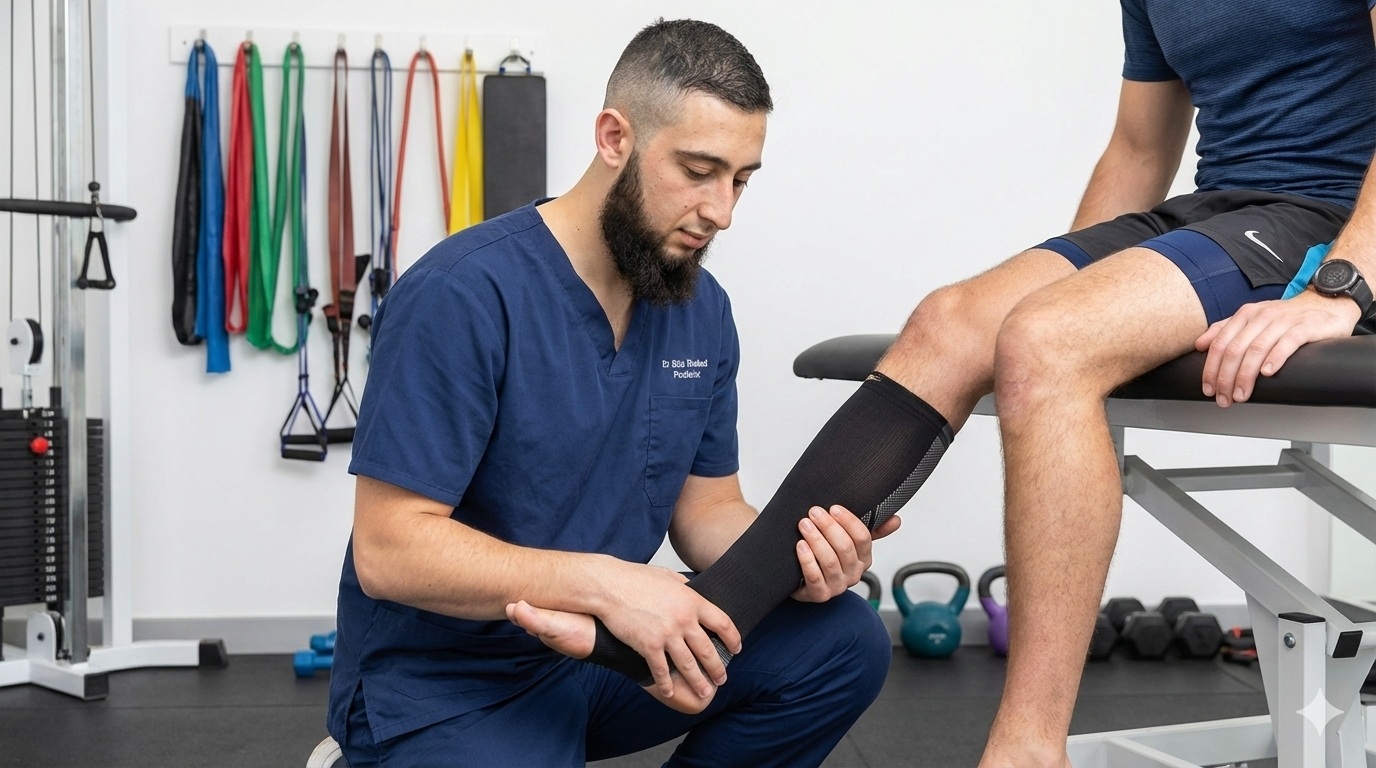
Strength and control exercises for feet, ankles and hips.
Balance & Coordination
Activities to build confidence and stability.
Footwear Planning
Shoes with good structure and secure fastening.
Activity Pacing
Balancing activity with rest to manage fatigue.
Education & Monitoring
Understanding hypermobility and when to seek further advice.
Learn more about orthotic therapy, strengthening, stretching and strapping, or view all treatments. Related kids conditions include flat feet, foot fatigue in sport, frequent tripping, recurrent ankle sprains, growing pains.
When to Seek Assessment
Assessment may help if your child has regular aches, tires quickly, trips often or is avoiding activities they enjoy.
Please see your GP if your child has joint swelling, frequent dislocations, easy bruising, very stretchy skin, or pain that is worsening or affecting sleep.
Hypermobile Feet in Children – Frequently Asked Questions
Is hypermobility normal in kids?
Joint flexibility is common in children and often reduces with age. Many hypermobile children have no symptoms.
Can orthotics help hypermobile feet?
Orthotics may help support flexible feet and reduce fatigue or aching during activity, especially when combined with strengthening.
Should hypermobile children avoid sport?
Usually no. Staying active is encouraged. Strengthening, footwear and load management can help children participate comfortably.
Are hypermobile feet the same as flat feet?
They often occur together. Hypermobile feet tend to flatten when standing because the joints and ligaments are more flexible.
Kids Podiatry for Hypermobile Feet in Bankstown
Kid-Friendly Environment
We create a calm, supportive space to help children feel comfortable during assessment.
Orthotic Therapy Options
Where appropriate, prefabricated and custom foot orthoses are discussed based on assessment findings.
Parent-Focused Guidance
We help parents understand what is normal, what may need monitoring, and what can be supported.
Our clinic is located at 1/50 Kitchener Parade, Bankstown, and sees families from across Sydney, including Bankstown, Condell Park, Padstow, Revesby, Lakemba and Belmore. Visit our children’s podiatry page for more kids foot conditions, read about our clinic, or contact the clinic to make an appointment enquiry.
This information is general in nature and is not a substitute for individual assessment and advice. Outcomes vary between children. If you are concerned about your child’s health, please consult your GP or a registered health practitioner.