Overlapping Toes in Children (Pressure-Related)
Overlapping toes are common in babies and children and are often present from birth. Many cause no problems, but some lead to rubbing, pressure and shoe discomfort. This page explains pressure-related overlapping toes and how padding, footwear and orthotic offloading may help.
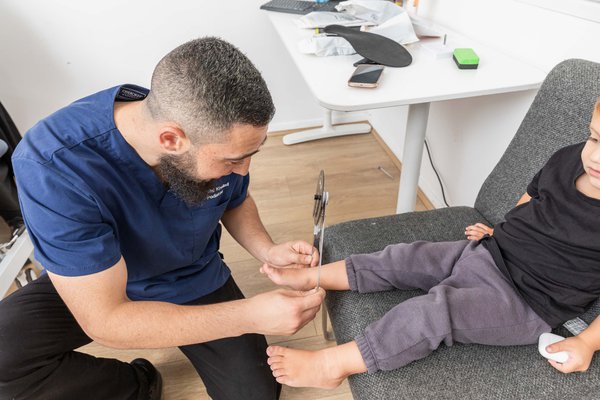
What Is Overlapping Toes in Children?
An overlapping toe sits on top of a neighbouring toe. The most common example in children is an overlapping fifth (little) toe, which is often present from birth and may run in families. Second toes can also ride over the big toe or third toe.
Many overlapping toes cause no symptoms. When they do, it is usually because the toe rubs against the shoe or neighbouring toes, causing redness, blisters, corns, nail irritation or discomfort in footwear. Overlapping toes are often seen alongside hammer or curly toes and can be influenced by foot posture such as flat feet or high arches.
Podiatry care focuses on reducing pressure and friction through footwear advice, protective padding, silicone toe devices and, where forefoot loading contributes, orthotic therapy. Splints and devices may help comfort but may not change the toe’s position long term.
Signs & Symptoms of Overlapping Toes in Kids
Children may not always describe symptoms clearly, so parents often notice changes in walking, activity or footwear first. Common signs include:
- A toe sitting on top of another toe
- Redness, blisters or corns on the top or side of the toe
- Discomfort in closed-in or school shoes
- Nail irritation from shoe pressure
- Avoiding certain shoes or activities
Common Contributing Factors
- Present from birth (congenital), often inherited
- Tight or short soft tissues around the toe
- Tight or narrow footwear increasing pressure
- Foot posture affecting forefoot loading
- Associated toe deformities, such as curly toes
How Overlapping Toes Is Assessed
A podiatry assessment considers your child’s growth stage, symptoms, foot posture, walking pattern, activity levels and footwear.
Toe Examination
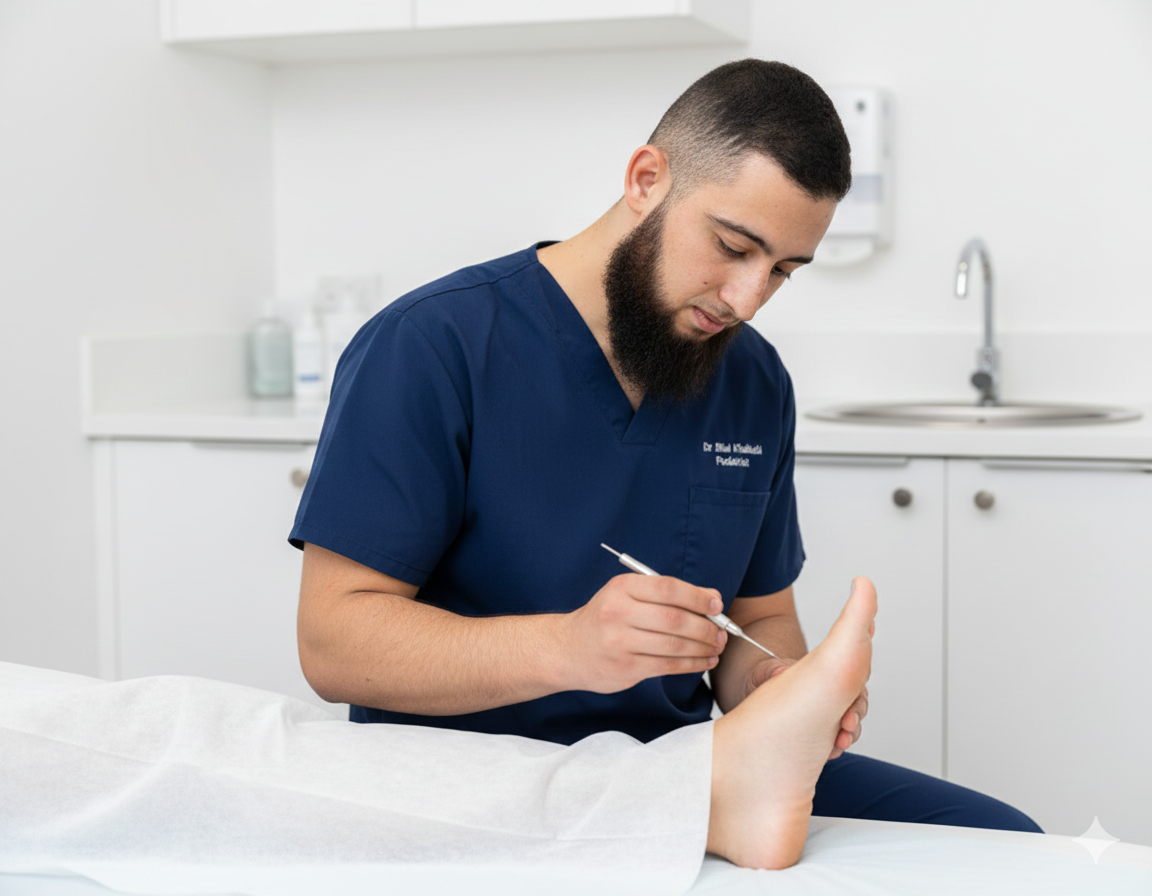
Checks toe position, flexibility and pressure areas.
Foot Posture Assessment
Assesses how forefoot load is distributed.
Footwear Assessment
Checks toe box depth, width and fit.
Growth Review
Considers age and change over time.
Referral (if needed)
Orthopaedic referral if pain persists despite conservative care.
Orthotic Therapy & Management for Overlapping Toes
Management is tailored to your child’s age, activity level, foot posture and goals.
How Orthotic Therapy May Help
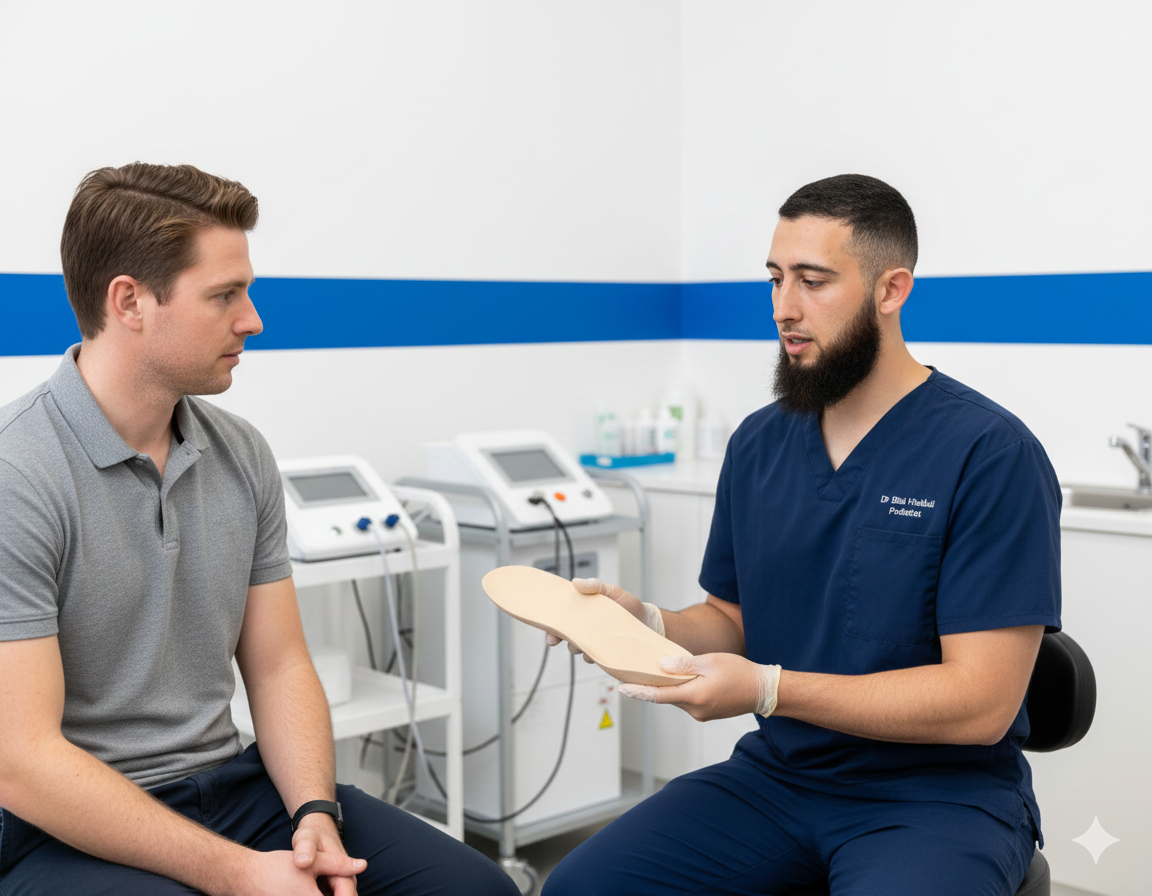
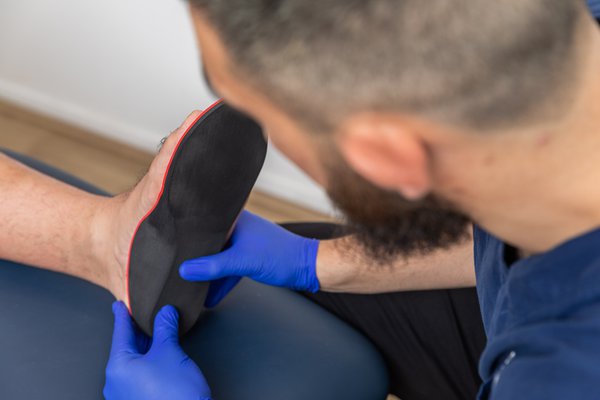
Orthotic therapy and offloading devices aim to reduce pressure on the overlapping toe. Options may include silicone toe separators or props, protective padding and, where forefoot posture increases toe pressure, foot orthoses that help redistribute load.
These devices are designed to improve comfort. They are usually combined with footwear that has adequate toe box depth and width.
- Silicone toe separators and props
- Protective padding and sleeves
- Foot orthoses to redistribute forefoot pressure
- Footwear with a deep, wide toe box
Orthotic & Offloading Devices
May reduce pressure and friction on the overlapping toe.
Footwear Planning
School and sports shoes with enough toe room.
Skin & Nail Care
Management of corns, calluses and nail irritation.
Stretching
Gentle toe stretching may be discussed.
Monitoring
Reviewing toe position and comfort as your child grows.
Surgical Referral
Considered if pain persists despite conservative care.
Learn more about orthotic therapy, strengthening, stretching and strapping, or view all treatments. Related kids conditions include hammer toes, plantar warts, sesamoid pain, high arches, flat feet.
When to Seek Assessment
Assessment may be helpful if your child has pain, blisters or corns, or finds it hard to wear school shoes.
Please see your GP if there are signs of infection (spreading redness, warmth, swelling or discharge), or if toe position changes quickly.
Overlapping Toes in Children – Frequently Asked Questions
Are overlapping toes common in children?
Yes. Overlapping toes, particularly the little toe, are common and are often present from birth.
Will toe separators fix overlapping toes?
Separators and padding may improve comfort but are not expected to permanently change toe position.
Can orthotics help overlapping toes?
Where forefoot loading contributes to pressure, orthoses may help redistribute load, alongside padding and footwear changes.
When is surgery considered?
Surgery may be considered by an orthopaedic surgeon if pain persists despite footwear changes and padding.
Kids Podiatry for Overlapping Toes in Bankstown
Kid-Friendly Environment
We create a calm, supportive space to help children feel comfortable during assessment.
Orthotic Therapy Options
Where appropriate, prefabricated and custom foot orthoses are discussed based on assessment findings.
Parent-Focused Guidance
We help parents understand what is normal, what may need monitoring, and what can be supported.
Our clinic is located at 1/50 Kitchener Parade, Bankstown, and sees families from across Sydney, including Bankstown, Condell Park, Padstow, Revesby, Lakemba and Belmore. Visit our children’s podiatry page for more kids foot conditions, read about our clinic, or contact the clinic to make an appointment enquiry.
This information is general in nature and is not a substitute for individual assessment and advice. Outcomes vary between children. If you are concerned about your child’s health, please consult your GP or a registered health practitioner.