Patellofemoral Pain in Kids & Teens
Patellofemoral pain is pain around or behind the kneecap. It is one of the most common causes of knee pain in active teenagers. This page explains patellofemoral pain and how exercise, footwear and, for some young people, foot orthoses may help.
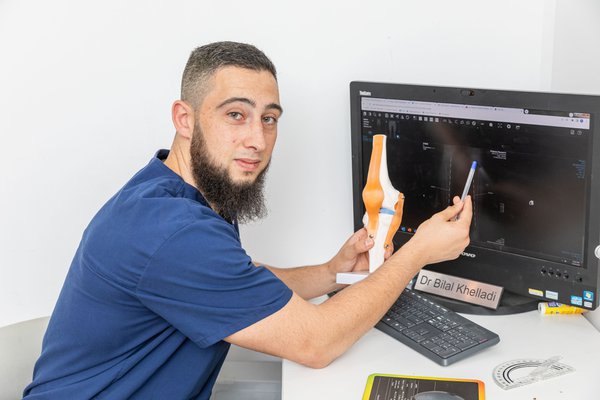
What Is Patellofemoral Pain in Children?
Patellofemoral pain refers to pain at the front of the knee, around or behind the kneecap (patella). It usually builds up gradually and is aggravated by activities that load the knee when bent, such as running, squatting, stairs, jumping and sitting for long periods.
It is common in adolescents, particularly girls and those involved in running and jumping sports. Contributing factors can include training load, hip and thigh strength and foot posture. It is different from Osgood-Schlatter disease, which causes pain below the kneecap.
Exercise therapy targeting the hip and knee is the main component of management. Research in adults suggests prefabricated foot orthoses may reduce knee pain in the short term for some people, particularly those with a more pronated foot posture, so orthotic therapy may be considered as part of the plan.
Signs & Symptoms of Patellofemoral Pain in Kids
Children may not always describe symptoms clearly, so parents often notice changes in walking, activity or footwear first. Common signs include:
- Aching pain around or behind the kneecap
- Pain with stairs, squatting, running or jumping
- Pain after sitting with knees bent for long periods
- Pain that builds up gradually rather than after an injury
Common Contributing Factors
- Increases in running, jumping or training load
- Reduced hip and thigh strength
- Foot posture such as flat feet affecting lower-limb alignment
- Growth-related changes in muscle flexibility
- Footwear and training surfaces
How Patellofemoral Pain Is Assessed
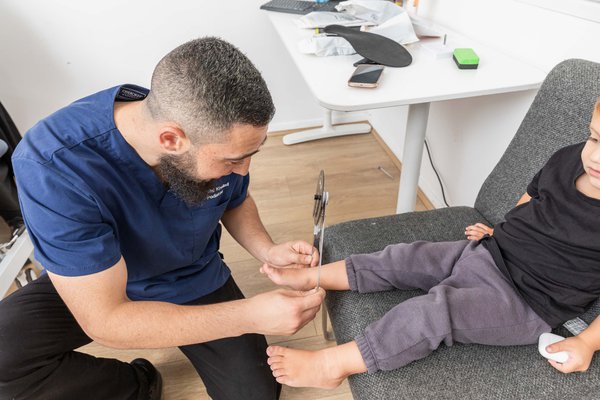
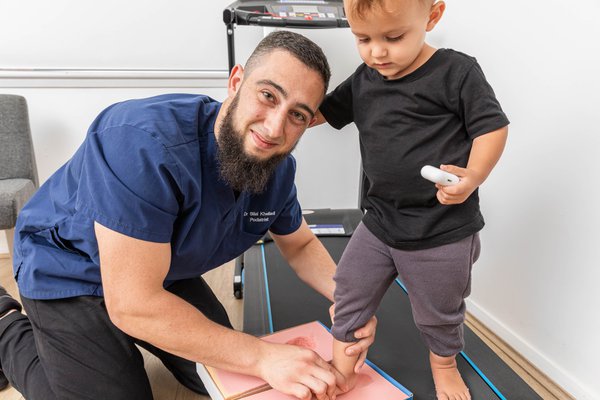
A podiatry assessment considers your child’s growth stage, symptoms, foot posture, walking pattern, activity levels and footwear.
Lower-Limb & Gait Assessment
Assesses foot, knee and hip mechanics during movement.
Knee Examination
Screens knee function and symptom behaviour.
Strength & Control Testing
Hip and thigh strength and single-leg control.
Activity & Load Review
Sport, training and footwear.
Referral (if needed)
Medical or physiotherapy input as appropriate.
Orthotic Therapy & Management for Patellofemoral Pain
Management is tailored to your child’s age, activity level, foot posture and goals.
How Orthotic Therapy May Help
Where foot posture is thought to contribute, orthotic therapy may be trialled to influence how the foot and lower leg move and to reduce knee pain during activity. Research in adults has found prefabricated foot orthoses can provide short-term improvement for some people. Evidence in adolescents is more limited, so orthoses are used as part of a broader plan.
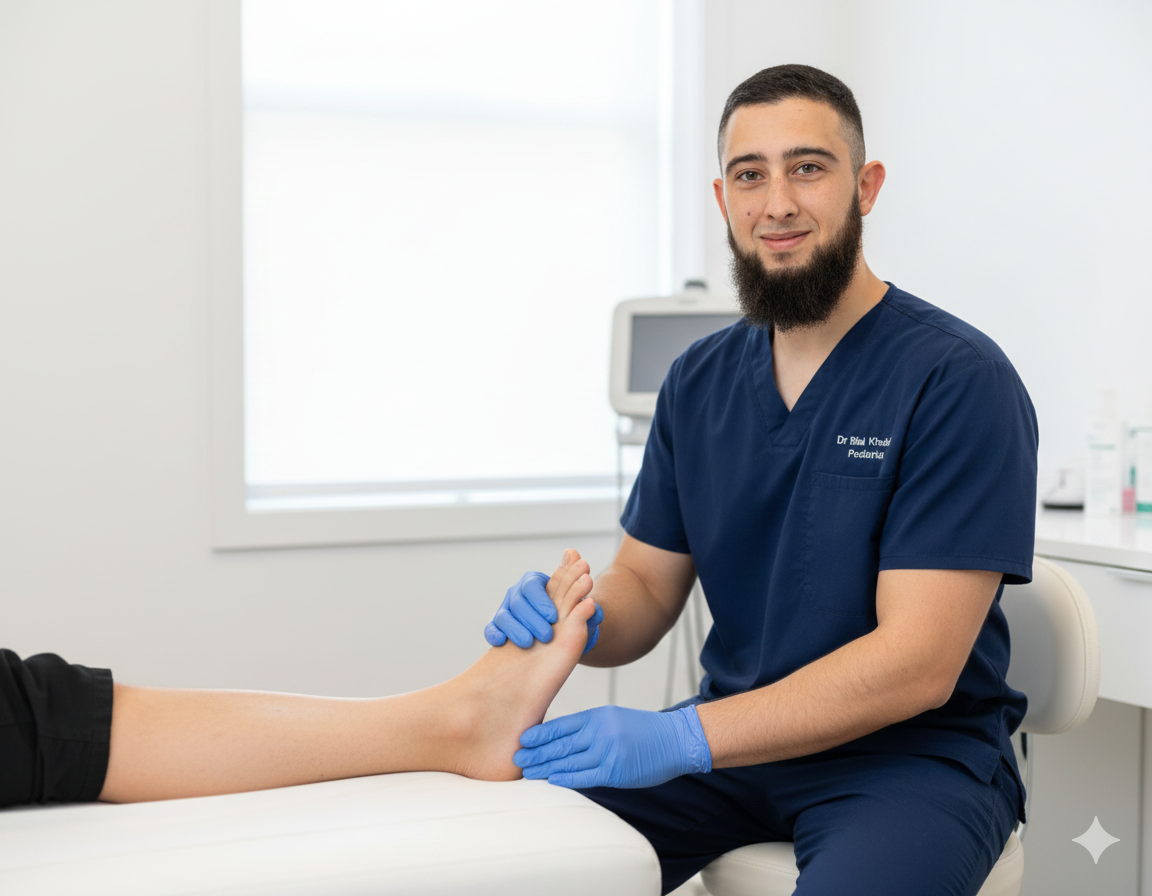
A podiatrist may assess whether orthoses change symptoms during movement tests before recommending them.
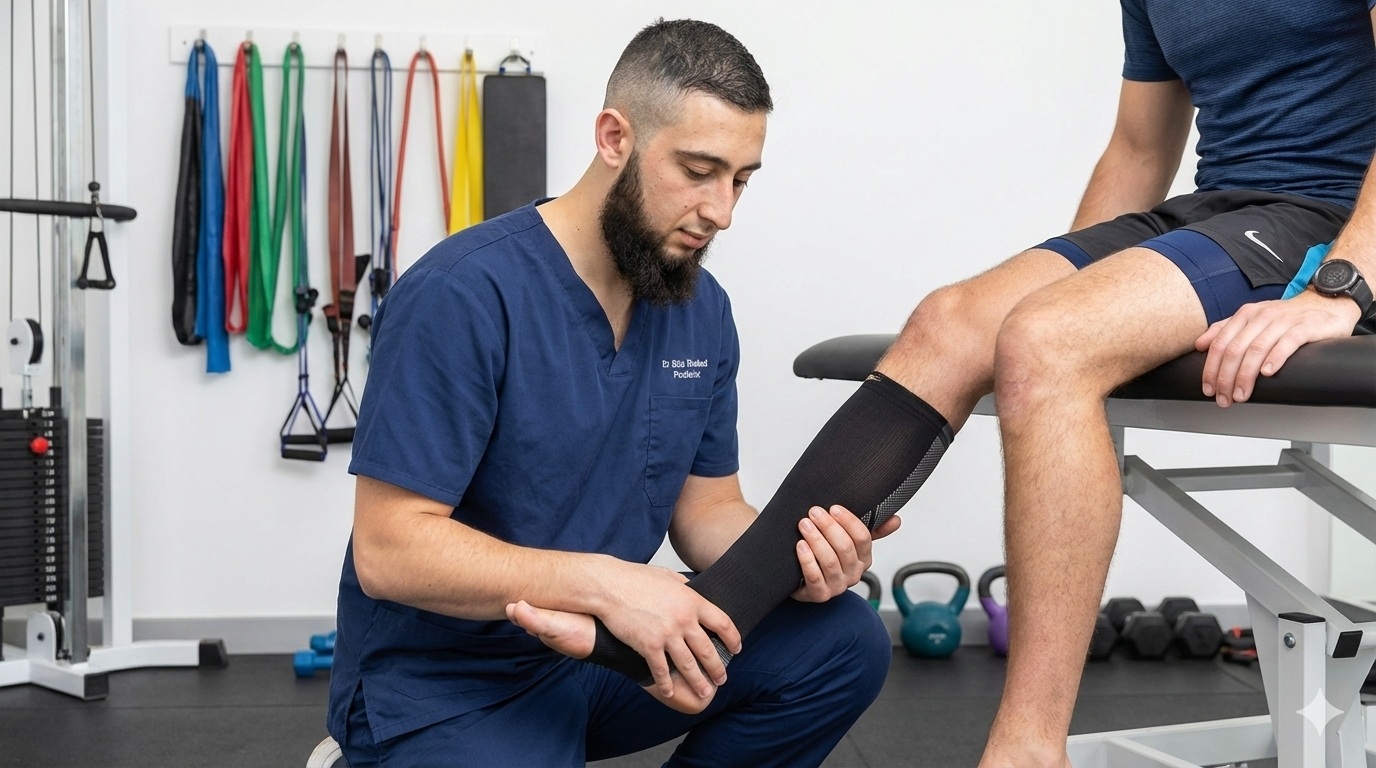
- Prefabricated foot orthoses (often trialled first)
- Custom orthoses if needed
- Supportive footwear
- Combination with hip and knee exercise
Exercise Therapy
Hip and knee strengthening – the main component of care.
Orthotic Therapy
May be considered where foot posture contributes to symptoms.
Load Management
Adjusting aggravating activities and building up gradually.
Footwear Planning
Supportive, well-fitted sports shoes.
Stretching Programs
Flexibility work for tight muscles.
Education
Understanding pain and how to stay active.
Learn more about orthotic therapy, strengthening, stretching and strapping, or view all treatments. Related kids conditions include Osgood-Schlatter Disease, flat feet, shin splints, foot fatigue in sport, hypermobile feet.
When to Seek Assessment
Assessment can help identify contributing factors and create a plan to keep your child active.
Please see your GP if knee pain follows an injury, if the knee locks, gives way or swells, if pain is present at night, or if your child is limping. Hip problems can refer pain to the knee, so persistent knee pain with a limp should be checked promptly.
Patellofemoral Pain in Children – Frequently Asked Questions
What is patellofemoral pain?
Pain around or behind the kneecap, often aggravated by stairs, squatting, running or sitting with bent knees.
Can orthotics help knee pain?
Research in adults suggests foot orthoses may help some people in the short term. They are used alongside exercise therapy.
Is it the same as Osgood-Schlatter disease?
No. Osgood-Schlatter disease causes pain below the kneecap at the top of the shin bone.
Should my child keep playing sport?
Often yes, with modified load guided by symptoms and a structured exercise program.
Kids Podiatry for Patellofemoral Pain in Bankstown
Kid-Friendly Environment
We create a calm, supportive space to help children feel comfortable during assessment.
Orthotic Therapy Options
Where appropriate, prefabricated and custom foot orthoses are discussed based on assessment findings.
Parent-Focused Guidance
We help parents understand what is normal, what may need monitoring, and what can be supported.
Our clinic is located at 1/50 Kitchener Parade, Bankstown, and sees families from across Sydney, including Bankstown, Condell Park, Padstow, Revesby, Lakemba and Belmore. Visit our children’s podiatry page for more kids foot conditions, read about our clinic, or contact the clinic to make an appointment enquiry.
This information is general in nature and is not a substitute for individual assessment and advice. Outcomes vary between children. If you are concerned about your child’s health, please consult your GP or a registered health practitioner.