Foot Fatigue During Sport in Children
Some children complain of tired, aching feet during or after sport, or want to stop playing earlier than their teammates. This page outlines common reasons for foot fatigue in active children and how footwear, strengthening and orthotic therapy may help them enjoy sport more comfortably.
What Is Foot Fatigue in Sport in Children?
Foot fatigue describes tired, aching or heavy-feeling feet and lower legs during or after activity. It is common during growth spurts, at the start of a new sports season and when training increases.
Contributing factors often include foot posture such as flat feet or hypermobile feet, which make the muscles work harder to control the foot, high arches that concentrate pressure, unsupportive or ill-fitting footwear (including football boots), hard surfaces and training load.
Foot fatigue can sometimes be an early sign of overload conditions such as Sever’s disease, shin splints or tibialis posterior strain. Management may include footwear changes, strengthening, training adjustments and orthotic therapy.
Signs & Symptoms of Foot Fatigue in Sport in Kids
Children may not always describe symptoms clearly, so parents often notice changes in walking, activity or footwear first. Common signs include:
- Tired, aching feet or legs during or after sport
- Wanting to sit out or stop earlier than teammates
- Arch or heel discomfort after training
- Changes in running style when tired
- Reluctance to wear sports boots or shoes
Common Contributing Factors
- Flat or hypermobile feet
- High-arched feet
- Unsupportive, worn or poorly fitting sports footwear
- Rapid growth and changes in flexibility
- Increases in training or multiple sports
- Reduced foot and leg strength or endurance
How Foot Fatigue in Sport Is Assessed
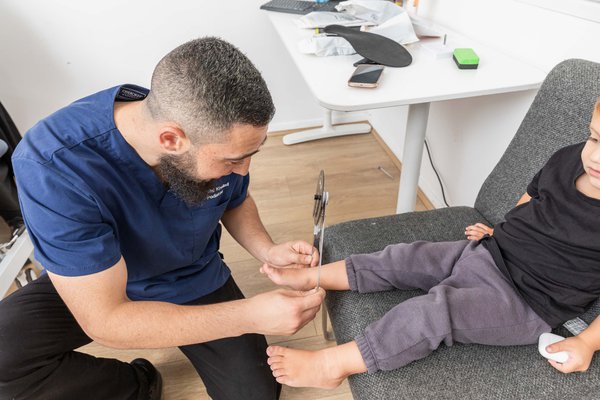
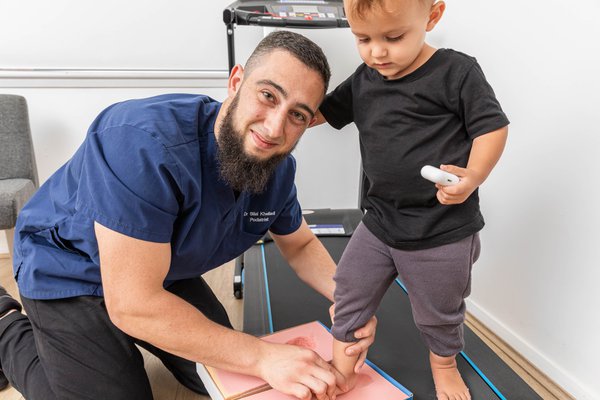
A podiatry assessment considers your child’s growth stage, symptoms, foot posture, walking pattern, activity levels and footwear.
Running & Gait Analysis
Observes foot mechanics during running and sport movements.
Foot Posture Assessment
Identifies flat, hypermobile or high-arched feet.
Sports Footwear Assessment
Boots, runners and court shoes.
Strength & Endurance Testing
Calf and foot endurance checks.
Training Load Review
Sessions per week, surfaces and seasons.
Orthotic Therapy & Management for Foot Fatigue in Sport
Management is tailored to your child’s age, activity level, foot posture and goals.
How Orthotic Therapy May Help
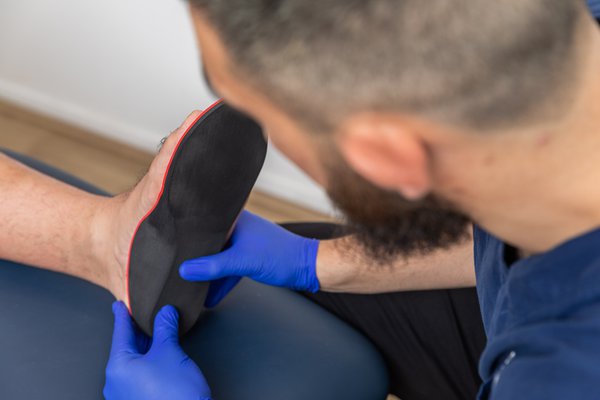
Where foot posture increases the work of the foot and leg muscles, orthotic therapy may help support the foot, reduce muscle workload and improve comfort, so children can participate for longer.
Orthoses need to fit the child’s sports footwear, and slimmer designs may be used for football boots. They are combined with footwear advice and a strength and endurance program.
- Sport-specific orthoses (including for boots)
- Prefabricated or custom options
- Sports footwear advice
- Growth-based review
Orthotic Therapy
May reduce muscle workload and improve comfort during sport.
Sports Footwear Planning
Boots and runners suited to your child’s feet and sport.
Strengthening Programs
Load Management
Balancing training, games and rest days.
Stretching Programs
Stretching during growth spurts.
Education
Recognising early signs of overload.
Learn more about orthotic therapy, strengthening, stretching and strapping, or view all treatments. Related kids conditions include flat feet, hypermobile feet, Sever’s Disease, shin splints, tibialis posterior strain.
When to Seek Assessment
An assessment can help if your child regularly complains of tired or sore feet, or is losing enjoyment in sport.
Please see your GP if foot or leg pain is severe, present at night or at rest, causes limping, or occurs with swelling, redness, fever or unexplained tiredness.
Foot Fatigue in Sport in Children – Frequently Asked Questions
Is it normal for kids’ feet to get tired during sport?
Some tiredness is normal, but frequent aching or wanting to stop early may be worth assessing.
Can orthotics help tired feet?
Where foot posture increases muscle workload, orthoses may help support the foot and improve comfort.
Can orthotics fit in football boots?
Slimmer orthotic designs can often be used in football boots, depending on the boot and the child’s foot.
What are the best sports shoes for kids?
Shoes should suit the sport, fit correctly and provide appropriate support. A podiatrist can advise based on your child’s feet.
Kids Podiatry for Foot Fatigue in Sport in Bankstown
Kid-Friendly Environment
We create a calm, supportive space to help children feel comfortable during assessment.
Orthotic Therapy Options
Where appropriate, prefabricated and custom foot orthoses are discussed based on assessment findings.
Parent-Focused Guidance
We help parents understand what is normal, what may need monitoring, and what can be supported.
Our clinic is located at 1/50 Kitchener Parade, Bankstown, and sees families from across Sydney, including Bankstown, Condell Park, Padstow, Revesby, Lakemba and Belmore. Visit our children’s podiatry page for more kids foot conditions, read about our clinic, or contact the clinic to make an appointment enquiry.
This information is general in nature and is not a substitute for individual assessment and advice. Outcomes vary between children. If you are concerned about your child’s health, please consult your GP or a registered health practitioner.
.png)