Plantar Heel Pain in Children
Heel pain is a common reason children and teenagers see a podiatrist. Pain under the heel may relate to growth, the plantar fascia, the heel fat pad or activity load. This page explains plantar heel pain in children and how orthotic therapy, footwear and activity changes may help.
.png)
What Is Plantar Heel Pain in Children?
Plantar heel pain refers to pain under the heel. In younger, active children the most common cause of heel pain is Sever’s disease, which affects the growth plate at the back and sides of the heel. In teenagers whose growth plates are maturing, heel pain may relate to the plantar fascia (plantar fasciopathy), the heel fat pad or overload from sport.
Heel pain can be influenced by footwear, hard training surfaces, increases in activity and foot posture, such as flat feet or high arches. For information on heel pain in adults, see our plantar heel pain and plantar fasciitis pages.
Management usually combines load management, orthotic therapy, footwear advice and stretching and strengthening programs.
Signs & Symptoms of Plantar Heel Pain in Kids
Children may not always describe symptoms clearly, so parents often notice changes in walking, activity or footwear first. Common signs include:
- Pain under the heel when standing or walking
- Pain with the first steps in the morning or after sitting
- Pain during or after running and jumping
- Limping or walking on toes to avoid heel pressure
- Tenderness under or around the heel
Common Contributing Factors
- Growth-related heel irritation (Sever’s disease)
- Plantar fascia overload in teenagers
- Increases in sport, training or walking
- Worn, flat or unsupportive footwear, including some school shoes
- Foot posture factors and tight calf muscles
How Plantar Heel Pain Is Assessed
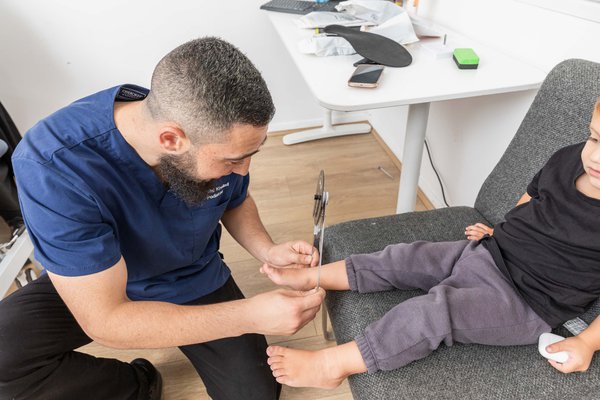
A podiatry assessment considers your child’s growth stage, symptoms, foot posture, walking pattern, activity levels and footwear.
Heel Examination
Identifies where the pain is located and which structures are involved.
Growth & Development Review
Considers age and growth stage.
Foot Posture & Gait
Assesses foot mechanics and walking and running patterns.
Activity & Footwear Review
School, sport, surfaces and footwear.
Referral (if needed)
Imaging or medical review if pain is unusual or persistent.
Orthotic Therapy & Management for Plantar Heel Pain
Management is tailored to your child’s age, activity level, foot posture and goals.
How Orthotic Therapy May Help
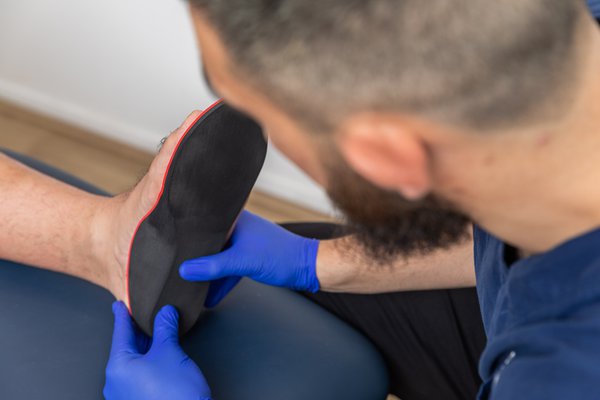
Orthotic therapy may be considered to cushion the heel, support the arch and reduce strain on the plantar fascia and heel growth plate. Heel cups and heel raises are often used for younger children, while teenagers may benefit from prefabricated or custom foot orthoses.
Orthoses are chosen according to your child’s age, foot posture, footwear and sport, and are reviewed as symptoms improve.
- Heel cups and cushioned heel raises
- Prefabricated arch-supporting orthoses
- Custom foot orthoses where needed
- Footwear with good heel cushioning
Orthotic Therapy
May help cushion the heel and reduce strain on painful structures.
Load Management
Adjusting sport and activity while symptoms settle.
Stretching Programs
Strengthening Programs
Footwear Planning
Supportive school and sports shoes.
Soft Tissue Therapy
Soft tissue therapy may be discussed for older children and teenagers.
Learn more about orthotic therapy, strengthening, stretching and strapping, or view all treatments. Related kids conditions include Sever’s Disease, foot apophysitis, flat feet, high arches, foot fatigue in sport.
When to Seek Assessment
Assessment can help identify the likely cause of heel pain and support your child to stay active.
Please see your GP if heel pain wakes your child at night, is present at rest, is accompanied by swelling, redness or fever, or follows an injury.
Plantar Heel Pain in Children – Frequently Asked Questions
What is the most common cause of heel pain in kids?
In active children aged around 8 to 14, Sever’s disease is the most common cause of heel pain.
Can children get plantar fasciitis?
It is less common in younger children but can occur in teenagers, particularly those who are very active or have recently increased activity.
Can orthotics help heel pain in children?
Heel cups, heel raises and foot orthoses may help reduce heel pain as part of a management plan.
Should my child stop sport with heel pain?
Not always. Modifying training load and footwear often allows continued participation.
Kids Podiatry for Plantar Heel Pain in Bankstown
Kid-Friendly Environment
We create a calm, supportive space to help children feel comfortable during assessment.
Orthotic Therapy Options
Where appropriate, prefabricated and custom foot orthoses are discussed based on assessment findings.
Parent-Focused Guidance
We help parents understand what is normal, what may need monitoring, and what can be supported.
Our clinic is located at 1/50 Kitchener Parade, Bankstown, and sees families from across Sydney, including Bankstown, Condell Park, Padstow, Revesby, Lakemba and Belmore. Visit our children’s podiatry page for more kids foot conditions, read about our clinic, or contact the clinic to make an appointment enquiry.
This information is general in nature and is not a substitute for individual assessment and advice. Outcomes vary between children. If you are concerned about your child’s health, please consult your GP or a registered health practitioner.