Apophysitis of the Foot in Children (incl. Iselin’s Disease)
Apophysitis is irritation of a growth plate where a tendon attaches to bone. In the foot, it most often affects the heel (Sever’s disease) and the outside of the foot (Iselin’s disease). This page explains foot apophysitis in growing children and how orthotic therapy and activity changes may help.
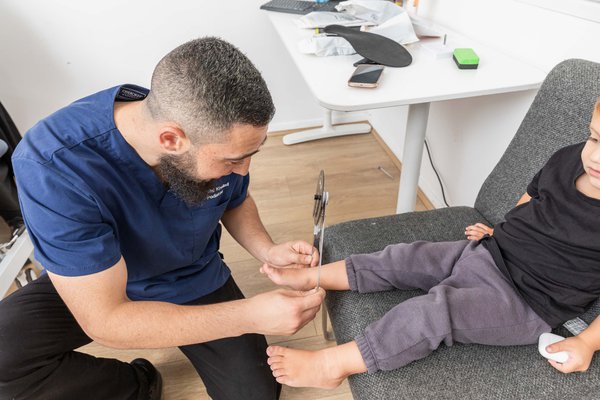
What Is Foot Apophysitis in Children?
An apophysis is a growth plate that acts as an attachment point for a tendon. During growth, repeated pulling from the tendon during sport can irritate the area, causing pain known as traction apophysitis. It is common in active children and usually settles once growth is complete.
The two most common types in the foot are Sever’s disease at the back of the heel, and Iselin’s disease at the base of the fifth metatarsal on the outer edge of the foot, where the peroneus brevis tendon attaches. Iselin’s disease is less common and often occurs in children around 9 to 14 years of age who play running, jumping and cutting sports.
Similar growth-plate irritation can occur at the knee in Osgood-Schlatter disease. Management focuses on reducing load on the irritated area, with orthotic therapy, footwear changes and activity modification commonly discussed.
Signs & Symptoms of Foot Apophysitis in Kids
Children may not always describe symptoms clearly, so parents often notice changes in walking, activity or footwear first. Common signs include:
- Pain on the outer edge of the midfoot (Iselin’s) or back of the heel (Sever’s)
- Tenderness or a prominent bump over the painful area
- Pain with running, jumping, changing direction or on tiptoes
- Limping after sport
- Symptoms that increase during growth spurts or busy sports seasons
Common Contributing Factors
- Repetitive pulling of tendons on growth plates during sport
- Rapid growth with muscle tightness
- Foot posture factors, such as high arches or a foot that rolls outwards
- Recurrent ankle rolling (ankle sprains)
- Tight or poorly fitting footwear pressing on the area
How Foot Apophysitis Is Assessed
A podiatry assessment considers your child’s growth stage, symptoms, foot posture, walking pattern, activity levels and footwear.
Growth & Development Review
Considers age, growth stage and sports involvement.
Clinical Examination
Identifies the location of tenderness and aggravating movements.
Foot Posture & Gait
Assesses how load is distributed through the foot.
Sports Load Review
Training volume, surfaces and footwear.
Referral for Imaging (if needed)
May be considered to rule out a fracture after an injury.
Orthotic Therapy & Management for Foot Apophysitis
Management is tailored to your child’s age, activity level, foot posture and goals.
How Orthotic Therapy May Help
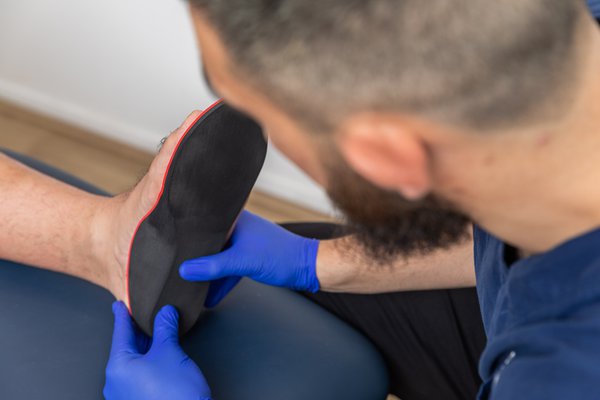
Orthotic therapy may be considered to reduce load on the irritated growth plate. For Iselin’s disease, orthoses may be designed to reduce excessive pressure and strain along the outer foot; for Sever’s disease, heel raises and cushioning are often used.
Orthoses work best alongside footwear changes, short-term load reduction and a graded return to sport.
- Custom or prefabricated foot orthoses
- Heel raises for heel apophysitis
- Padding to reduce shoe pressure over a prominent area
- Footwear with adequate width and cushioning
Orthotic Therapy
May help reduce strain on the growth plate during activity.
Load Management
Temporarily reducing aggravating activities, then gradual return.
Stretching Programs
Stretching for tight calf and lower-leg muscles.
Strengthening Programs
Progressive strengthening once pain settles.
Footwear Planning
Shoes and boots that do not press on sore areas.
Strapping
Strapping may be discussed for short-term support.
Learn more about orthotic therapy, strengthening, stretching and strapping, or view all treatments. Related kids conditions include Sever’s Disease, Osgood-Schlatter Disease, recurrent ankle sprains, high arches, plantar heel pain.
When to Seek Assessment
Assessment can help confirm the likely cause of pain and plan a return to sport.
Please see your GP or seek medical care if pain follows a fall or twisting injury, if there is significant swelling or bruising, if your child cannot bear weight, or if pain is present at night.
Foot Apophysitis in Children – Frequently Asked Questions
What is Iselin’s disease?
Iselin’s disease is a traction apophysitis at the base of the fifth metatarsal on the outside of the foot. It is a growth-related condition seen in active children.
Is apophysitis permanent?
No. Apophysitis generally settles once the growth plate matures, although symptoms can come and go during growth.
Can orthotics help foot apophysitis?
Orthoses and heel raises may help reduce load on the irritated growth plate as part of a broader management plan.
How is it different from a fracture?
A fracture usually follows a specific injury with sudden pain and swelling. If an injury has occurred, medical assessment and imaging may be needed.
Kids Podiatry for Foot Apophysitis in Bankstown
Kid-Friendly Environment
We create a calm, supportive space to help children feel comfortable during assessment.
Orthotic Therapy Options
Where appropriate, prefabricated and custom foot orthoses are discussed based on assessment findings.
Parent-Focused Guidance
We help parents understand what is normal, what may need monitoring, and what can be supported.
Our clinic is located at 1/50 Kitchener Parade, Bankstown, and sees families from across Sydney, including Bankstown, Condell Park, Padstow, Revesby, Lakemba and Belmore. Visit our children’s podiatry page for more kids foot conditions, read about our clinic, or contact the clinic to make an appointment enquiry.
This information is general in nature and is not a substitute for individual assessment and advice. Outcomes vary between children. If you are concerned about your child’s health, please consult your GP or a registered health practitioner.
.png)