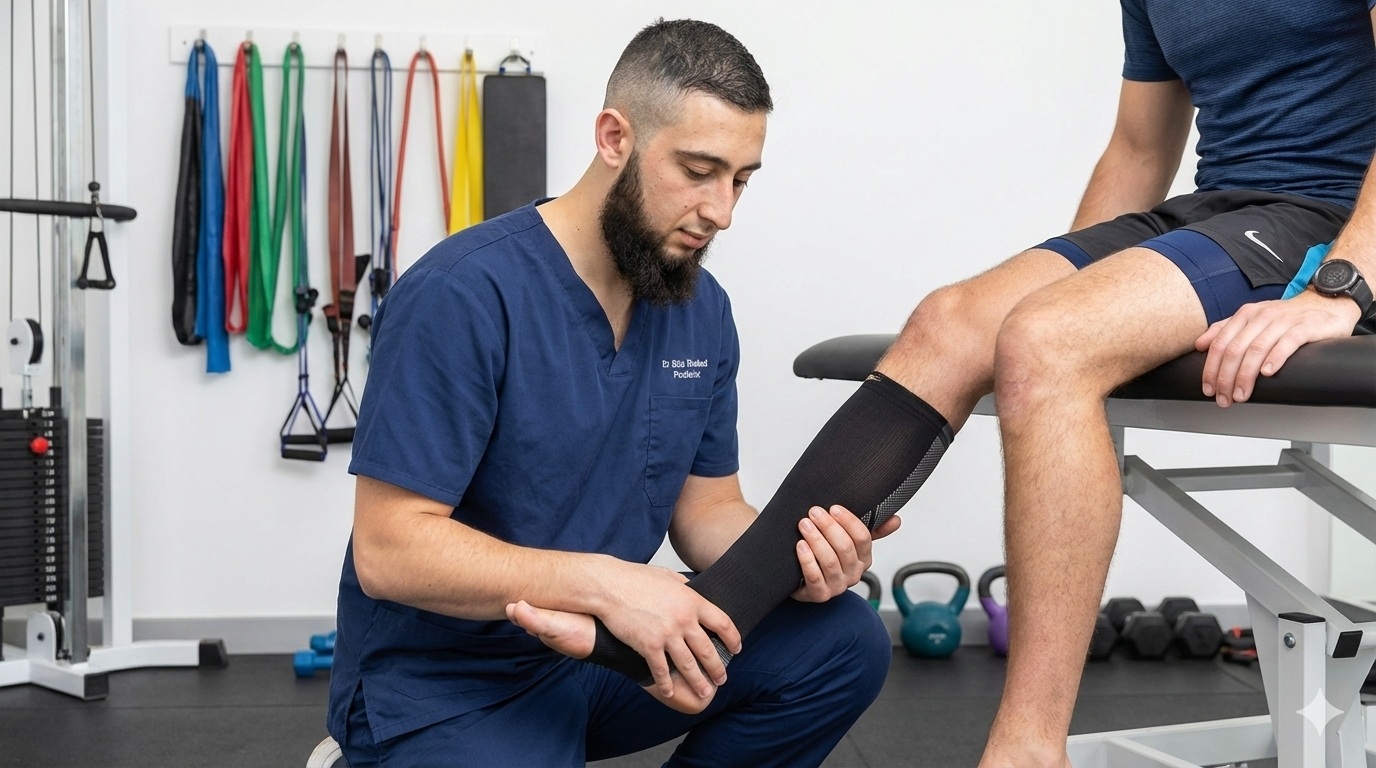
Severs Disease (Heel Pain in Children)
Severs disease (calcaneal apophysitis) is one of the most common causes of heel pain in kids, particularly in active children aged 8–14. It often appears during growth spurts and is commonly linked with running and jumping sports. This page provides general information about Severs disease and outlines podiatry management options such as load modification, stretching, footwear advice and orthotic therapy.
.png)
What is Severs disease?
Severs disease (calcaneal apophysitis) is a growth‑related condition affecting the heel in active children. It occurs when the heel bone grows faster than the surrounding muscles and tendons, creating tension at the growth plate. This tension can lead to heel pain, especially during running, jumping or sport.
Severs disease is a common cause of heel pain in children. It often appears during growth spurts and may be influenced by activity levels, calf tightness, foot posture and footwear choices. Children involved in sports such as soccer, basketball, athletics and netball may be more likely to experience symptoms.
Heel pain in kids can sometimes occur alongside other conditions such as Achilles tendonitis, ankle sprains and sports‑related foot and ankle conditions. A podiatry consultation can help differentiate between these and discuss management options.
Common symptoms of Severs disease
Symptoms can vary depending on activity levels and growth stage. Commonly reported features include:
- Heel pain during sport – often worse with running and jumping.
- Pain at the back of the heel – near the Achilles tendon attachment.
- Limping after activity – some children may avoid putting full pressure on the heel.
- Heel tenderness – discomfort when squeezing the sides of the heel.
- Tight calves – reduced flexibility during growth spurts.
- Pain improving with rest – symptoms often settle when activity is reduced.
How Severs disease is diagnosed
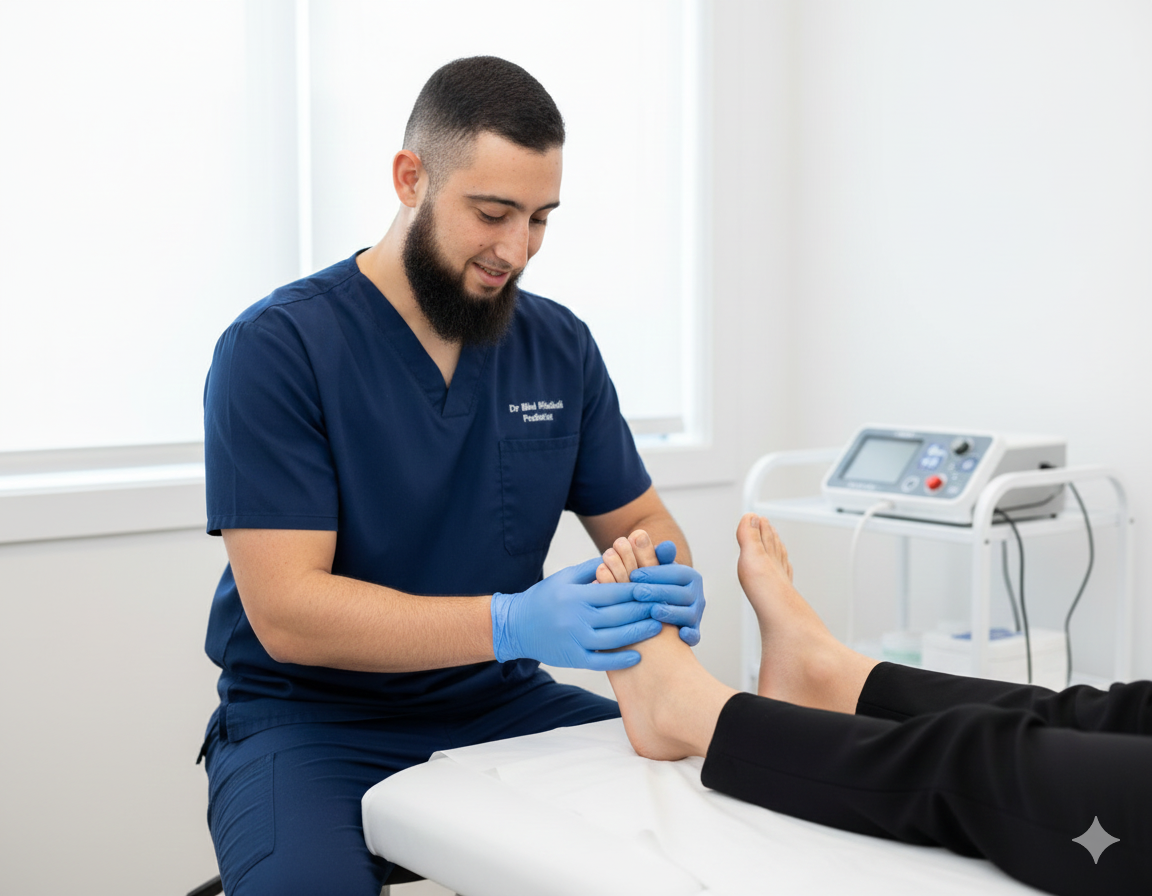
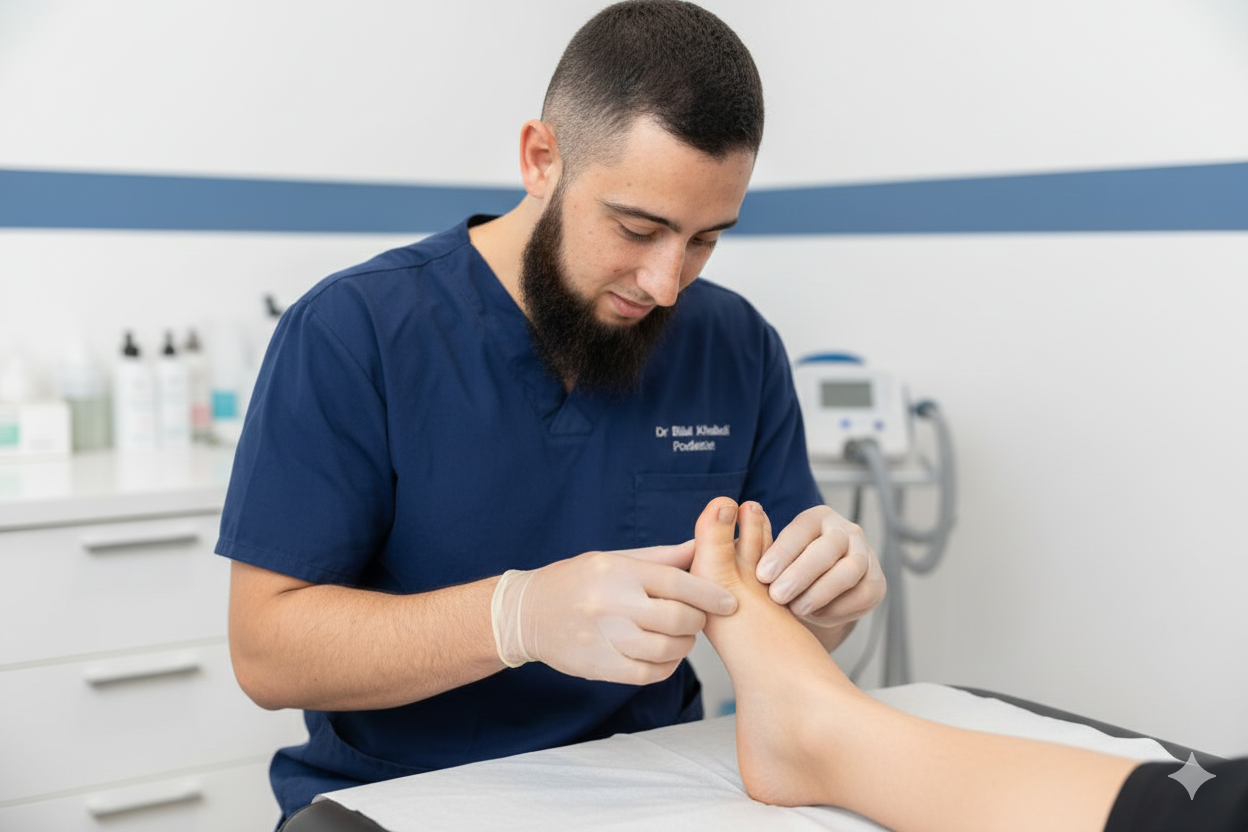
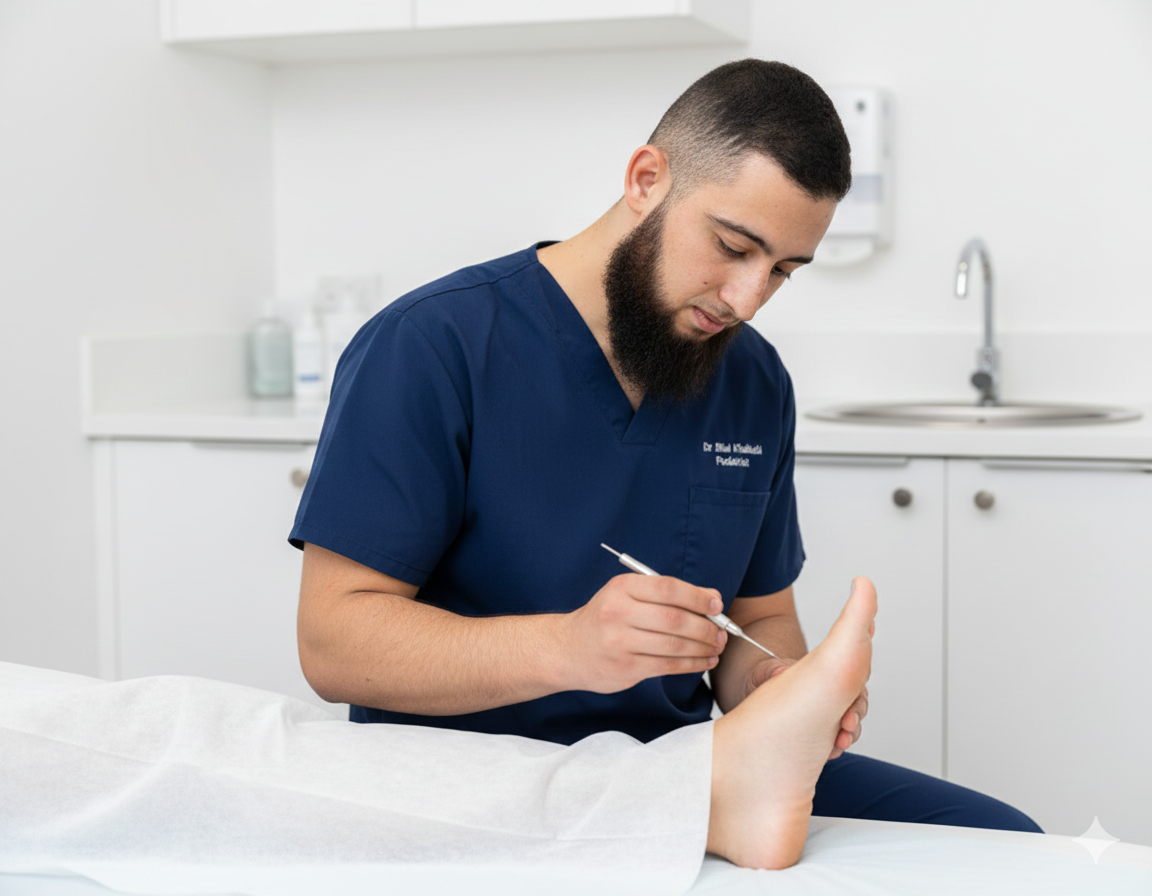
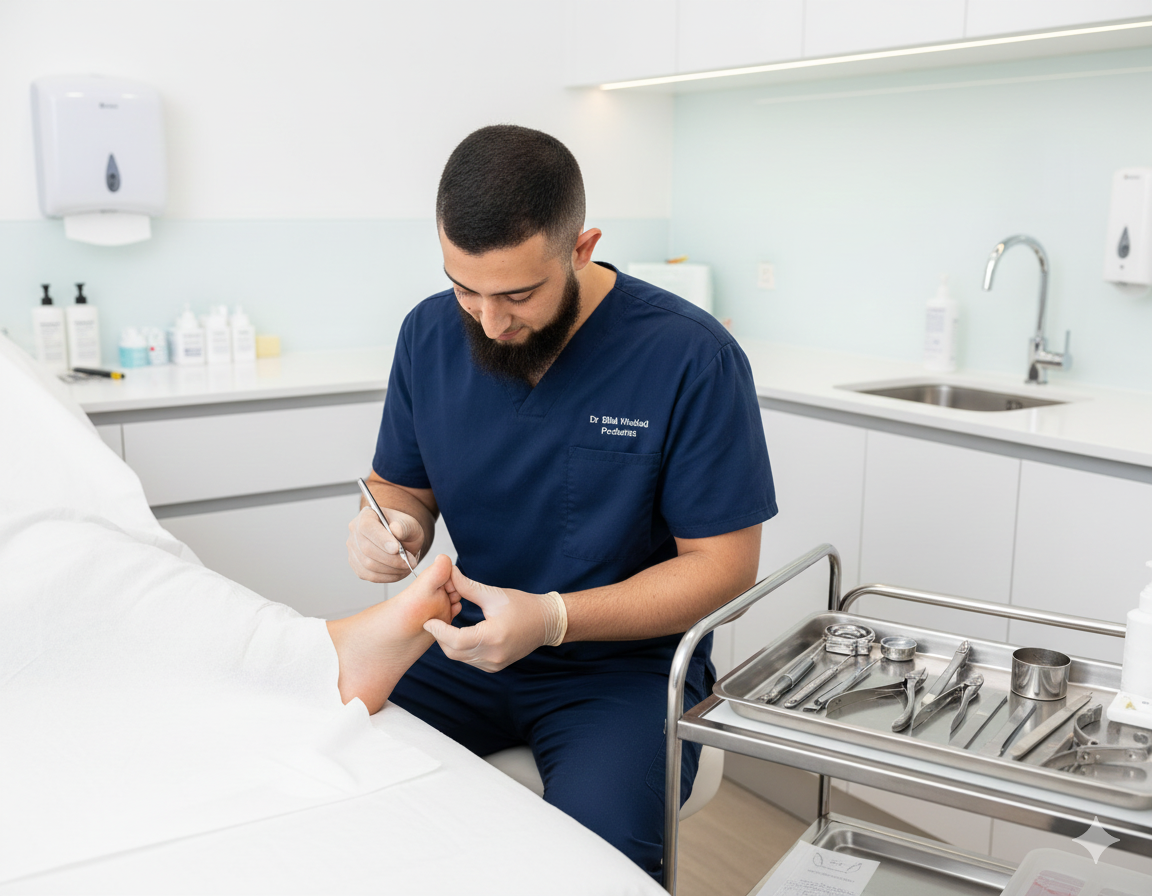
Diagnosis is usually clinical and based on symptom pattern, growth stage and activity history. A podiatry consultation may involve discussing your child’s sport load, recent growth spurts and footwear, followed by a physical assessment.
Heel squeeze test
Assesses tenderness around the growth plate.
Activity & growth history
Considers sport participation and recent growth changes.
Foot posture & calf flexibility
Reviews contributing biomechanical factors.
Footwear review
Checks for shock absorption and support in sports shoes.
Imaging (rare)
May be considered if another cause of heel pain is suspected.
Management options for Severs disease
Management is tailored to your child’s symptoms, activity levels and growth stage. Options may be discussed during a podiatry consultation.
Heel cups / cushioning
May help reduce stress on the heel growth plate during activity.
Activity modification
Adjusting sport load temporarily during painful periods to support recovery.
Supportive footwear guidance
Information about sports shoes with appropriate support and cushioning.
Education for parents and children
Understanding growth‑related heel pain and expected symptom patterns.
Orthotic therapy and heel pain in children
Orthotic therapy may be discussed in some cases to help support foot posture, reduce excessive heel loading and improve comfort in footwear. It is one of several management options and is considered on an individual basis.
- Foot posture considerations: where flat feet or other patterns increase stress on the heel.
- Sport load and surfaces: frequent training on hard surfaces may contribute to symptoms.
- Footwear challenges: orthotics may help improve comfort and support in sports shoes.
Orthotic devices are prescribed on an individual basis after assessment. They may be combined with other approaches such as stretching, strengthening and footwear planning. Learn more about Orthotic Therapy, Foot Mobilisations and Strapping.
Considering early assessment
Some parents choose to seek assessment if heel pain in their child begins affecting sport, school activities or daily comfort. Early assessment can help identify contributing factors and discuss management options such as load modification, stretching, footwear planning and orthotic therapy.
Severs disease is generally self‑limiting and resolves once the heel growth plate closes, typically in mid‑adolescence. Management focuses on comfort, activity planning and supporting participation in sport where possible. Information about other causes of heel pain can be found on our Plantar heel pain and Plantar fasciitis pages.
About Podiatry & Injury Clinic
Podiatry consultations
Assessment and management planning for foot and lower‑limb conditions, including heel pain in children.
Evidence‑informed care
Management plans are based on current clinical knowledge and individual presentation.
Patient‑centred approach
Plans are tailored to your child’s goals, activity levels and preferences.