Prolotherapy & Neural Therapy
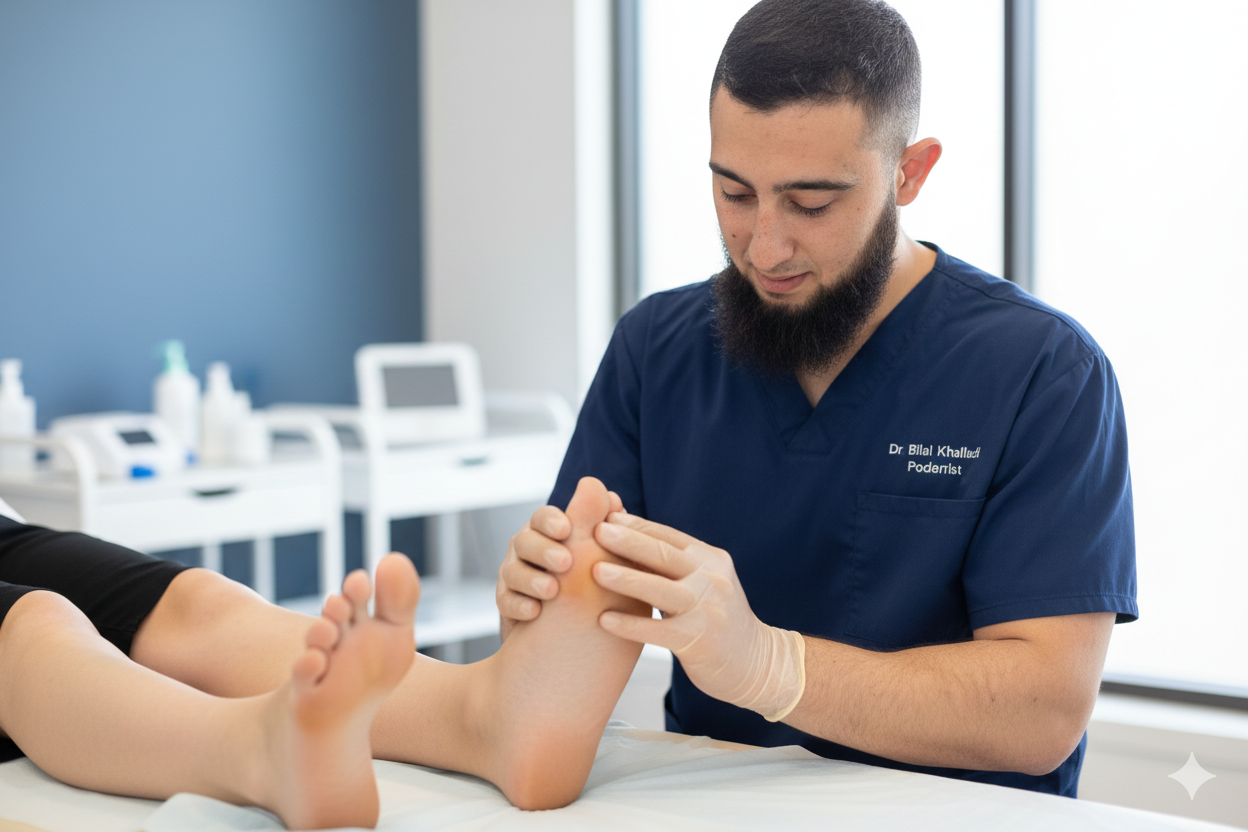
Prolotherapy and neural therapy are options that may be considered for ongoing foot and ankle pain when a podiatrist determines they are clinically appropriate. These therapies are usually part of a broader plan that can include soft tissue therapy, orthotic therapy, strengthening programs, and strapping.

What Is Prolotherapy & Neural Therapy?
Prolotherapy and neural therapy are treatment options that may be used to help manage ongoing pain and support tissue healing in selected cases. They are not suitable for everyone and are only considered after a podiatrist has completed a thorough assessment and discussed potential benefits, risks, and alternatives with you.
Prolotherapy involves injections that aim to stimulate the body’s natural healing response in areas where ligaments or tendons may be under strain. In podiatry, this may be considered for some presentations of chronic heel pain, ankle instability, or other lower limb conditions when clinically appropriate and when conservative measures such as soft tissue therapy, orthotic therapy, strengthening exercises, and stretching programs have been explored.
Neural therapy focuses on nerve-related sensitivity and may be considered when pain patterns suggest heightened nerve irritation. It is used cautiously and only within a structured plan that can also include plantar fasciitis management, Achilles tendinopathy rehabilitation, ankle sprain recovery, and other evidence-informed approaches.
When Prolotherapy & Neural Therapy May Be Considered
These therapies are generally reserved for situations where pain has persisted and a podiatrist believes that injection-based options may complement other treatments. They are not first-line care and are always discussed in detail before any decision is made.
- Chronic tendon or ligament pain in the foot or ankle that has been assessed and monitored over time.
- Pain not improving as expected despite structured rehabilitation, including soft tissue therapy and orthotic therapy.
- Persistent heel or ankle pain such as some presentations of plantar heel pain or Achilles tendinopathy.
- Nerve-related discomfort where a podiatrist suspects heightened nerve sensitivity.
- Recurrent injuries in the lower limb that have been carefully evaluated.
- Long-term inflammation that has been monitored and managed with conservative care.
How We Assess Before Considering Injection Therapy
Any decision to use prolotherapy or neural therapy is based on a detailed clinical assessment. Your podiatrist will review your history, examine the affected area, and consider how these options fit within a broader treatment plan that may include soft tissue therapy, orthotic therapy, strapping, and strengthening exercises.
Detailed pain and activity history
Palpation and stability testing
Range of motion and load assessment
Gait and biomechanics review
Imaging referral if clinically indicated
How Prolotherapy & Neural Therapy Are Used
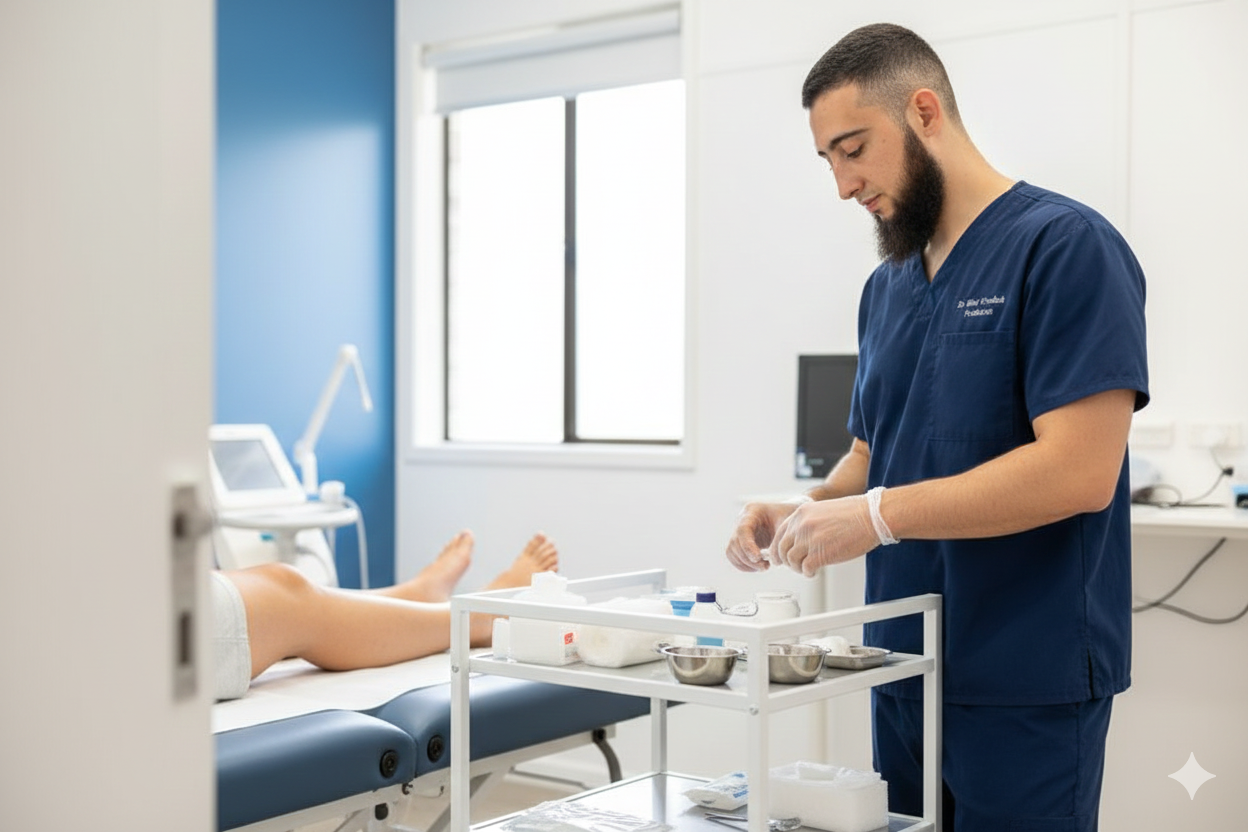
Injection-based therapies are considered carefully and used alongside other podiatry treatments. They are not suitable for everyone and do not guarantee a particular outcome.
Prolotherapy injections (if clinically appropriate)
Neural therapy for selected nerve-related presentations
Structured rehabilitation plan after treatment
Strength and mobility progression with exercises
Regular review to monitor response and adjust care
Many people with foot and ankle pain are managed effectively with non-injection options such as soft tissue therapy, orthotic therapy, strapping, strengthening programs, and stretching. Your podiatrist will discuss which options are most suitable for your situation.
Why Timely Care Matters
When pain persists, it can affect how you move and how comfortable you feel during daily activities. Seeking assessment early allows a podiatrist to identify contributing factors and discuss appropriate options, which may include soft tissue therapy, orthotic therapy, strapping, and exercise-based care.
- Pain can become long-term if contributing factors are not addressed.
- Nerve sensitivity may increase, making activities more uncomfortable.
- Tissue loading may worsen without appropriate support or footwear.
- Function can reduce over time, affecting walking and sport.
- Reliance on medication may increase if pain is not reviewed clinically.
Early podiatry assessment in Bankstown and surrounding suburbs such as Condell Park, Padstow, Revesby, Greenacre and Yagoona can help you understand your condition and explore suitable management options.
Why Choose Our Clinic
Podiatrists with lower limb focus
Our podiatrists provide care for a wide range of foot and ankle conditions, including plantar fasciitis, ankle sprains, Achilles tendinopathy and sports-related injuries.
Structured, evidence-informed care
We use assessment findings and current clinical guidance to plan treatment, which may include soft tissue therapy, orthotic therapy, strapping and exercise-based programs.
Patient-centred approach
Treatment decisions are made in consultation with you, taking into account your goals, activities and preferences. We discuss options, including when injection therapies are not required and when conservative care may be more suitable.