Custom Orthotic Therapy
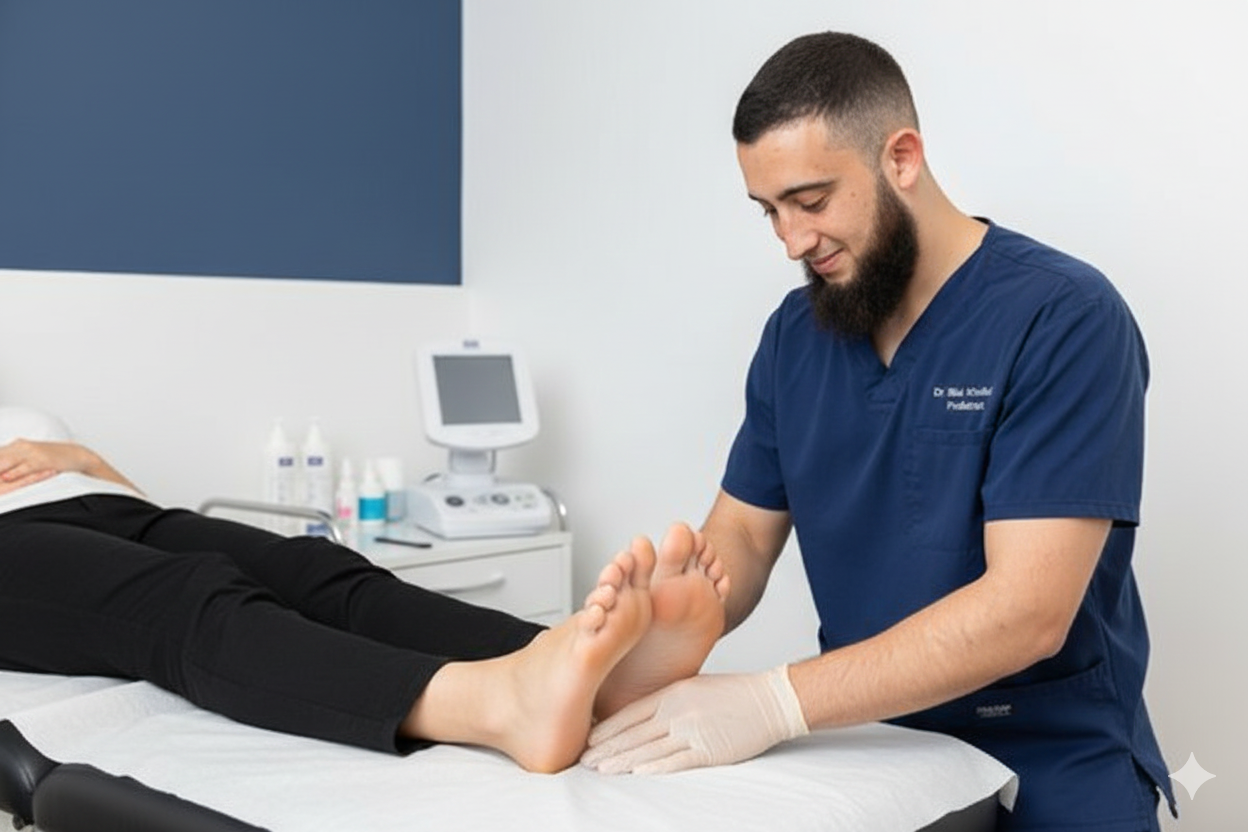
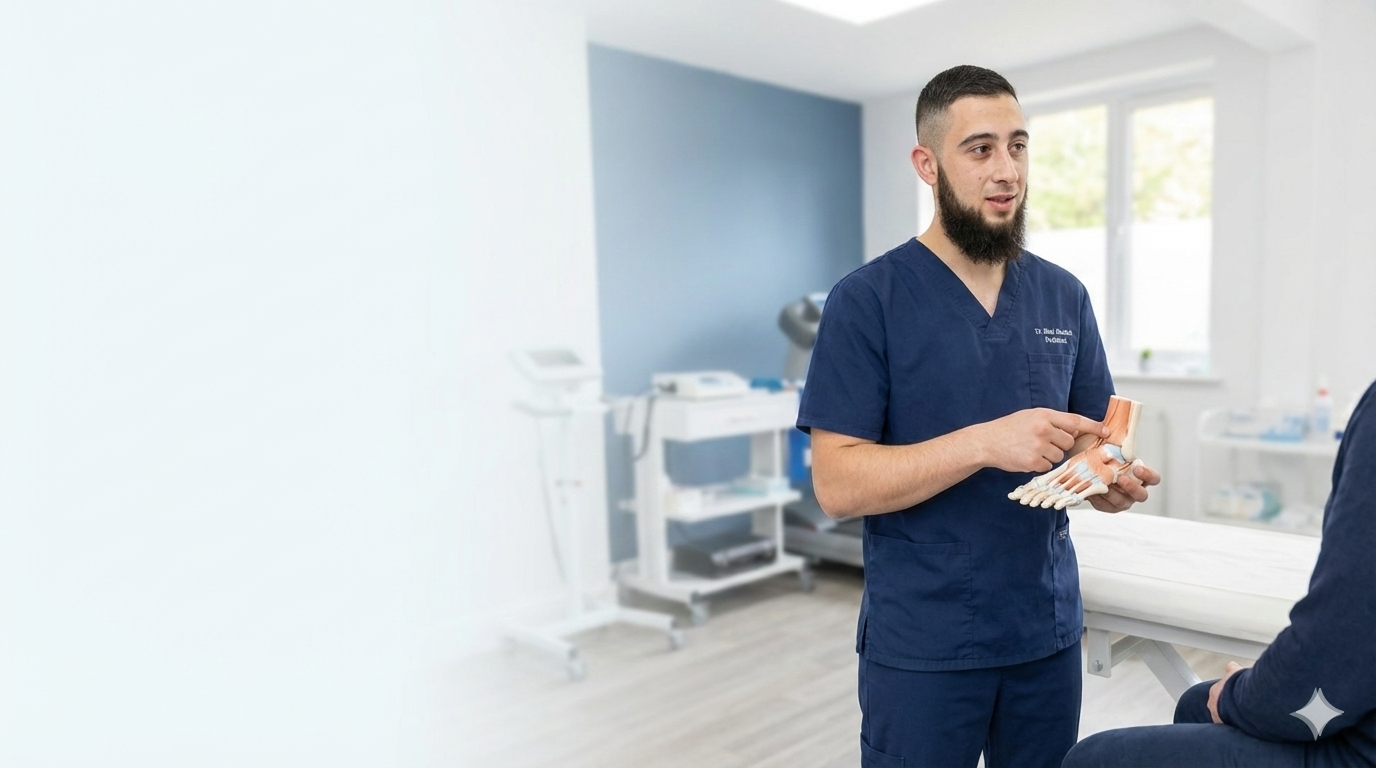
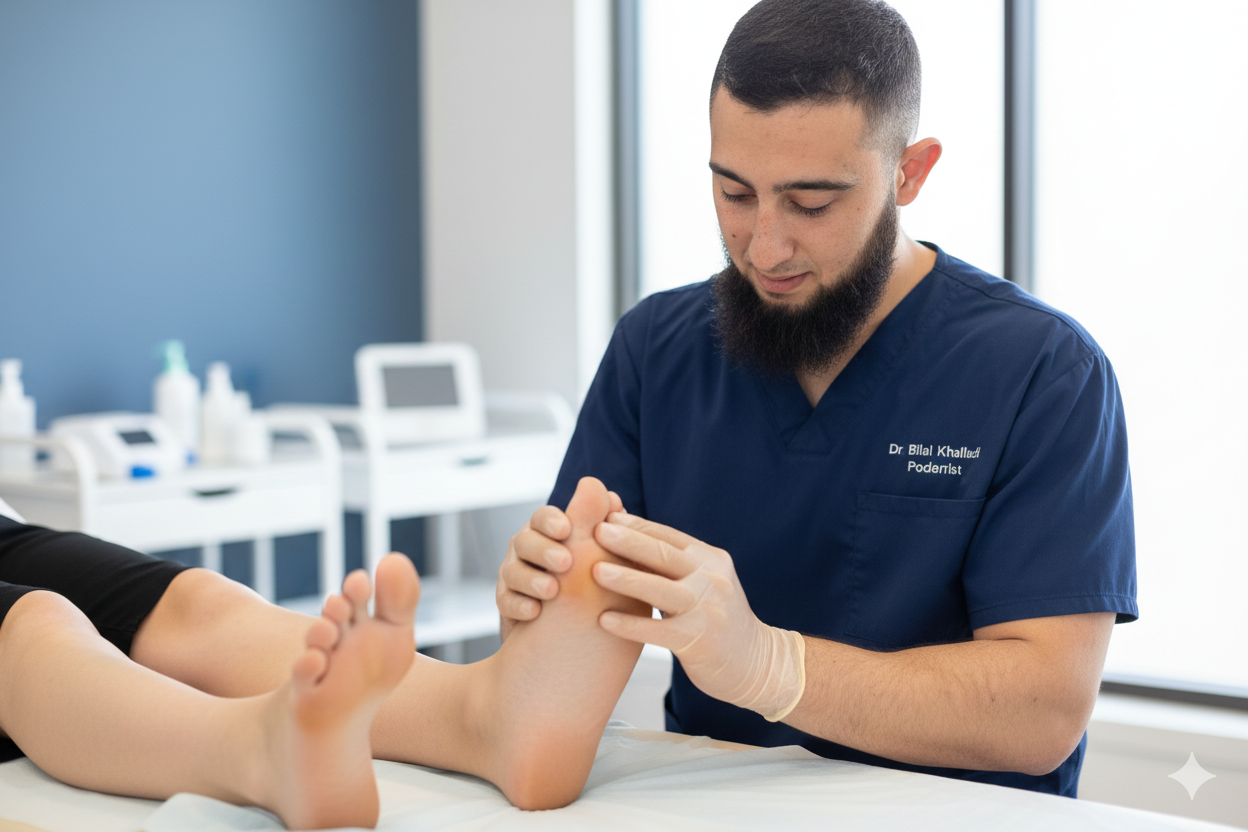
Custom foot orthotics are prescribed by our podiatrists in Bankstown to help support foot mechanics, improve comfort and assist in managing conditions such as plantar fasciitis, heel pain, bunions and other lower limb concerns. Orthotic therapy is often combined with soft tissue therapy, strengthening programs and stretching as part of a broader treatment plan.
What Is Custom Orthotic Therapy?
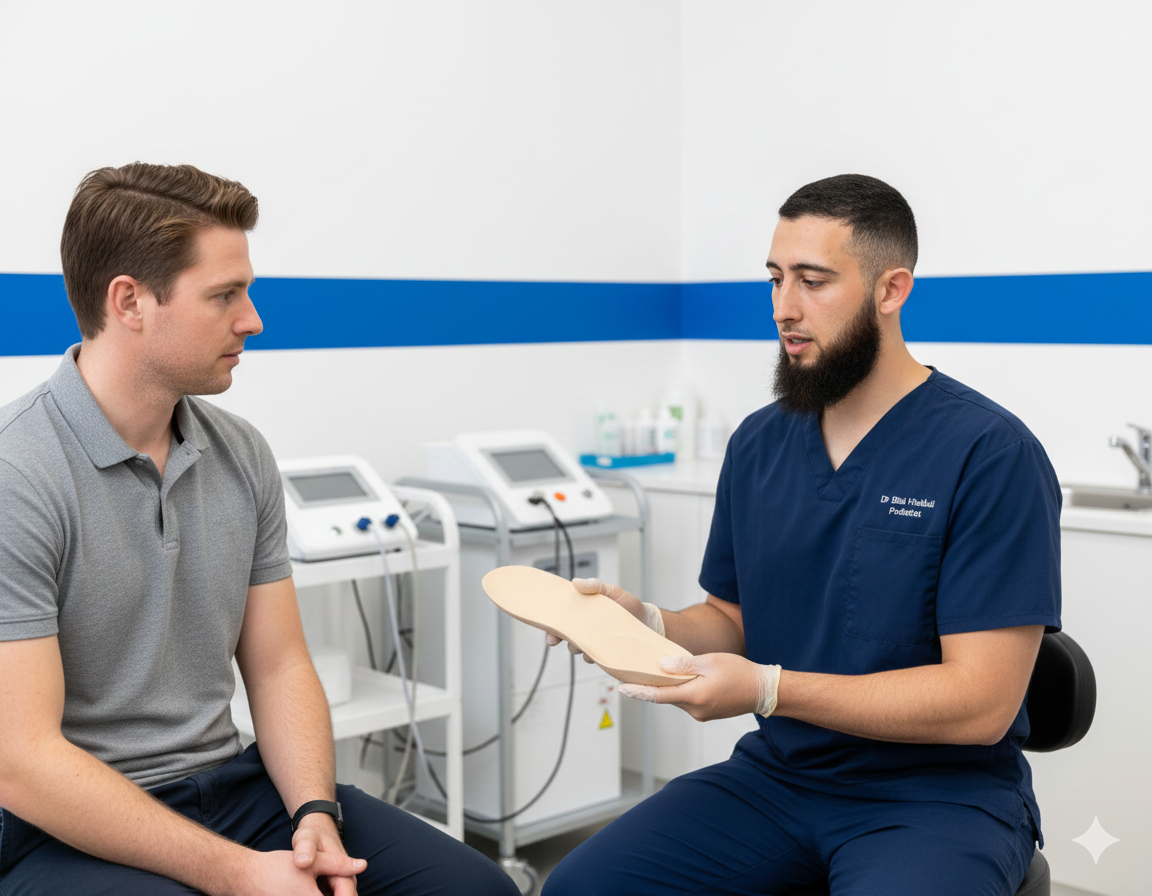
Custom orthotic therapy involves the prescription and fitting of foot orthotics (insoles) that are tailored to your individual foot structure, movement pattern and clinical presentation. These devices are designed following a podiatry assessment and are intended to assist with load distribution, support and comfort.
Orthotics may be used to help manage conditions such as plantar fasciitis, plantar heel pain, bunions, Mortons neuroma and sports-related foot and ankle concerns. They can be prescribed for everyday footwear, work boots and athletic shoes.
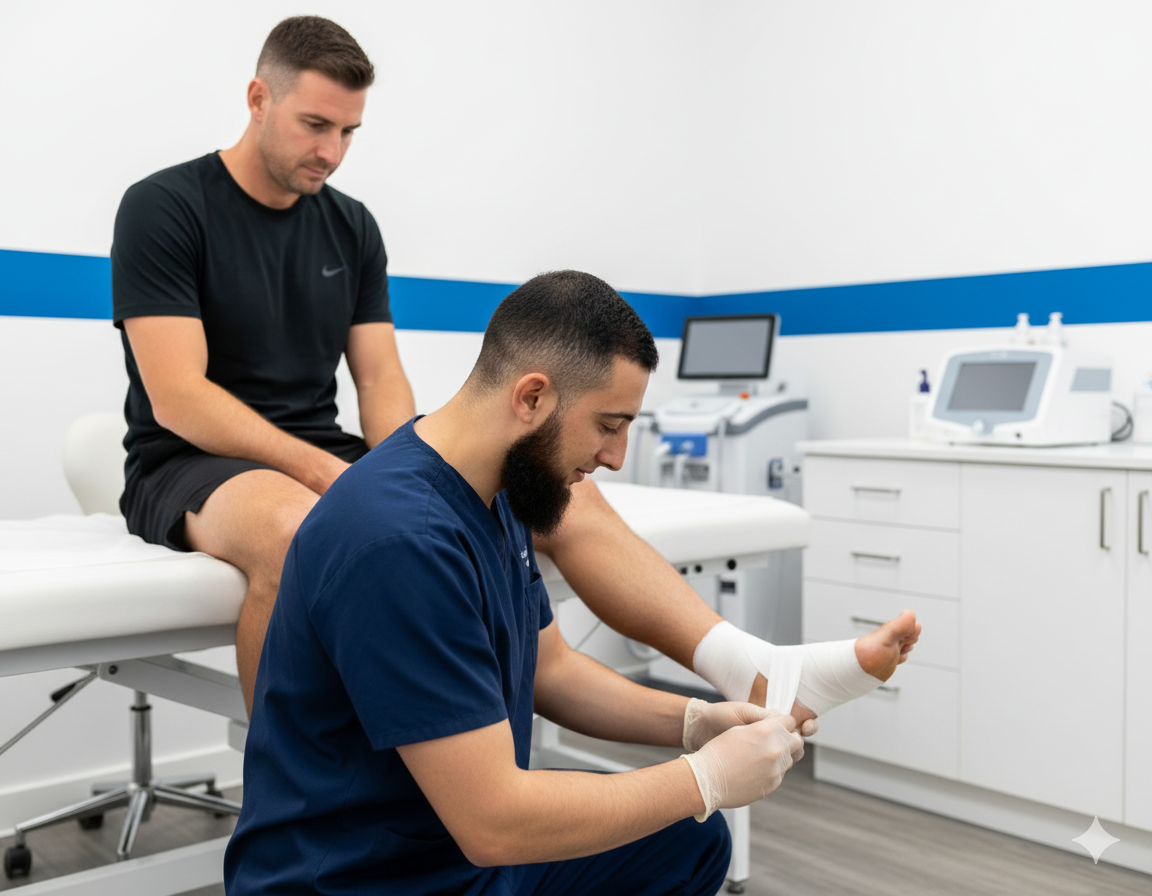
At Podiatry & Injury Clinic in Bankstown, orthotic therapy is commonly integrated with soft tissue therapy, strengthening exercises, stretching programs and strapping to support overall lower limb function. Your podiatrist will discuss whether orthotics are appropriate for you as part of a personalised treatment plan.
Signs You May Benefit from Orthotic Therapy
Orthotic therapy aims to support the foot and improve alignment to help reduce overload on joints and soft tissues. The following signs may indicate that orthotics could be considered as part of your management plan:
- Flat feet or overpronation with discomfort during walking or standing.
- Heel pain or plantar fasciitis such as plantar fasciitis or plantar heel pain.
- Knee or hip discomfort linked to foot alignment, especially with prolonged activity.
- Bunions or forefoot pain including bunions and Mortons neuroma.
- Uneven walking pattern or feeling of imbalance when on your feet.
- Ongoing foot fatigue with daily tasks or sport.
Conditions That May Benefit from Orthotic Therapy
Orthotic therapy is considered for a range of foot and lower limb conditions. Your podiatrist will determine suitability based on clinical assessment and your goals. Conditions that may be managed with orthotics, often alongside other therapies such as soft tissue therapy and strengthening, include:
- Ankle sprain
- Severs disease
- Sports-related foot and ankle conditions
- General forefoot pain and overload patterns.
- Lower limb alignment concerns discussed during assessment.
How We Assess for Orthotic Therapy
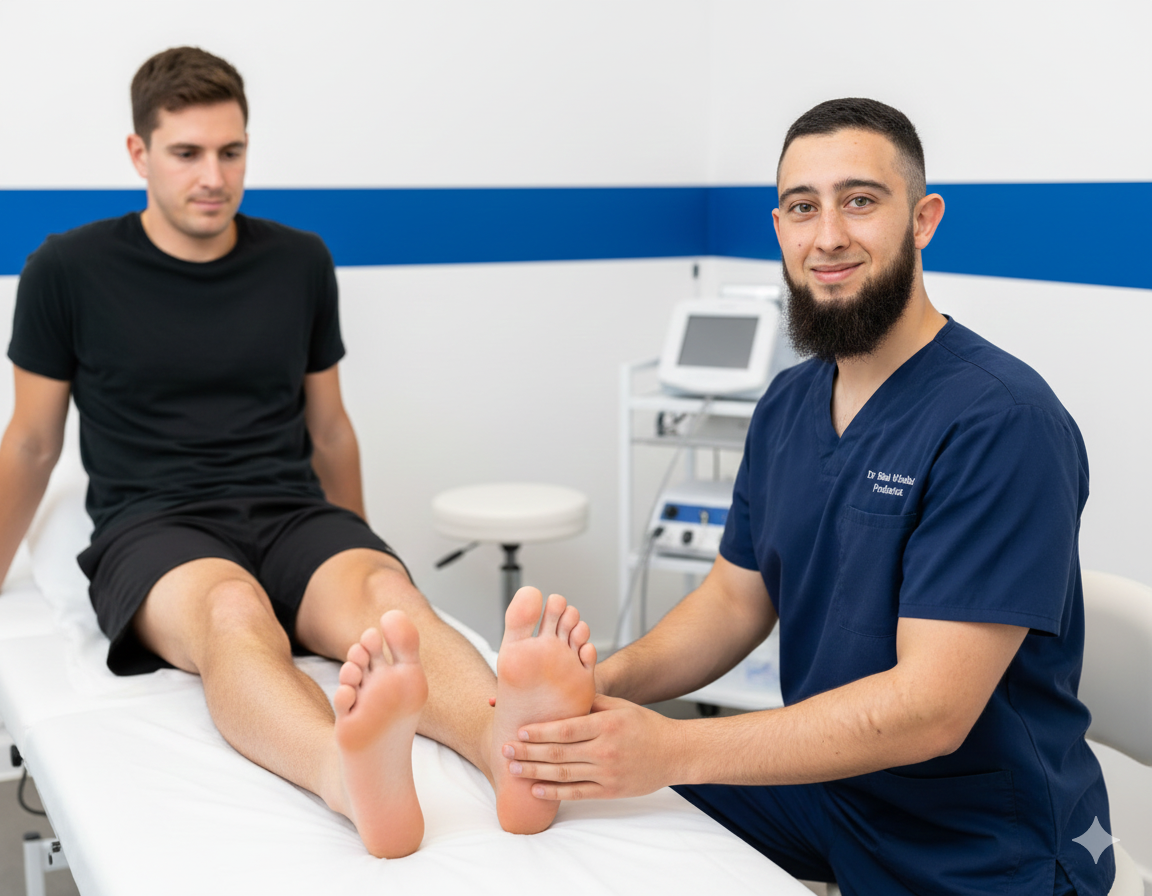
Assessment is an important step before orthotics are prescribed. Your podiatrist will review your symptoms, foot posture and movement to determine whether orthotic therapy is appropriate and how it should be integrated with other treatments.
Biomechanical assessment
Gait analysis
Foot posture evaluation
Pressure mapping (if available)
Functional movement testing
How We Use Orthotic Therapy in Treatment
Orthotic therapy is tailored to your assessment findings and is combined with other podiatry treatments where appropriate.
Custom-made orthotics
Devices prescribed and manufactured based on your foot measurements and clinical findings.
Prefabricated orthotic support (if suitable)
Pre-made orthotics may be used when appropriate and discussed with you during consultation.
Shoe recommendations
Guidance on footwear that works well with orthotics and supports your foot type.
Follow-up adjustments
Review appointments to check comfort, fit and make modifications where clinically indicated.
Rehabilitation plan
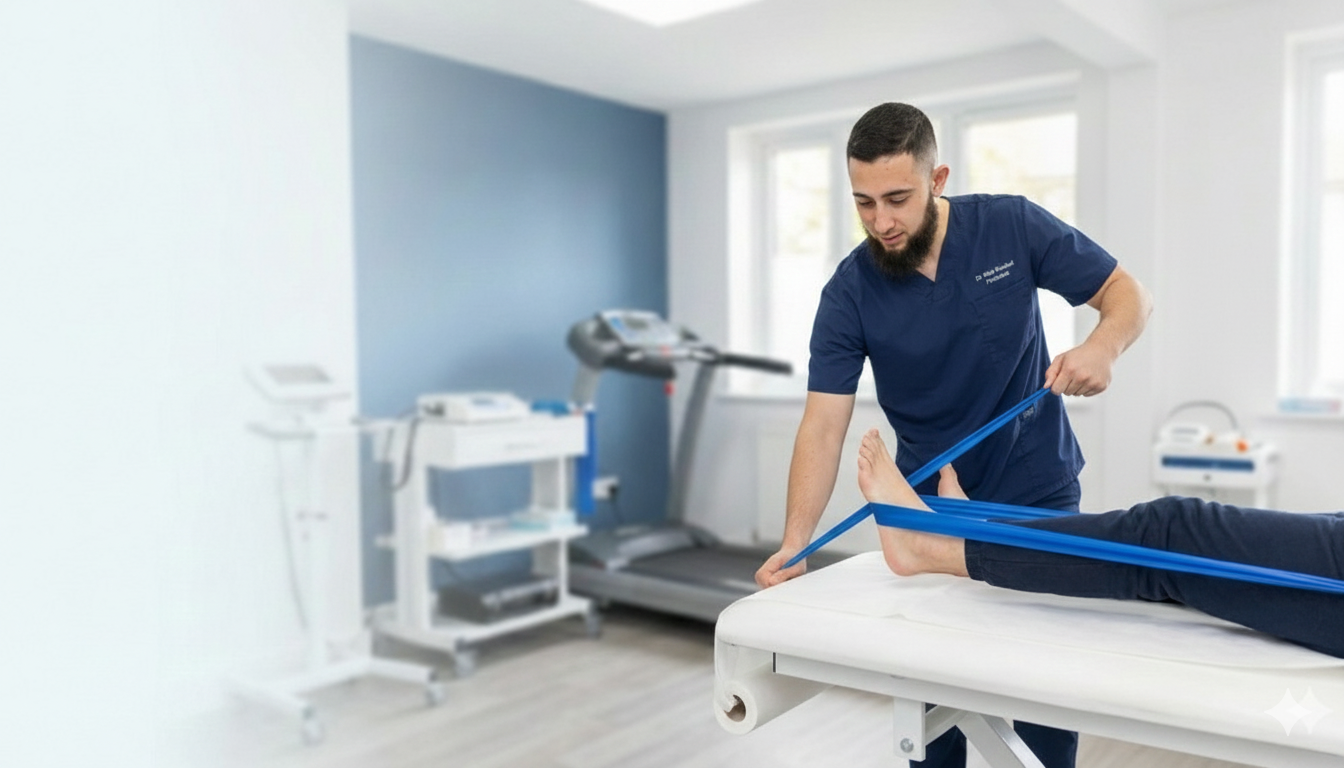
Integration with soft tissue therapy, strengthening and stretching to support long-term function.
Why Early Consideration of Orthotic Therapy Matters
Foot mechanics can influence the entire lower limb. When alignment concerns are not addressed, ongoing load may contribute to discomfort in the feet, ankles, knees or hips. Discussing orthotic options early may help reduce ongoing strain and support more comfortable movement.
- Pain may spread upward – symptoms can be felt in knees, hips or back over time.
- Increased joint strain – misalignment can place additional load on joints and tendons.
- Progression of deformities – conditions such as bunions may change over time.
- Reduced day-to-day comfort – walking and standing can feel more demanding.
- Higher injury risk – altered mechanics may affect balance and load tolerance.
Early discussion with a podiatrist about orthotic therapy and related treatments can help you understand options to support your feet and lower limbs.
Orthotic Therapy for Children
Children’s feet change as they grow, so orthotic therapy for kids is guided by age, growth stage, symptoms and activity levels, and orthoses are reviewed as feet grow. Visit our children’s podiatry page, or read more about how orthotic therapy may be used in the management of these kids conditions:
- Flat Feet in Children (Pes Planus)
- High Arches in Children (Pes Cavus)
- Hypermobile Feet in Children
- Sever’s Disease in Kids (Calcaneal Apophysitis)
- Apophysitis of the Foot in Children (incl. Iselin’s Disease)
- Plantar Heel Pain in Children
- Sesamoid Pain in Children & Teens
- Frequent Tripping in Children
- Shin Splints in Kids & Teens (Medial Tibial Stress Syndrome)
- Osgood-Schlatter Disease in Kids
- Patellofemoral Pain in Kids & Teens
- Recurrent Ankle Sprains in Children
- Tibialis Posterior Strain in Children
- Growing Pains in Children
- Overlapping Toes in Children (Pressure-Related)
- Hammer Toes in Children
- Plantar Warts in Children (Painful Lesions & Offloading)
- Foot Fatigue During Sport in Children
- In-Toeing in Children (Pigeon Toed)
- Out-Toeing in Children (Duck Walking)
Why Choose Our Clinic for Orthotic Therapy
Experienced Podiatrists
Our podiatrists regularly assess and manage foot and lower limb conditions using orthotic therapy and related treatments.
Assessment-Based Treatment
Orthotics are prescribed following clinical assessment and are integrated with therapies such as soft tissue therapy and exercise programs where appropriate.
Patient-Centred Care
Treatment plans are discussed with you, taking into account your goals, footwear needs and daily activities in Bankstown and surrounding suburbs.