Soft Tissue Therapy
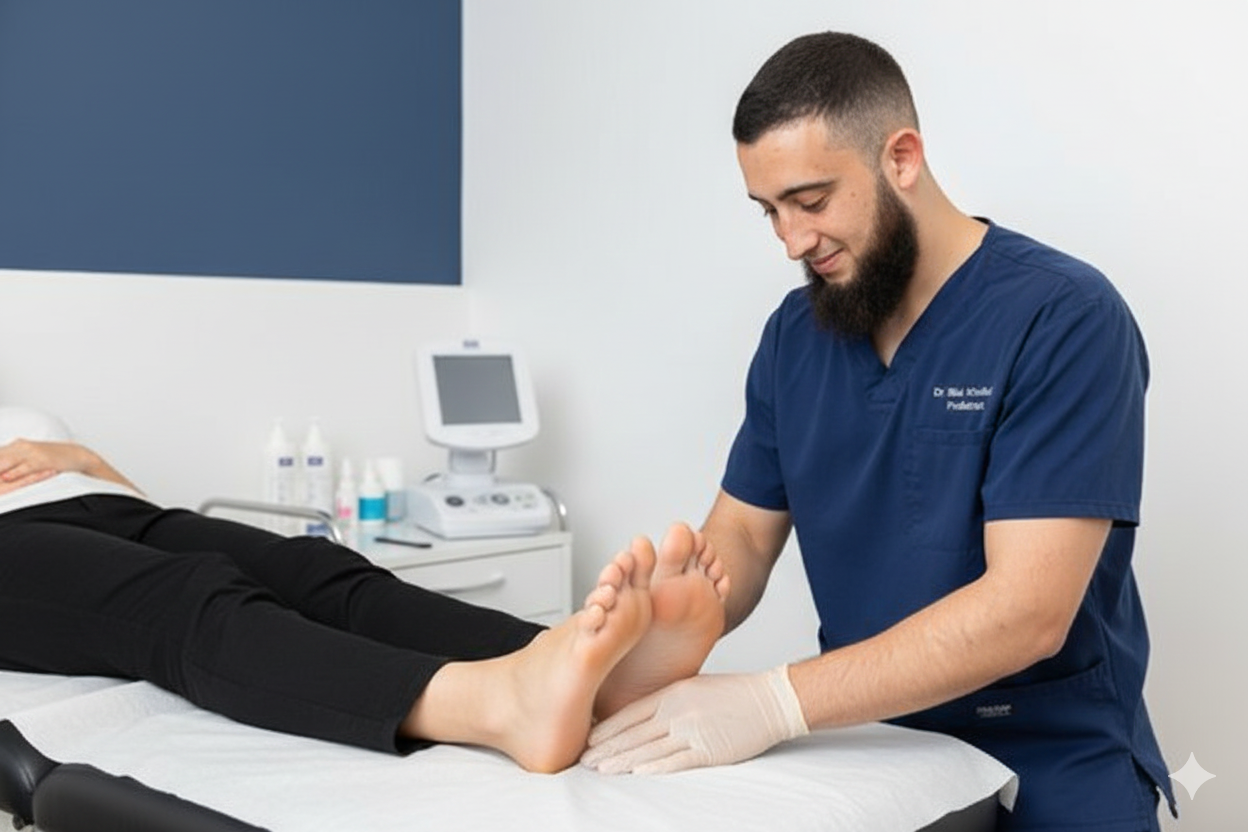
Soft tissue therapy is a podiatry‑guided, hands‑on approach used to help manage muscle, tendon and ligament discomfort in the foot and lower limb. At our Bankstown clinic, soft tissue techniques are often combined with orthotic therapy, stretching programs and strengthening exercises to support overall foot function.
On This Page
What Is Soft Tissue Therapy?
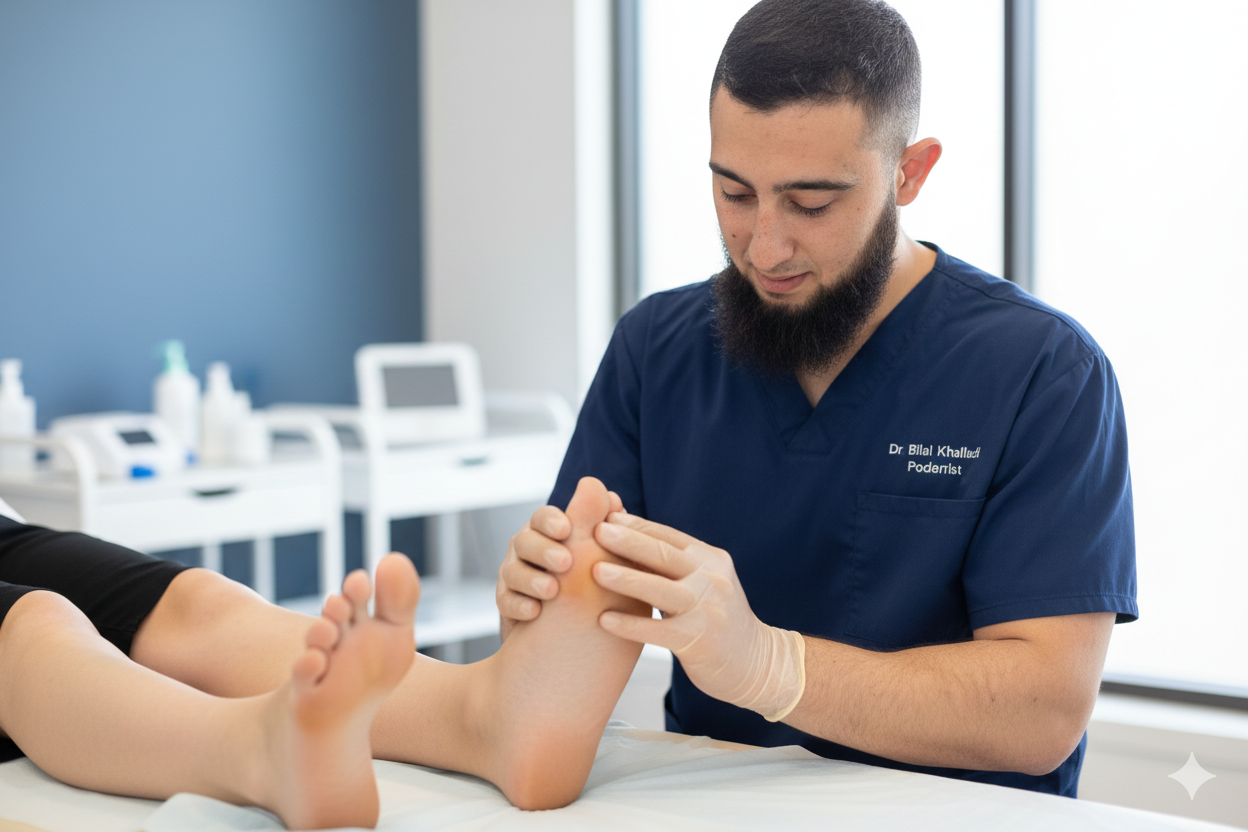
Soft tissue therapy refers to gentle, hands‑on techniques used to help manage discomfort in muscles, tendons, ligaments, fascia and related soft tissues of the foot and lower limb. It is commonly used alongside other podiatry treatments such as custom orthotics, stretching, strengthening programs and foot mobilisations.
At our Bankstown Podiatry Clinic, soft tissue therapy may be considered for conditions such as plantar fasciitis, plantar heel pain, Achilles tendonitis, Severs disease, sports‑related foot and ankle conditions and general soft tissue strain in the lower limb.
Soft tissue techniques may include deep tissue massage, myofascial release and trigger point work. These approaches aim to gently reduce local tension, support circulation and complement other measures such as strapping or dry needling where clinically appropriate.
Treatment plans are tailored to the individual and may be combined with advice on footwear, activity modification and orthotic therapy to help support foot posture and load distribution.
Symptoms That May Benefit From Soft Tissue Therapy
People sometimes seek soft tissue therapy when they experience ongoing discomfort or tightness in the foot or lower limb. A podiatrist will assess whether this approach is suitable as part of a broader treatment plan.
- Tight or uncomfortable calf muscles associated with plantar fasciitis or heel pain
- Local muscle tenderness around the foot, ankle or lower leg
- Feeling of stiffness after walking, running or sport, including sports‑related conditions
- Trigger points or “knots” in muscles that may contribute to altered movement patterns
- Limited joint movement where soft tissue tightness is contributing to reduced mobility
- Recurring soft tissue strain in the calf, foot or ankle, sometimes seen in Achilles tendonitis or ankle sprain recovery
Soft tissue therapy is not a stand‑alone cure and is usually one part of a broader plan that may include orthotics, strengthening exercises, stretching routines and joint mobilisation.
How We Assess Soft Tissue Involvement
Before recommending soft tissue therapy, your podiatrist will complete a clinical assessment to understand how muscles, tendons and ligaments are contributing to your symptoms. This helps guide whether soft tissue techniques, orthotic therapy or other options are appropriate.
Manual muscle palpation
Range of motion testing
Functional movement screening
Posture and load assessment
Identification of local tenderness
Assessment may also include reviewing footwear, activity levels and any existing orthotic devices to understand how load is being distributed across the foot and lower limb.
How Soft Tissue Therapy Is Used in Treatment
Soft tissue therapy is usually combined with other podiatry treatments to help support comfort and function. The aim is to gently address contributing soft tissue factors while also managing underlying biomechanical issues.
Deep tissue massage
Used to address local muscle tension in the calf, foot or lower limb where appropriate.
Myofascial release
Gentle techniques aimed at supporting soft tissue mobility and comfort.
Trigger point work
Targeted pressure to areas of local tenderness, often combined with stretching and strengthening.
Stretching and mobility programs
Home‑based routines to support calf and foot flexibility, often used with orthotic therapy for conditions such as plantar fasciitis and heel pain.
Activity and load guidance
Advice on pacing, footwear and load management to support recovery from sports conditions, ankle sprain and other soft tissue issues.
Where indicated, soft tissue therapy may be combined with strapping, dry needling or foot mobilisations as part of a comprehensive plan.
Why Early Assessment Matters
Ongoing soft tissue discomfort can sometimes contribute to changes in movement patterns and load distribution. Early podiatry assessment may help identify contributing factors and guide a plan that includes soft tissue therapy, orthotics, strengthening and stretching where appropriate.
- Persistent discomfort — symptoms may continue if contributing factors are not addressed
- Reduced mobility — ongoing stiffness can affect day‑to‑day activity
- Compensatory movement — other joints or tissues may take on extra load
- Slower recovery — progress may be slower without a structured plan
- Recurrent flare‑ups — symptoms can return if underlying issues remain
A podiatry review can help determine whether soft tissue therapy, orthotic support or other options are suitable for your situation.
Soft Tissue Therapy at Our Bankstown Podiatry Clinic
Foot & Lower‑Limb Focus
Our clinic focuses on foot and lower‑limb conditions, including plantar fasciitis, heel pain, Achilles tendonitis and sports‑related issues.
Structured Treatment Plans
Soft tissue therapy is used as part of a structured plan that may include orthotic therapy, strengthening, stretching and joint mobilisation.
Local Care in Bankstown
We see patients from Bankstown, Condell Park, Padstow, Revesby, Liverpool and surrounding Sydney suburbs, providing podiatry‑guided care tailored to individual needs.
Soft tissue therapy at our Bankstown Podiatry clinic is used alongside orthotic therapy, stretching and strengthening programs to support foot and lower‑limb comfort.
Other Treatments
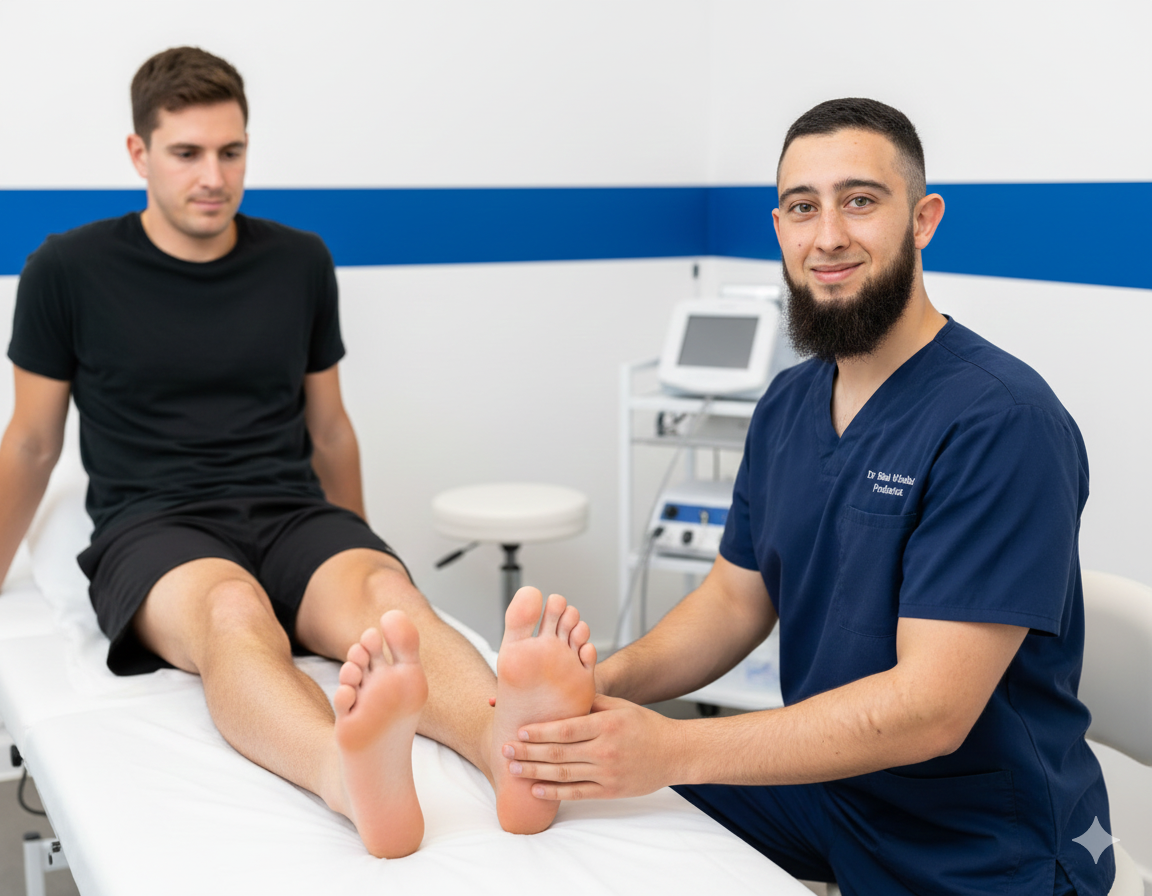
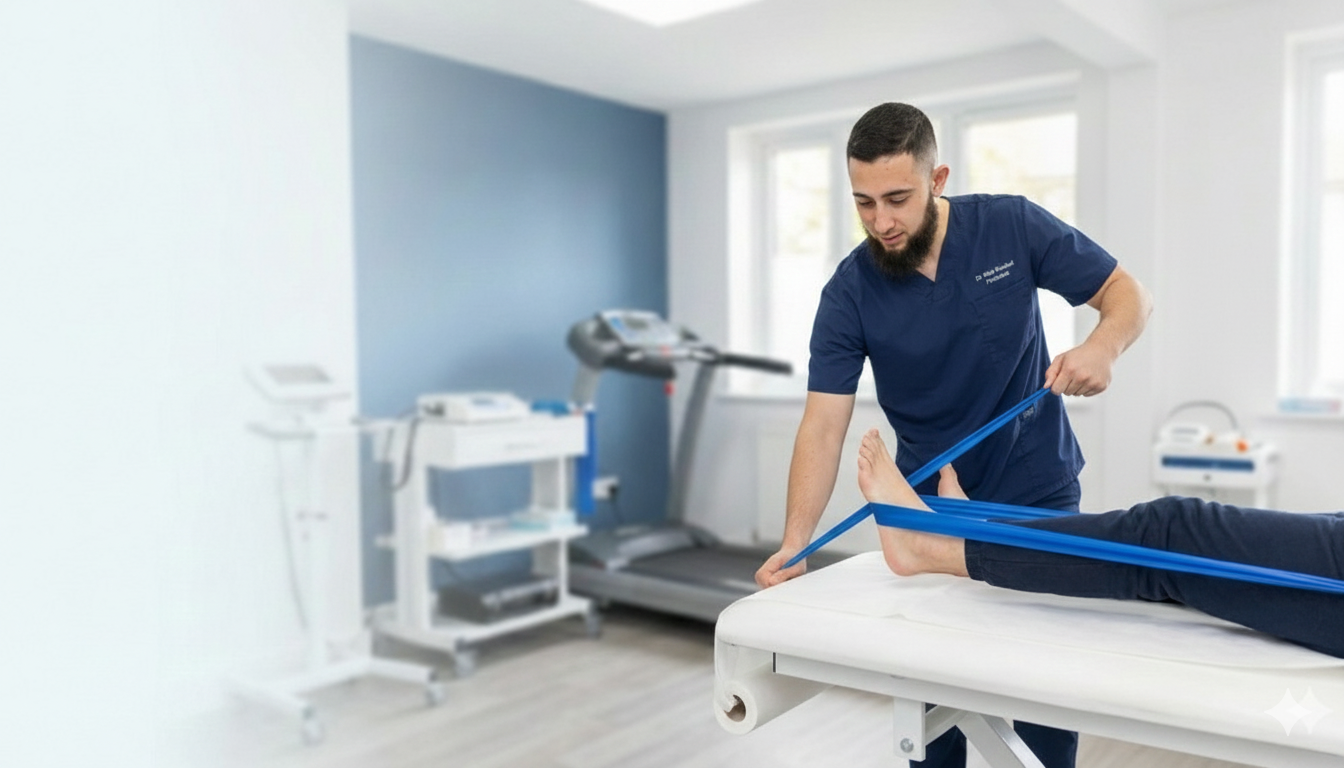
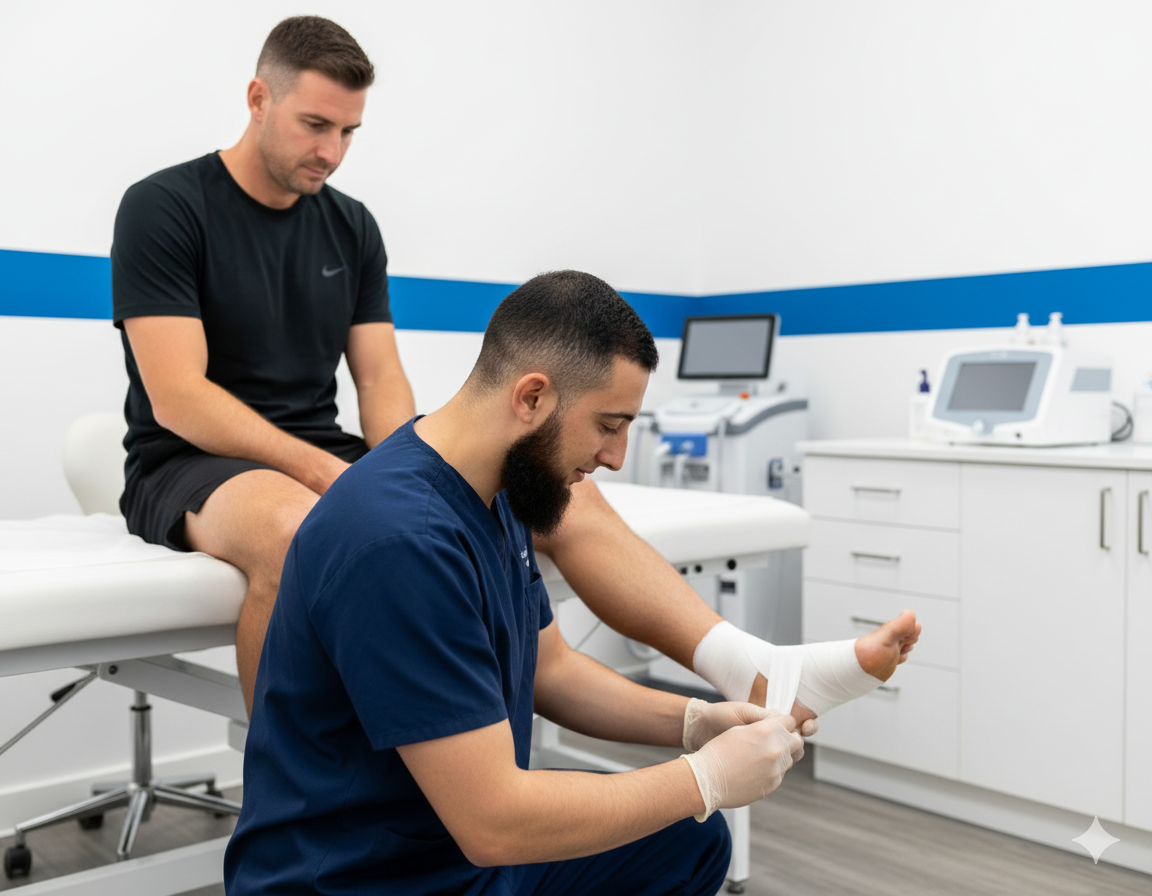
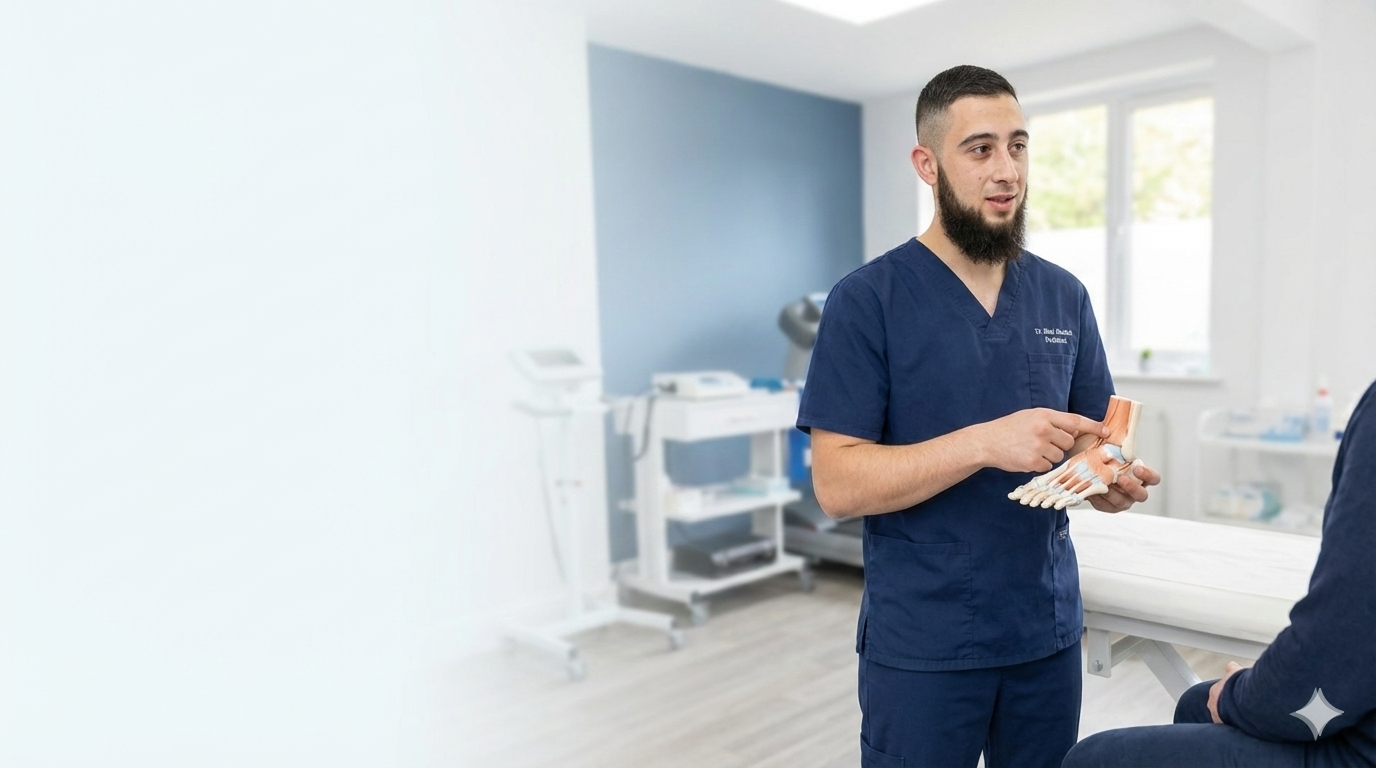
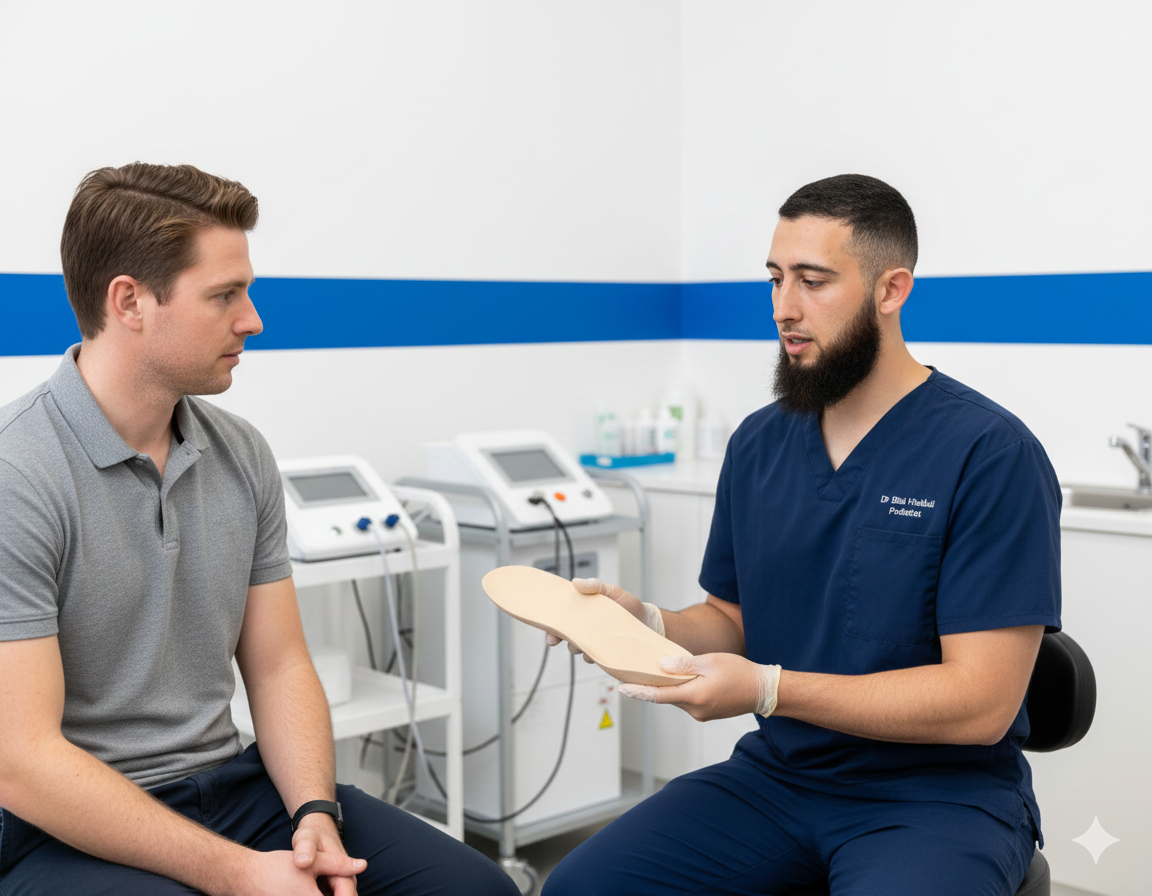
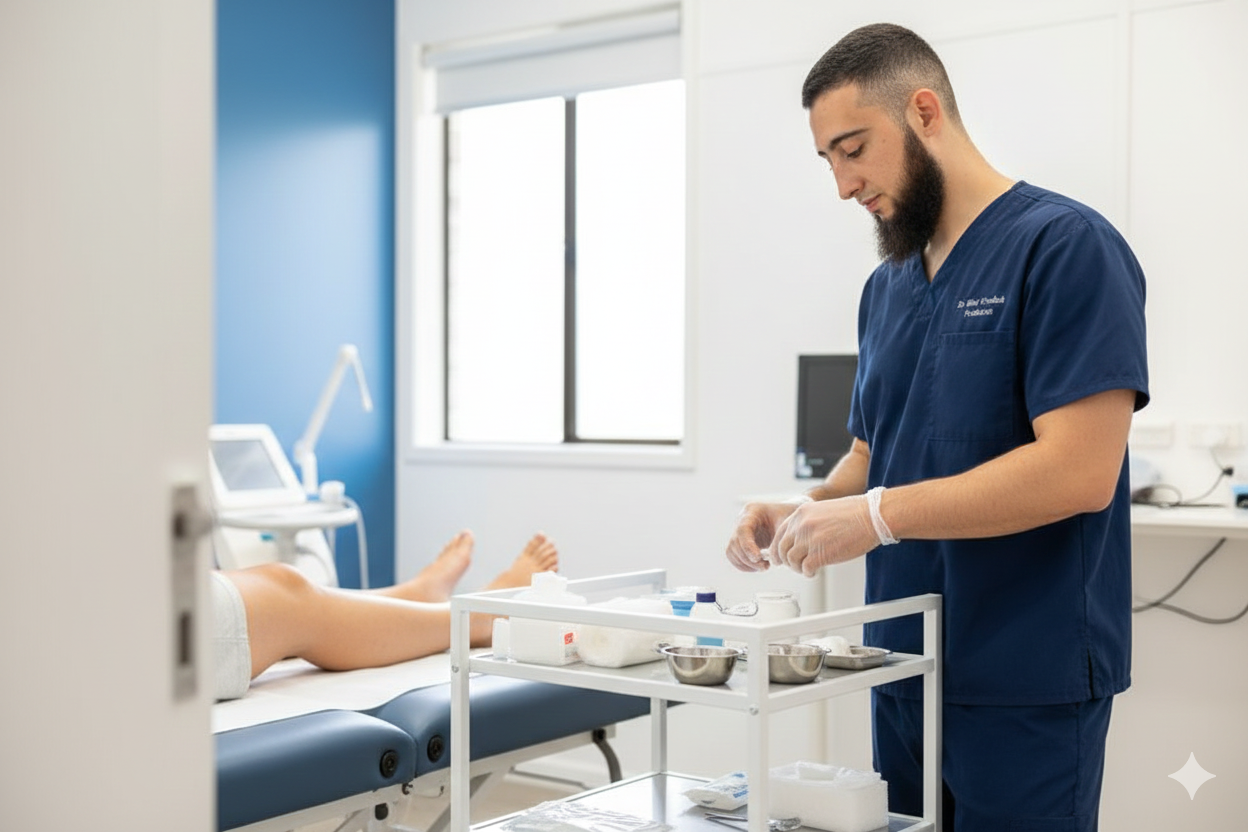
Many conditions, including plantar fasciitis, heel pain, Achilles tendonitis and sports‑related foot and ankle issues, may be managed with a combination of soft tissue therapy, orthotic therapy, stretching and strengthening programs as guided by a podiatrist.