Dry Needling Therapy
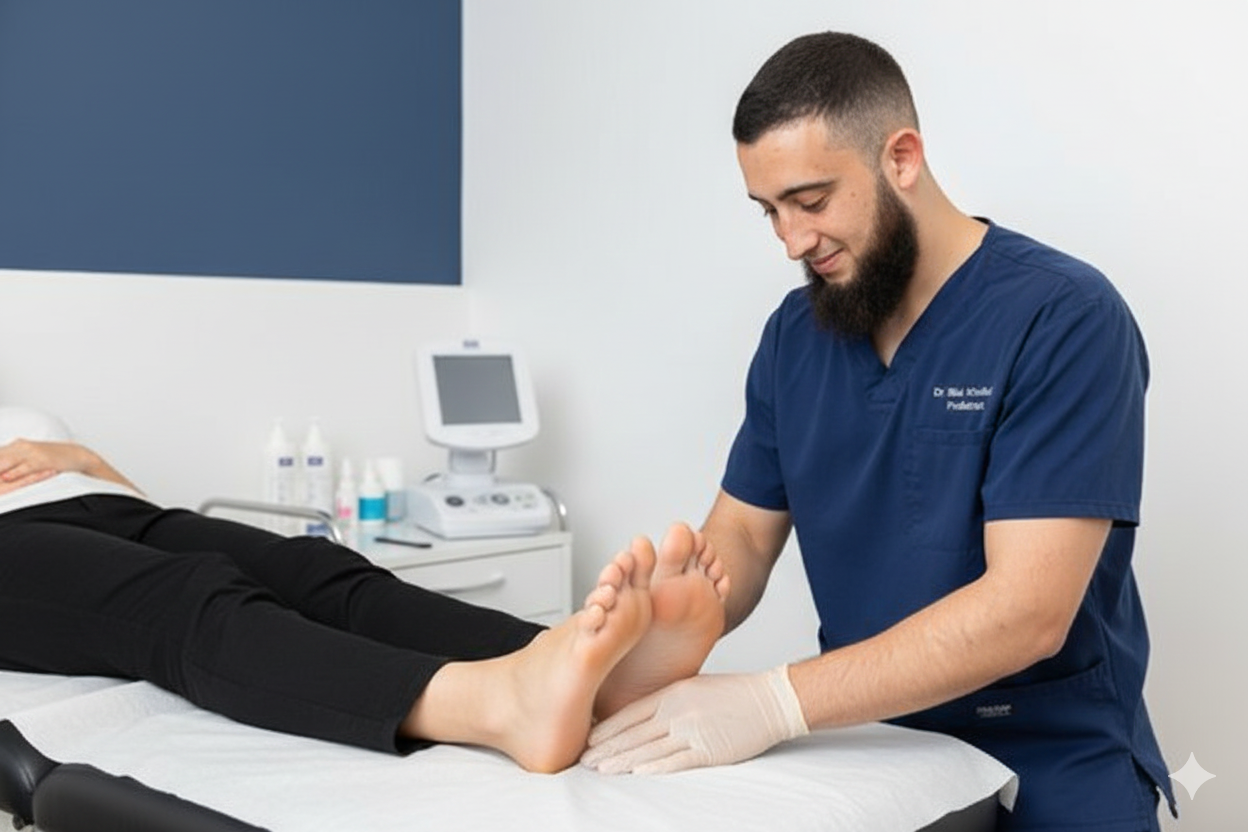
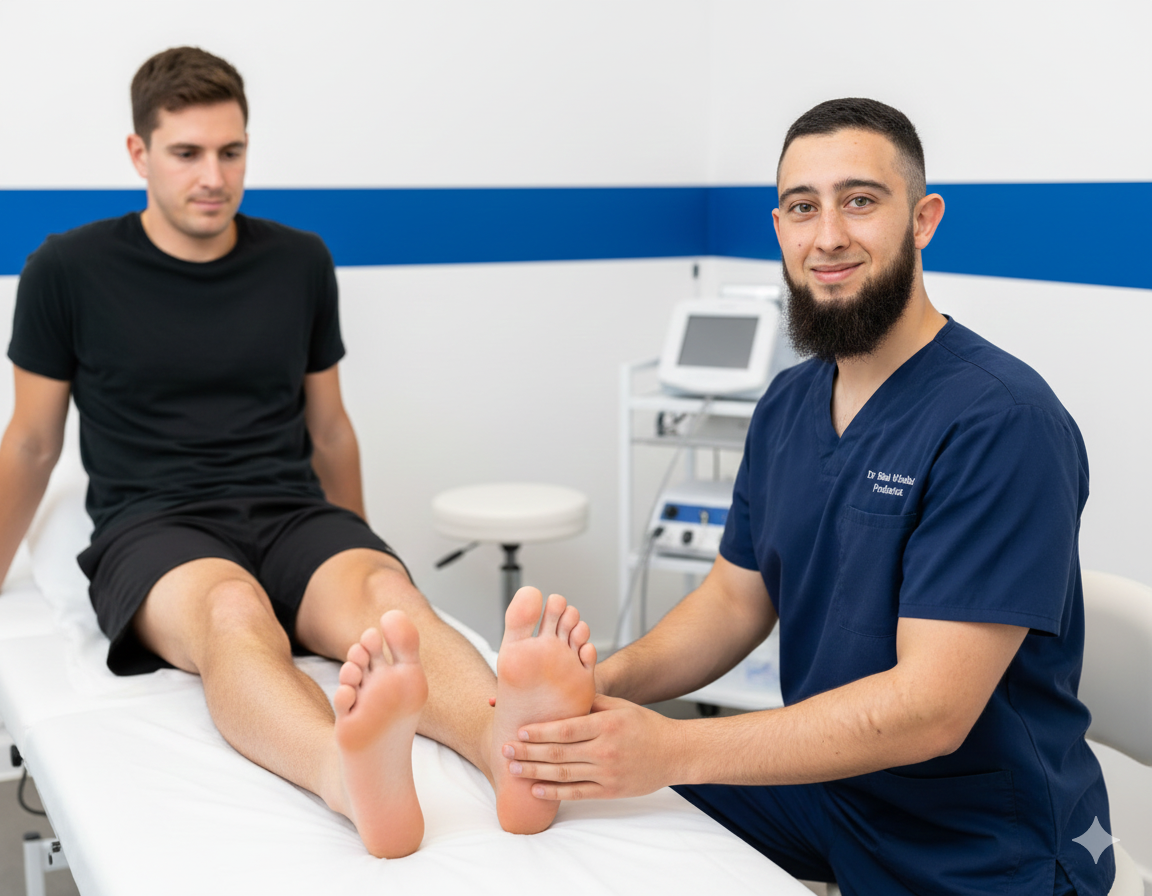
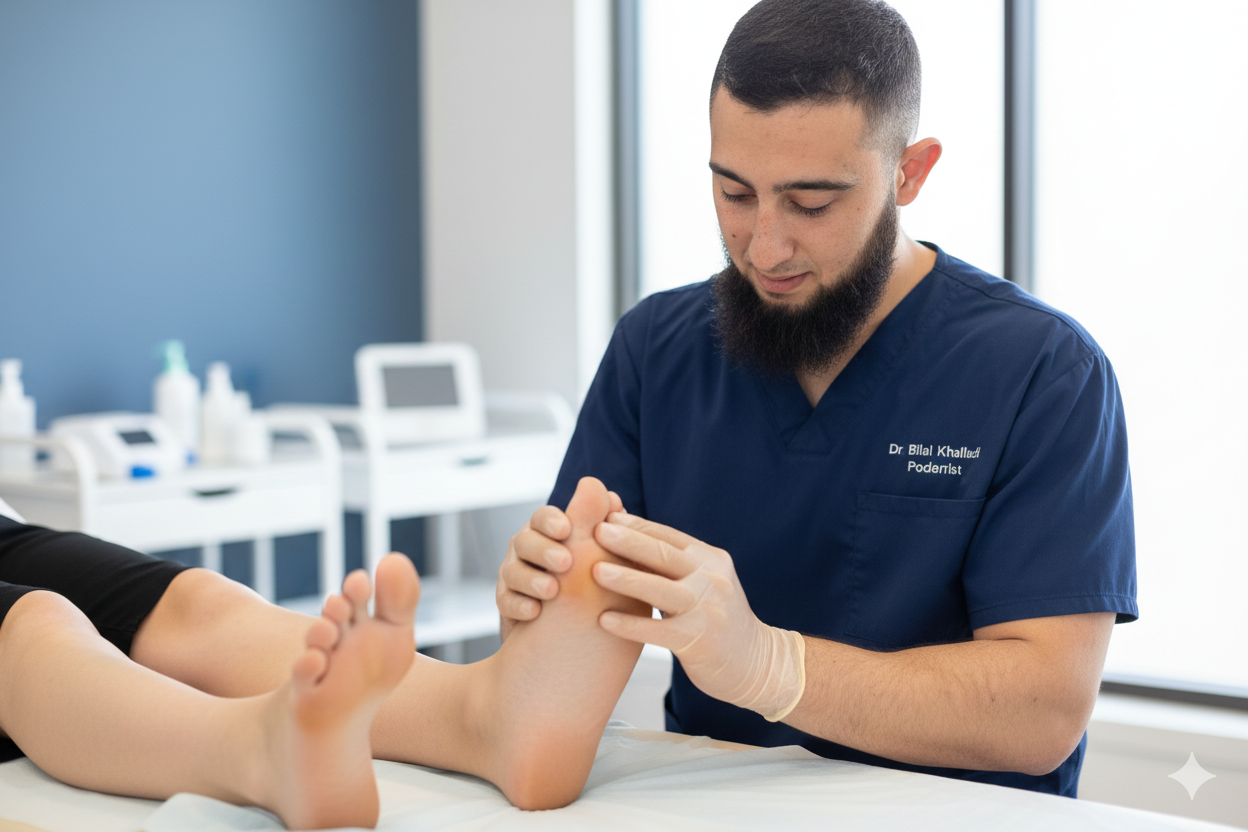
Dry needling is one option used by our podiatrists in Bankstown to help manage muscle-related pain and tension in the foot and ankle. Fine needles are used to target myofascial trigger points in a controlled clinical setting, with the aim of reducing discomfort and supporting movement.
What Is Dry Needling?
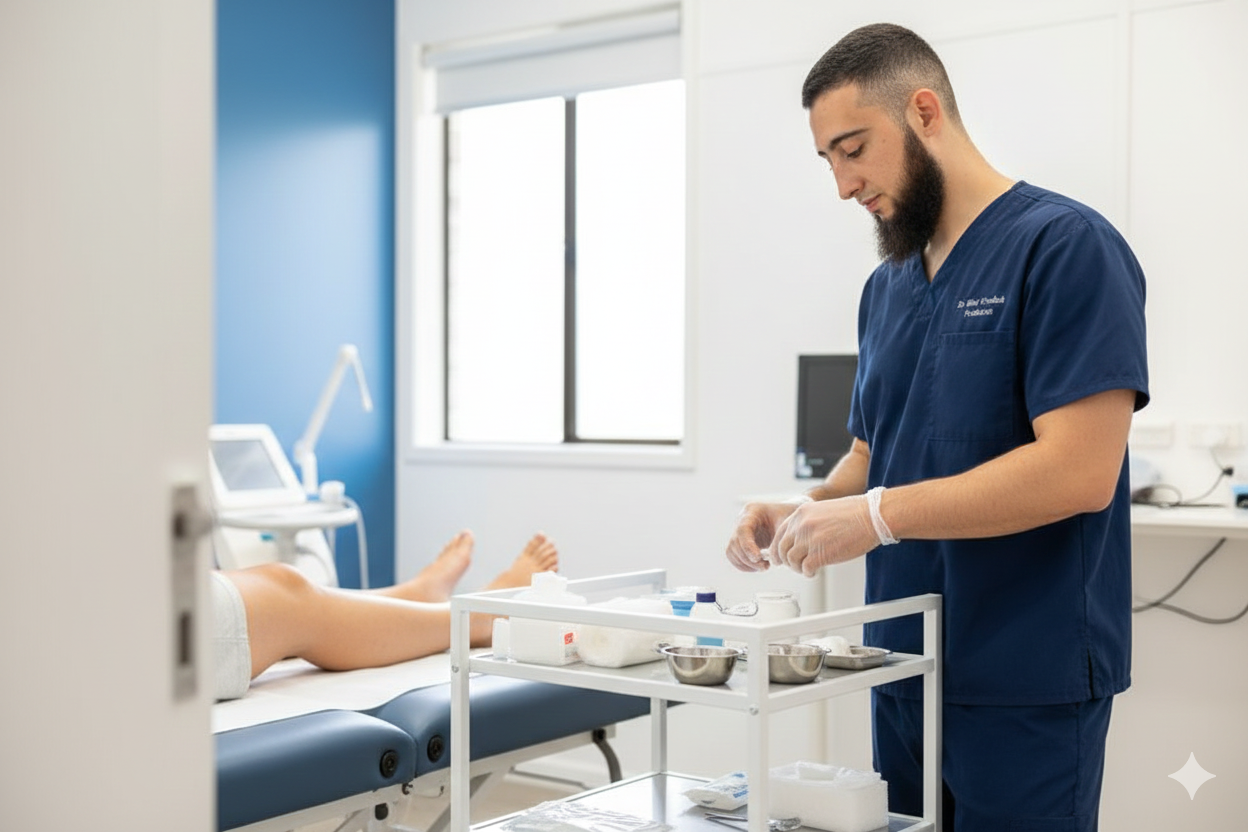
Dry needling is a technique that uses fine, sterile needles to target myofascial trigger points— tight, sensitive areas within muscles that may contribute to local or referred pain. It is based on anatomical and neurophysiological principles and is used as part of a broader treatment plan for muscle-related discomfort.
When a needle is inserted into a trigger point, a brief local twitch response may occur. This response can help reduce muscle tension, improve blood flow and support tissue recovery. The term “dry” refers to the fact that no medication is injected; the effect is related to the mechanical stimulation of the tissue.
In podiatry, dry needling is often considered for tight calf muscles, plantar fascia tension and intrinsic foot muscles that may be contributing to foot and ankle pain. It is commonly combined with soft tissue therapy, stretching programs, strengthening exercises and orthotic therapy to support overall function.
When Dry Needling May Be Considered
Dry needling is one option that may be discussed where muscle tension or trigger points are contributing to symptoms. It is not suitable for everyone, and your podiatrist will consider whether it is appropriate as part of a conservative management plan.
- Local muscle tenderness or “knots” in the calf or foot
- Calf or foot tightness contributing to heel pain or plantar fascia discomfort (see plantar fasciitis and plantar heel pain)
- Muscle-related pain that worsens with activity or prolonged standing
- Referred pain patterns from the calf into the heel or arch
- Movement limitation where muscle tension is restricting ankle or foot motion
- Persistent muscle discomfort after injury or sports loading (see sports-related foot and ankle conditions)
Conditions That May Benefit From Orthotic Therapy & Soft Tissue Care
Many foot and ankle conditions involve a combination of muscle tension, joint loading and biomechanical factors. Dry needling is rarely used in isolation and is often combined with orthotic therapy and soft tissue therapy to help manage load and support comfort. Your podiatrist will discuss options that are suitable for your individual presentation.
- Plantar fasciitis and plantar heel pain
- Achilles tendon pain
- Ankle sprain and post-injury muscle tightness
- Mortons neuroma and forefoot overload
- Bunions with associated soft tissue strain
- Severs disease (in growing children)
- Sports-related foot and ankle conditions
- Flat foot or overpronation patterns managed with custom orthotics
- Muscle overload addressed with strengthening and stretching
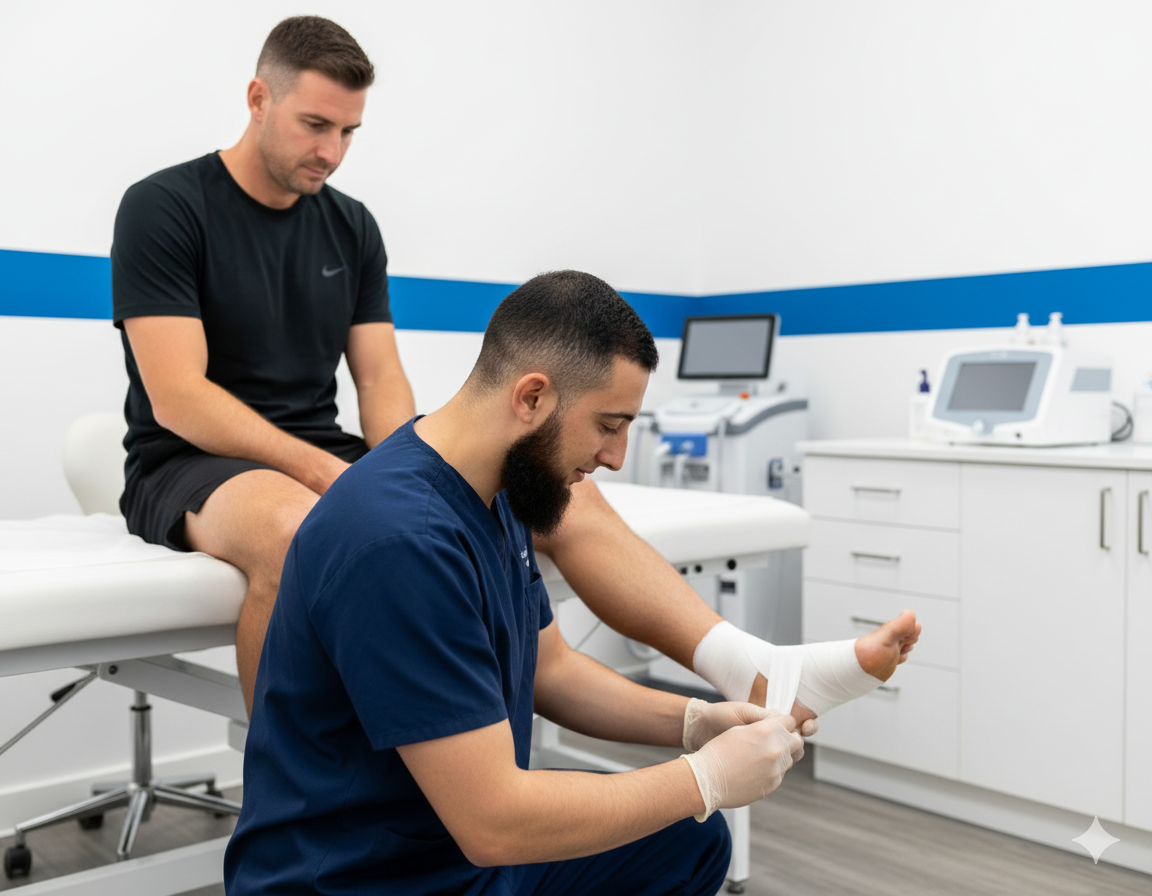
- Joint stiffness supported by foot mobilisations and strapping where appropriate
Not all patients will require dry needling or orthotics. Your podiatrist will explain the potential benefits and limitations of each option and work with you to develop a plan that aligns with your goals and clinical findings.
Clinical Assessment Before Dry Needling
Before any dry needling is considered, a clinical assessment is completed to understand how your symptoms relate to muscle tension, joint loading and overall biomechanics. This helps determine whether dry needling is suitable and how it may fit within your broader treatment plan.
Palpation and trigger point testing
Functional movement assessment
Range of motion testing
Pain pattern mapping
Activity and load review
Dry Needling and Related Treatment Options
Treatment plans are tailored to the individual and may include dry needling alongside other conservative options to help manage pain and support function.
Dry needling sessions (where clinically appropriate)
Soft tissue therapy for muscle release
Stretching programs to support flexibility
Strengthening exercises for long-term support
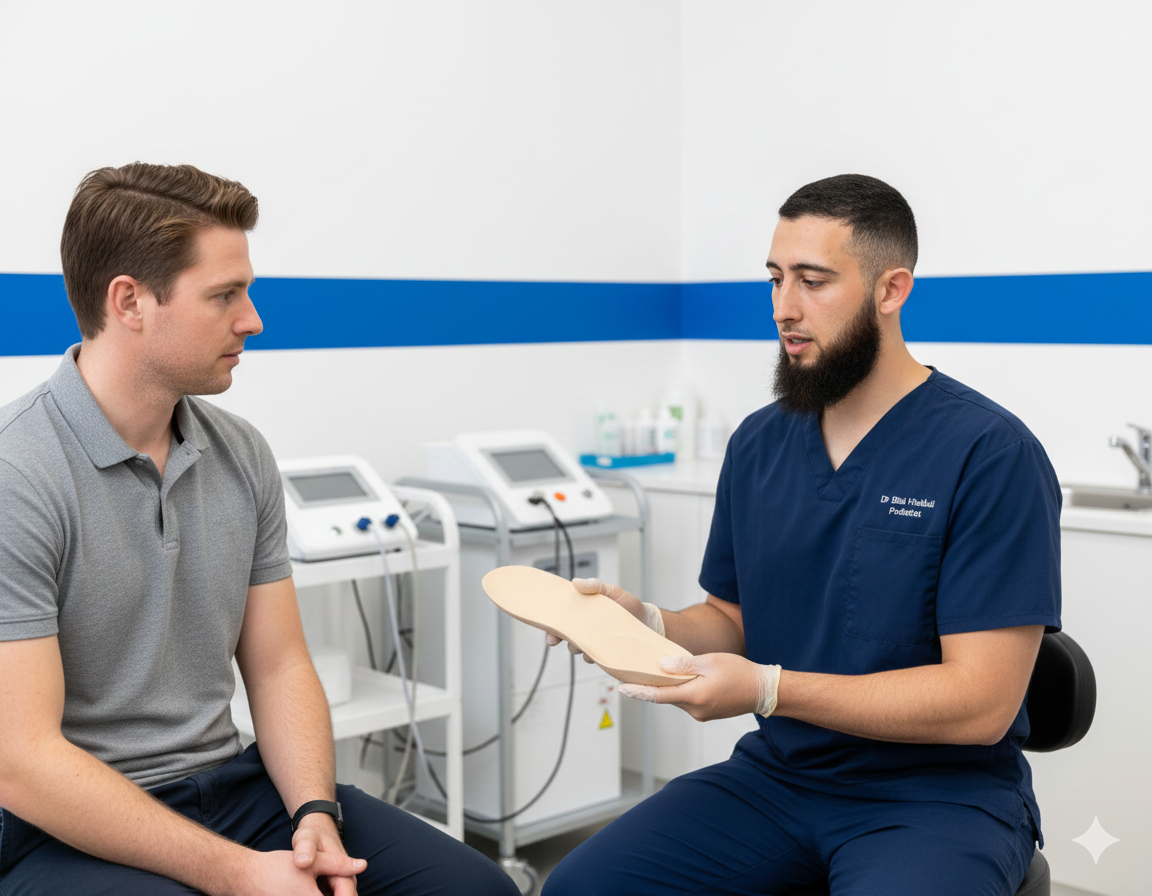
Orthotic therapy to help manage load and alignment
Why Early Review Matters
Muscle tension and trigger points can build over time, contributing to pain, reduced movement and altered walking patterns. Early assessment allows conservative options—such as exercise, footwear changes, orthotic therapy and, where suitable, dry needling—to be discussed before symptoms become more complex.
- Trigger points may spread and involve surrounding muscle groups
- Pain can become persistent and harder to manage
- Movement range may reduce, affecting daily activities
- Compensatory patterns can place extra load on other joints and muscles
- Recovery may take longer when tension has been present for a long time
Early podiatry review in Bankstown and surrounding suburbs can help identify contributing factors and outline options to support your foot and ankle health.
Why Choose Our Bankstown Podiatry Clinic
Experienced Podiatrists
Our podiatrists focus on foot and ankle care and regularly manage muscle-related and biomechanical conditions in the Bankstown community and nearby suburbs such as Condell Park, Padstow, Revesby and Yagoona.
Conservative, Evidence-Informed Care
Treatment options—including dry needling, orthotic therapy, soft tissue techniques and exercise programs—are selected with reference to current clinical guidance and tailored to individual needs.
Patient-Centred Approach
We discuss the potential benefits and limitations of each option, support informed decision-making and work with you to develop a plan that fits your goals and daily activities.