Every year we see a rise in plantar heel pain as the weather warms up. The pattern is familiar: sharp pain under the heel with the first steps in the morning, easing after a few minutes, then returning after a long day on your feet.
Why summer footwear can aggravate heel pain
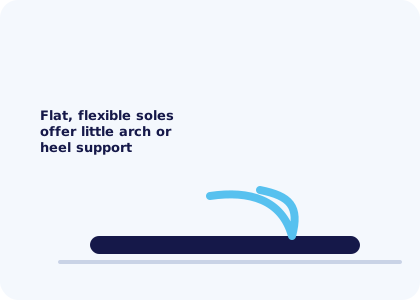
- Flat, thin soles give little cushioning under the heel, so each step loads the heel pad and plantar fascia more.
- No arch support means the arch can flatten more with each step, increasing strain on the plantar fascia.
- Toe gripping. To keep a thong on, your toes grip with every step. This works the small foot muscles and can add to arch and forefoot fatigue.
- Going barefoot on hard floors, tiles and concrete removes cushioning altogether.
- A sudden change. Switching from supportive winter shoes to flat sandals overnight is a big change in load for the feet.
None of this means you can't wear sandals. It means the type of sandal, and how much you wear it, can make a difference if you are prone to heel or arch pain.
What to look for in a summer sandal
- A contoured footbed with some arch shape
- A firm, cushioned heel area
- A back strap or heel strap, so your toes don't need to grip
- A sole that bends at the ball of the foot, not in the middle
- Enough depth to fit an orthotic if you use one
Some sandals are designed with a removable footbed so a slim custom orthotic can be fitted. Others have a built-in contoured footbed. Your podiatrist can suggest which suits your foot.
Why heel pain is worse in the morning
Overnight, the plantar fascia and calf muscles rest in a shortened position. The first steps in the morning stretch them suddenly, which is why pain is often sharpest when you get out of bed and eases after a few minutes of walking. Walking barefoot on hard floors at this time adds to the strain, which is another reason to keep supportive footwear by the bed over summer.
Beach and pool days
Walking on soft sand works the calves and feet much harder than walking on a footpath. If you're prone to heel or Achilles pain, a long beach walk after months in supportive shoes can trigger a flare. Build up beach walks gradually, and choose firmer sand near the water's edge where possible.
Other causes of summer foot pain
- Arch pain from long days in flat sandals
- Pain under the ball of the foot from thin soles on hard surfaces
- Achilles pain from switching to flat footwear, which increases the stretch on the tendon
- Cracked heels, which are more common with open-backed footwear
If heel pain returns every summer, it's worth looking at the underlying factors, such as calf tightness, foot posture and footwear habits, rather than managing each flare as it comes.
Simple habits that may help
- Keep supportive shoes or sandals by the bed so you aren't walking barefoot first thing in the morning.
- Wear thongs for short trips (the beach, the pool) rather than all day.
- Keep up your calf and plantar fascia stretches. Our illustrated plantar fasciitis exercise guide shows how.
- Increase long walks gradually if you're more active over the holidays.
When to see a podiatrist
- Heel pain that has lasted more than 2–3 weeks
- Pain that is changing how you walk
- Swelling, bruising or pain after a specific injury
- Numbness, tingling or burning in the foot
Could orthotics be part of your plan?
If your heel or arch pain flares every summer, a footwear review and orthotic assessment may help identify options that suit your feet and lifestyle.
Orthotics aren't right for everyone. An assessment at our Bankstown clinic looks at your symptoms, foot function and footwear first, so any recommendation is based on your situation. We see patients from Bankstown and surrounding suburbs.
Frequently asked questions
Are thongs bad for your feet?
Not for everyone. For people prone to heel or arch pain, wearing flat thongs all day often aggravates symptoms. Short periods are usually fine.
Can I wear orthotics in sandals?
Some sandals have removable footbeds that allow a slim orthotic. Others have a supportive contoured footbed built in. It depends on the sandal and your foot.
Important information
The information and exercises on this page are general in nature and are intended for educational purposes only. They are not a substitute for an individual assessment, diagnosis or treatment by a registered health practitioner. Not every exercise is suitable for every person. Please only complete these exercises as advised by your podiatrist or another registered health practitioner who has assessed you. Outcomes vary between individuals and no particular result can be guaranteed. If you are unsure whether an exercise is right for you, or your symptoms change or worsen, stop the exercise and seek advice from a health practitioner. In an emergency, call 000.
This article was prepared by Dr Bilal Khelladi, a podiatrist registered with the Podiatry Board of Australia. Dr Khelladi is not a registered medical practitioner. Published October 2026.
References
- Koc TA Jr, et al. Heel Pain – Plantar Fasciitis: Revision 2023. Clinical Practice Guidelines. J Orthop Sports Phys Ther. 2023;53(12):CPG1–CPG39.